
OBD2 vs Magnetic GPS Tracker: How to Choose (2026)
Key Takeaways
-
01OBD2 trackers plug into your car for nonstop hands-free power
-
02Magnetic trackers attach anywhere using a strong hidden magnet
-
03OBD2 trackers read engine data that magnetic trackers cannot access
-
04Magnetic trackers need periodic charging but stay completely out of sight
-
05Pick OBD2 for daily monitoring or magnetic for covert placement
OBD2 vs Magnetic GPS Tracker: How to Choose the Right One
You've decided you need a GPS tracker. Now you're stuck on a different question: do you get one that plugs into the car, or one that just sticks underneath it?
I'm Ryan Horban, a GPS tracking expert with more than 15 years of hands-on experience testing vehicle trackers for parents, fleet owners, and everyday drivers. This exact question comes up in almost every conversation I have with someone buying their first tracker, and the honest answer is that neither type is "better" across the board. Each one solves a different problem.
In this guide, I'll walk you through how OBD2 and magnetic trackers actually work, where each one wins, where each one falls short, and how to match the right device to what you're actually trying to accomplish.
An OBD2 GPS tracker plugs into your car's diagnostic port, draws constant power from the vehicle, and never needs charging, making it the better choice for daily monitoring, teen drivers, and fleet vehicles. A magnetic GPS tracker attaches to the underside of a vehicle with no port needed, making it the better choice for hidden placement, theft recovery, or tracking a vehicle you don't have full access to. If you want visible, always-on tracking with engine data, choose OBD2. If you want a hidden tracker that requires no installation, choose magnetic.

Konnect OBD2 GPS Tracker
World's fastest 3-second real-time car GPS tracker
- Updates every 3 seconds — 20x faster than most trackers
- Plug & Play — Simply plug into your OBD2 port, no tools needed
- Worldwide Tracking — 150+ countries with dependable real-time GPS updates
What Is an OBD2 GPS Tracker?

An OBD2 GPS tracker is a small device that plugs directly into your vehicle's OBD2 port, the same 16-pin port mechanics use to read engine codes. Every car and truck sold in the United States since 1996 has one, usually tucked under the dashboard near the steering column.
Once plugged in, the tracker draws power straight from the vehicle. There's no battery to charge and no wiring to run, and it starts sending location data the moment it's connected. Because it's pulling power from the car itself, it can update your app every few seconds instead of every few minutes.
Because it's wired into the vehicle's diagnostic system, an OBD2 tracker can also pull data a magnetic tracker simply can't reach: engine fault codes, battery voltage, fuel level, and driving behavior like hard braking or rapid acceleration.
What Is a Magnetic GPS Tracker?

A magnetic GPS tracker is a self-contained device with a built-in battery and a strong magnetic mount. You attach it to any metal surface on the vehicle, usually underneath the frame or inside a wheel well, and it starts tracking immediately. No port, no wiring, no app pairing through the dashboard.
Because it isn't plugged into anything, a magnetic tracker runs entirely on its internal battery. Depending on the model and how often it reports location, that battery typically lasts anywhere from a few weeks to a few months before it needs a recharge.
The tradeoff for that battery life is data. A magnetic tracker only knows one thing: where the vehicle is. It has no access to the car's onboard computer, so it can't report engine health, fuel level, or driving behavior the way an OBD2 tracker can.
OBD2 vs Magnetic GPS Tracker: Key Differences
| Feature | OBD2 Tracker | Magnetic Tracker |
|---|---|---|
| Installation | Plug in, under 60 seconds | Attach magnet, no tools needed |
| Power source | Vehicle-powered, no charging | Internal battery, needs recharging |
| Visibility | Visible under the dashboard | Hidden under the vehicle |
| Update speed | Every 3-15 seconds (vehicle-powered) | Every few minutes (battery-saving) |
| Engine data | Yes, fault codes, fuel, battery | No |
| Works with the engine off | Limited, depends on the device | Yes, runs on its own battery |
| Best for | Daily monitoring, teens, fleets | Hidden tracking, theft recovery |
Installation: Plug-In vs Stick-On

An OBD2 tracker takes under a minute to install. Find the OBD port, plug it in, and you're tracking. There's nothing to hide, nothing to wire, and no tools involved.
A magnetic tracker is arguably even faster to attach, since it's just a matter of finding a flat metal surface and pressing the magnet into place. The catch is that placement is critical. A poorly placed magnetic tracker can fall off in a car wash, get knocked loose on rough roads, or lose GPS signal if it's tucked too far under the frame.
Power and Battery Life

This is where the two devices split completely.
An OBD2 tracker never runs out of power as long as it's plugged in, because it draws directly from the vehicle. That means you get frequent updates, sometimes every 3 seconds, without ever thinking about a charge cycle.
A magnetic tracker runs on its own battery, so every update it sends costs battery life. Manufacturers balance this by stretching out update intervals, often to every few minutes instead of every few seconds, to keep the device running for weeks between charges. If you pull the battery and forget to recharge it, the tracker goes dark until you do.
Visibility and Concealment

An OBD2 tracker sits in plain view under the dashboard. Anyone who knows where to look, including a tech-savvy teenager, can find it and unplug it. Most modern OBD2 trackers, including Konnect, send an instant tamper alert the moment the device loses power, so you'll know right away if that happens.
A magnetic tracker is built for the opposite scenario. Mounted underneath the vehicle, it's out of sight during normal use and takes real effort to find. That makes it the stronger option any time concealment matters more than convenience, whether that's theft recovery, monitoring a vehicle you don't control, or backing up an OBD2 tracker with a second, hidden device.
Data and Features: What Each Tracker Can Actually Tell You

Location is the one thing both trackers deliver equally well. Everything past that is where OBD2 pulls ahead.
Because it's wired into the vehicle's computer, an OBD2 tracker can show you speed, trip history, geofence alerts, hard-braking events, and diagnostic codes in one dashboard.
A magnetic tracker gives you location and movement history, and that's usually the extent of it. For anyone who wants a full picture of how a vehicle is being driven, not just where it's been, OBD2 is the more complete tool.
Cost Comparison

Pricing for both tracker types usually falls in a similar range upfront, generally $50 to $130 for the hardware itself, so the real difference shows up in how the service is billed afterward.
OBD2 trackers like the Konnect OBD2 run $99 with a free first year included, then settle into a flat $8.95 a month, while other OBD2 brands on the market typically charge $10 to $25 a month with no free period at all.
Magnetic trackers tend to spread costs differently: some, like SpaceHawk, bundle a full year of service into the upfront device price with no monthly fee attached, while others charge $15 to $30 a month for more frequent updates. The tradeoff to watch for is update frequency tied to price. A cheaper magnetic plan often means location refreshes every few minutes instead of every few seconds, so it's worth comparing the actual update interval at each price point rather than the sticker price alone.
Which One Should You Choose? By Use Case

Tracking a teen driver
Go with OBD2. The constant power means fast updates, and the visible install supports an open, honest conversation about why it's there. See our guide to the Best GPS Tracker for Teenagers to find devices built specifically for monitoring young drivers.
Fleet or work vehicles
Go with OBD2. Engine diagnostics and driving behavior data help you manage maintenance and safety across multiple vehicles from one dashboard. Explore our Best Fleet GPS Tracking Device in 2026 guide for top-rated solutions.
Theft recovery
Go with magnetic. A hidden tracker under the frame is much harder for a thief to find and remove than one sitting under the dashboard.
Rental cars or Turo fleets
OBD2 wins for day-to-day use because of the speed and diagnostic data, though pairing it with a hidden magnetic backup adds a layer of protection if a renter unplugs the primary device. Read our Best OBD GPS Tracker for Rental Cars 2026 guide.
Monitoring a vehicle you don't drive daily
Magnetic makes more sense here, since it doesn't rely on port access and runs independently on its own battery.
Wanting both speed and a backup
Many owners run an OBD2 tracker as the primary device and a magnetic tracker as a hidden backup, so if one gets disconnected, the other keeps reporting.
Is It Legal to Use a GPS Tracker on Your Vehicle?

Yes, in all 50 states, it's legal to install a GPS tracker, OBD2 or magnetic, on a vehicle you own. Ownership is what matters legally, not which type of tracker you choose. Tracking becomes illegal when someone installs a device on a vehicle they don't own without the owner's consent, or uses tracking to harass or stalk another person. If you're researching state-specific regulations, read our GPS Tracking Laws in California 2026 guide.
For family use, being upfront with the people in your household about a tracker, rather than hiding it, tends to build more trust and avoid conflict down the road.
Final Verdict
There's no single winner between OBD2 and magnetic GPS trackers, because they're built for different jobs. OBD2 trackers give you speed, constant power, and a full picture of vehicle health, which makes them the stronger everyday choice for teens, fleets, and daily drivers. Magnetic trackers give up some of that speed and data in exchange for a hidden, self-powered device that works anywhere a port isn't available or desired.
If you're tracking a vehicle you use every day and want the fastest, most complete picture of what's happening with it, an OBD2 tracker like the Konnect OBD2 is the right call. If concealment or portability matters more than update speed, a magnetic tracker fits that job better. Some owners end up running both, one for daily visibility and one as a hidden backup, and that combination covers nearly every situation a vehicle owner runs into.
Sources
- GPS.gov - GPS Accuracy and How GPS Works
- National Conference of State Legislatures - Location Tracking Device State Statutes
- Federal Trade Commission - Vehicle GPS Tracking and Privacy
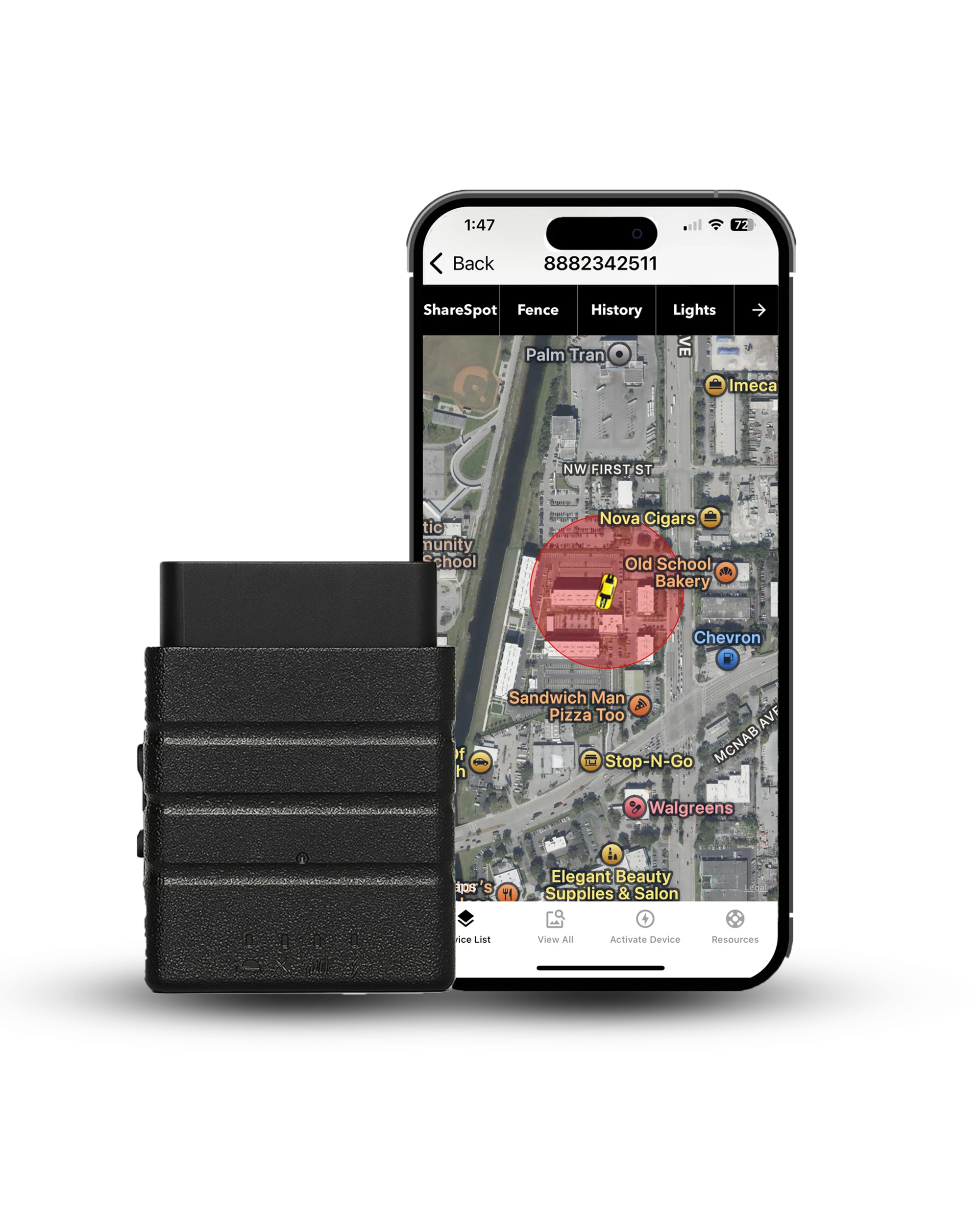
Constant power, 3-second updates, full engine data
Konnect OBD2 plugs in once and never needs charging — speed, trip history, geofence alerts, and diagnostics in one dashboard, with a free first year of service.
About the Author

 Buy on Amazon