Best Fleet GPS Tracking Device in 2026 (Tested & Ranked)

Published date: Last modified on:

By: Ryan Horban

Best Fleet GPS Tracking Device in 2026 (Tested & Ranked for US Fleets)

Welcome to my guide on the best fleet GPS tracking device for 2026, you’re probably trying to tighten control over your fleet vehicles without wasting money on the wrong system.

I’ve tested fleet tracking devices across construction sites, rental fleets, service vans, and delivery trucks for over 15 years. I can tell you, most GPS fleet tracking systems look good in a demo, but only a few hold up in real operations. After evaluating dozens of GPS fleet tracking systems based on real-time updates, driver behavior monitoring, maintenance tracking, hardware reliability, and reporting depth, these five earned their place at the top.

In this guide, I’ve ranked the top 5 GPS fleet tracking devices based on real-world testing, hardware reliability, reporting depth, and operational impact. 

By the end, you’ll know exactly which system fits your fleet size, budget, and goals and which ones to avoid. Choosing one of the right fleet GPS tracking devices can reduce fuel costs, cut idle time, improve driver safety, and give you clear control over your vehicles location and route history.

Ready to tighten up your fleet and stop guessing? Let’s break down which one fits your fleet and why.

How We Tested and Picked These Fleet GPS Tracking Systems

I’ve tested fleet GPS tracking devices for over 15 years across construction crews, delivery trucks, rental fleets, and equipment operations. I don’t rank systems based on marketing claims. I evaluate how they perform in real fleet environments.

How We Tested and Picked These Fleet GPS Tracking Systems

For this guide, Konnect GPS arranged independent testing for each product. We purchased or secured access to every fleet GPS tracking device directly. We installed the hardware, activated the software, and ran these systems across real vehicles and operational scenarios. We evaluated realtime tracking accuracy, driver behavior monitoring, reporting depth, fuel visibility, installation complexity, and pricing structure.

Here’s exactly how I selected the best fleet GPS tracking systems on this list.

  • Real-World Installation & Hardware Performance: Measured installation time, device security, battery reliability for portable GPS trackers, and LTE/4G connectivity stability. Systems that caused downtime or complicated setup dropped in ranking.
  • Realtime GPS Tracking Accuracy: Tested update frequency, mapping precision, route history clarity, geofencing alert reliability, and realtime data consistency during normal fleet operations.
  • Driver Behavior & Fleet Safety Monitoring: Reviewed speed alerts, harsh braking detection, driver scorecard accuracy, dash cam integrations, and how clearly systems supported monitoring driver behavior.
  • Fuel, Idle Time & Maintenance Tracking: Evaluated idle time reporting, fuel efficiency visibility, route optimization support, and automated maintenance alerts tied to vehicle usage.
  • Reporting Depth & Software Usability: Assessed dashboard clarity, custom reports flexibility, scalability for commercial fleets, and overall usability for fleet managers.
  • Pricing Structure & Contract Transparency: Compared upfront hardware costs, monthly data plan pricing, contract requirements, and long-term operational value across different fleet sizes.

Each system on this list solves a different problem. Some focus on enterprise compliance. Others focus on driver safety. A few focus purely on asset protection. But one device delivered the strongest balance of speed, simplicity, and operational value for most fleet owners.

Let’s start with that one.

1. Konnect OBD2 GPS: Best Overall Fleet GPS Tracking Device

Konnect OBD2 GPS: Best Overall Fleet GPS Tracking Device
Buy on Amazon

 Check Price

Buy From Here & Get Additional $10 OFF

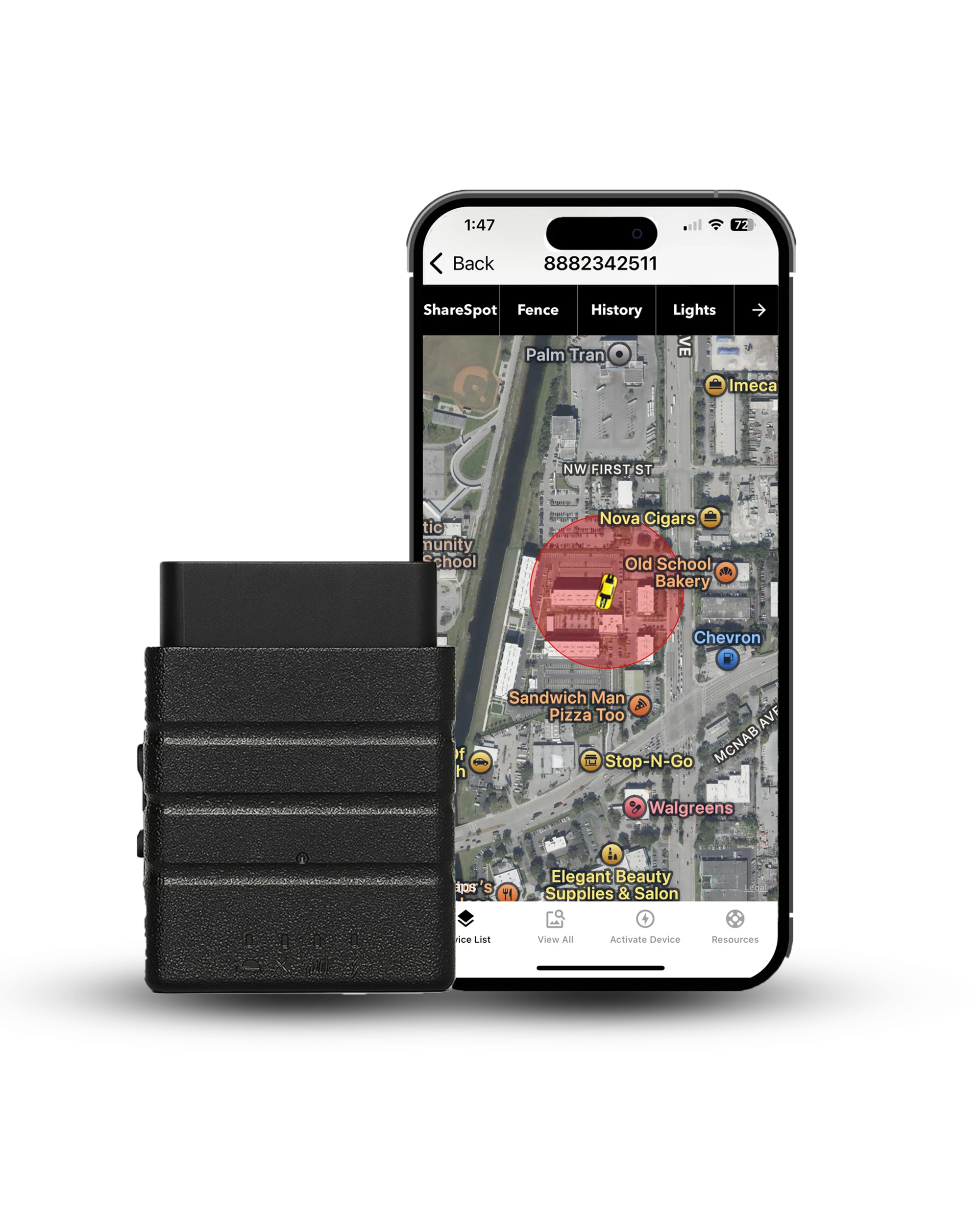
Konnect OBD2 GPS is a pure realtime OBD2 GPS tracker for cars designed for small to mid-sized commercial fleets  and individuals who need continuous vehicle visibility without complex installation. Konnect OBD GPS plugs directly into the vehicle’s OBD2 port and immediately begins delivering 3-second location updates over LTE 4G networks. There is no need for charging, wiring, or any professional setup required.

This device focuses on core vehicle monitoring like realtime location, speed alerts, geofencing notifications, and route history playback. And konnect does not attempt to be a full enterprise fleet management platform. Instead, it delivers fast, reliable vehicle tracking in a clean and practical format.

Konnect earns the top spot for small to mid-sized fleets, because it handles the essentials without adding complexity you won’t use.

Key Features

  • Plug-and-Play OBD2 Installation: Installs in under a minute by plugging directly into the vehicle’s OBD2 port with no wiring, tools, or professional setup required.
  • 3-Second Realtime GPS Tracking: Delivers continuous location updates every three seconds using LTE 4G cellular connectivity for accurate, near-live vehicle monitoring.
  • Driver Behavior Visibility: Tracks speeding, risky turns, acceleration patterns or off-limits to improve accountability and reduce unnecessary fuel consumption.
  • Route History & Trip Playback: Stores detailed trip data with historical playback, allowing fleet managers to review stops, routes, and driving patterns clearly.
  • Geofencing & Movement Alerts: Enables virtual boundaries with instant notifications when vehicles move after hours or leave approved operational zones.
  • Affordable Unlimited Data Plan: Offers a straightforward $8.95 monthly plan with unlimited realtime updates and no long-term contract commitments.
  • Lifetime Warranty & US Support: Backed by a lifetime hardware warranty and USA-based technical support team available for business fleet assistance.

Pros

  • Installs instantly without disrupting operations or scheduling vehicle downtime for professional installation.
  • Provides true three-second realtime tracking that improves route oversight and rapid response during unexpected vehicle movement.
  • Keeps monthly costs predictable with a simple, affordable data plan free of complex contract structures.
  • Clean, easy-to-use dashboard makes fleet manager oversight practical instead of overwhelming.
  • Strong LTE coverage supports consistent tracking performance across most regions in the United States.

Cons

  • Requires an active monthly GPS data plan for real-time tracking functionality and ongoing cellular connectivity.
  • OBD2 device remains visible inside the vehicle in OBD2 port and is not designed for hidden or covert installation.

I installed Konnect across a mixed fleet of service vans and light trucks. Setup took less than a minute per vehicle. We activated each tracker by scanning the QR code and plugging it into the OBD2 port. 

Realtime performance remained consistent throughout testing. The 3-second updates provided near-live tracking on Google Maps, which made route reviews and idle monitoring far more accurate than slower-update systems I’ve tested. Speed alerts and geofencing worked as expected. We set after-hours boundaries and immediately received notifications when a vehicle moved outside approved zones.

What impressed me most was how focused the platform felt. Konnect OBD2 GPS doesn’t overload you with unnecessary modules. We were seeing location updates, route history, and speed data clearly during testing.For many fleet managers, that level of simplicity is exactly what makes it effective.

Compared to larger fleet tracking systems, Konnect avoids enterprise-level reporting complexity. If your priority is realtime tracking, driver accountability, and affordable pricing, it handles that well.

Pick Konnect OBD2 GPS if you want a straightforward realtime GPS vehicle tracker with 3-second updates, simple installation, and dependable LTE coverage.

2. Samsara VG Series: Best for Large Commercial Fleets

Samsara VG Series: Best for Large Commercial Fleets

Samsara VG Series operates as a full enterprise fleet tracking system built for large commercial fleets that need compliance support, structured reporting, and centralized operational control. This platform uses hardwired GPS devices paired with LTE connectivity and AI dash cam integration. Samsar tracks vehicle location, driving behaviors, fuel efficiency trends, and compliance data inside one centralized management dashboard.

Samsara typically works under contract-based agreements rather than single-device purchases. That structure fits companies managing dozens or hundreds of vehicles where long-term deployment makes operational sense. And it does not target small fleets looking for flexible month-to-month tracking.

I recommend this system for fleets that need scale, regulatory support, and formal safety oversight. If you manage a large commercial operation and plan to grow, the contract model aligns with that level of commitment.

Key Features

  • Hardwired GPS Installation: Installs directly into the vehicle’s electrical system for permanent, tamper-resistant fleet tracking across commercial vehicles and heavy-duty trucks.
  • Advanced Realtime Fleet Tracking: Delivers continuous vehicle location updates with strong LTE connectivity and centralized fleet visibility dashboards.
  • AI Dash Cam Integration: Combines forward-facing and driver-facing cameras with realtime alerts for unsafe driving and incident documentation.
  • Driver Behavior Monitoring Tools: Tracks harsh braking, speeding, rapid acceleration, and distracted driving with detailed performance reporting.
  • Compliance & ELD Integration: Supports electronic logging device compliance and regulatory reporting for commercial fleet operations.
  • Geofencing & Asset Monitoring: Enables zone-based alerts, trailer tracking integration, and oversight of vehicle equipment across large territories.
  • Scalable Fleet Management Platform: Supports growing commercial fleets with centralized management, real-time control and structured operational reporting.

Pros

  • Delivers enterprise-level fleet tracking with advanced reporting tools and structured compliance support for regulated commercial fleet operations.
  • Hardwired GPS installation increases device security and reduces tampering or unauthorized removal in commercial fleet environments.
  • Advanced analytics and detailed reports improve route optimization, fuel monitoring, and long-term operational cost control.
  • Scales effectively for fleets managing dozens or hundreds of vehicles without sacrificing centralized management visibility.
  • Robust geofencing controls enhance operational oversight across multiple territories, yards, and regional service zones.

Cons

  • Higher monthly subscription costs compared to small-fleet GPS tracking devices designed for simpler operational needs.
  • Requires professional installation for hardwired setup, increasing initial deployment time and installation expenses.
  • Typically structured around contract-based agreements rather than one-off device purchases for small businesses.

We evaluated Samsara within a regional logistics fleet operating over 120 trucks. Installation required professional wiring, which increased setup time but secured devices permanently. Realtime tracking remained consistent across all vehicles. The AI dash cam integration made a noticeable difference. When harsh braking events triggered, we saw review footage immediately. That level of documentation can change driver behavior quickly.

Fuel efficiency reporting and route optimization tools were great and deeper analytics than smaller fleet tracking systems. However, smaller teams would likely find the interface heavier than necessary.

What I liked most during testing was scalability. As more vehicles were added, reporting and management controls remained organized instead of chaotic. For large commercial fleets requiring compliance tracking, centralized reporting, and driver safety documentation, Samsara fits that role effectively.

Choose Samsara VG Series if you manage a large commercial fleet and require compliance tracking, AI dash cam integration, and structured enterprise reporting.

3. Azuga Fleet GPS: Best for Driver Safety & Accountability

Azuga Fleet GPS: Best for Driver Safety & Accountability

Azuga Fleet GPS focuses heavily on driver safety, accountability, and behavior-based performance improvement. Unlike basic fleet GPS tracking devices that only show location updates, Azuga emphasizes driver behavior monitoring through structured scorecards, safety coaching tools, and performance analytics. Azuga supports both OBD2 and hardwired hardware options, making it adaptable for different fleet vehicles.

The platform operates under subscription-based agreements and targets fleets committed to long-term safety management. Azuga does not position itself as a simple one-time hardware purchase. Instead, it delivers structured driver oversight through ongoing software and reporting tools. For fleet managers prioritizing driver safety, liability reduction, and performance tracking, Azuga fills that role directly.

Key Features

  • Driver Scorecard System: Ranks drivers using speeding, harsh braking, acceleration, and overall driving behavior data to improve accountability.
  • Realtime GPS Fleet Tracking: Provides consistent vehicle location updates with centralized dashboard visibility for fleet managers.
  • Safety Rewards & Coaching Tools: Includes gamification features that encourage improving driver performance through measurable behavior tracking.
  • Fuel Monitoring & Idle Reporting: Tracks idle time, route patterns, and fuel usage trends to reduce operational waste.
  • Maintenance Tracking Alerts: Sends automated maintenance reminders based on mileage and engine data thresholds.
  • Custom Reports & Analytics: Generates detailed reports covering driver performance, fleet safety trends, and route optimization insights.

Pros

  • Strong driver behavior monitoring tools actively track speeding, harsh braking, and acceleration patterns to improve fleet safety and reduce liability exposure.
  • Driver scorecard system ranks performance across vehicles, creating measurable accountability and encouraging consistent driving habit improvements.
  • Flexible hardware options support both OBD2 plug-and-play installation and hardwired deployments for various fleet structures.
  • Detailed reporting generates actionable insights that help fleet managers identify safety trends and improve driver performance.
  • Fuel usage and idle time tracking help reduce fuel waste and control long-term operational costs.
  • Built-in coaching tools allow fleet managers to guide drivers using objective performance data instead of assumptions.

Cons

  • Requires subscription-based contract agreements instead of simple month-to-month single-device purchasing flexibility.
  • Monthly pricing runs higher than basic plug-and-play GPS tracking devices designed for minimal functionality.
  • Interface depth may feel excessive for fleets that only require simple realtime location tracking.

We installed Azuga Hardwired GPS within a regional service fleet where speeding complaints and harsh braking incidents were increasing. Installation was plug-n-play, so setups was straight forward. The driver scorecard system immediately changed conversations. Instead of vague discussions about unsafe driving, managers reviewed measurable performance data. Drivers saw their rankings and definitely this can shift the behavior.

Fuel use dropped once drivers could see their idle time clearly. The coaching tools helped managers correct bad habits without arguments. The data made the conversations simple and direct. What impressed me most was the structured accountability system. Azuga tracks driving habits in detail. For fleets serious about improving driver safety and reducing risk exposure, that focus delivers measurable results.

Choose Azuga Fleet GPS if your priority is improving driver behavior, strengthening fleet safety, and reducing liability through measurable performance tracking.

4. Verizon Connect Reveal: Best All-In-One Fleet Management System

Verizon Connect Reveal: Best All-In-One Fleet Management System

Verizon Connect Reveal functions as a full fleet management system rather than a basic GPS tracker. Verizon combines realtime vehicle tracking, route optimization, maintenance tracking, fuel monitoring, and detailed reporting inside one centralized platform. Fleet managers gain operational visibility beyond simple location updates.

The platform operates under subscription-based agreements and targets businesses managing structured fleet operations. Verizon does not cater to one-off device purchases or casual tracking needs. For companies seeking an all-in-one fleet tracking solution that integrates routing, maintenance, and performance reporting, Verizon Connect fits that operational model.

Key Features

  • Realtime GPS Fleet Tracking: Provides continuous vehicle location updates with centralized dashboard visibility and route history playback.
  • Route Optimization Tools: Analyzes driving patterns and dispatch routes to reduce fuel costs and improve daily operational efficiency.
  • Maintenance Tracking & Alerts: Monitors mileage and service intervals to reduce unexpected breakdowns and maintenance costs.
  • Fuel Usage & Idle Reporting: Tracks fuel consumption trends and idle time across fleet vehicles for cost control insights.
  • Customizable Reporting Dashboard: Generates detailed reports covering driver performance, vehicle usage, and operational productivity metrics.
  • Geofencing & Job Tracking: Enables zone-based alerts and job site verification to improve fleet accountability.

Pros

  • Combines GPS fleet tracking, route optimization, maintenance tracking, and fuel management tools inside one centralized operational platform.
  • Strong reporting depth supports informed operational decision-making across expanding commercial fleets.
  • Route optimization tools actively reduce fuel costs and improve daily dispatch coordination efficiency.
  • Flexible hardware options accommodate light-duty vehicles, heavy trucks, and mixed fleet structures.
  • Automated maintenance alerts increase vehicle uptime and reduce unexpected repair expenses.
  • Backed by established telecom infrastructure that supports reliable nationwide connectivity coverage.

Cons

  • Contract-based pricing structure limits flexibility for very small fleets seeking month-to-month options.
  • Dashboard complexity requires onboarding time and structured training for new fleet managers.
  • Monthly subscription cost exceeds basic plug-and-play GPS tracking devices with limited features.
  • Initial deployment may require structured onboarding and implementation assistance.

I reviewed Verizon Connect within a mid-sized delivery fleet that struggled with route overlap and fuel inefficiency. Installation required structured onboarding, but once active, the routing tools made an immediate difference. Dispatch managers began using route optimization features to reduce redundant mileage. Fuel reporting data exposed inefficiencies in driver routes that previously went unnoticed.

Maintenance tracking logs improved scheduling consistency, reducing last-minute service disruptions. The dashboard required some learning time, but once understood, it provided strong operational oversight. What I loved most was integration depth. This system doesn’t focus on one feature. It connects fleet tracking, routing, fuel management, and reporting into one structured platform.

Choose Verizon Connect Reveal if you want fleet tracking, route optimization, maintenance tracking, and fuel monitoring combined into one structured system.

5. SpaceHawk Hidden GPS Tracker: Best for Covert Asset Tracking

SpaceHawk Hidden GPS Tracker: Best for Covert Asset Tracking

 Buy On Amazon

SpaceHawk Hidden GPS Tracker focuses on covert asset and trailer tracking rather than full fleet management software. This compact GPS tracker uses 4G LTE connectivity and delivers realtime location updates as fast as every three seconds. Under strong signal conditions, it maintains accuracy within approximately six feet. 

The built-in magnet and waterproof housing allow discreet placement inside or underneath vehicles, trailers, or equipment. The internal rechargeable battery supports flexible deployment, while the optional hardwire kit provides continuous power for long-term vehicle tracking. SpaceHawk operates on month-to-month subscription plans and does not require long-term contracts.

I recommend this device for fleets concerned about theft prevention, trailer tracking, and protecting high-value assets. SpaceHawk hidden GPS tracker complements fleet tracking systems but does not replace enterprise fleet management platforms.

Key Features

  • Compact Magnetic Design: Ultra-compact hidden GPS tracker with high-strength magnet for discreet attachment under vehicles, trailers, or equipment.
  • Battery-Powered Operation: Rechargeable internal battery supports flexible deployment without wiring or permanent installation.
  • 3-Second Realtime Tracking: Delivers location updates from every 3 seconds up to adjustable intervals depending on battery settings.
  • ~6-Foot Location Accuracy: Provides precise GPS positioning with high-sensitivity antenna and optimized signal performance.
  • 4G LTE Global Connectivity: Operates across LTE networks in over 150 countries using integrated SIM support.
  • Waterproof Rugged Housing: Sealed weather-resistant casing protects device during outdoor placement on vehicles or construction equipment.
  • Geofencing & Instant Alerts: Sends immediate movement notifications when tracked assets enter or leave defined zones.
  • Optional Hardwire Kit: Allows continuous power installation for long-term covert vehicle tracking without battery recharge cycles.

Pros

  • Compact size and magnetic mount allow discreet placement without visible hardware inside vehicles.
  • Delivers fast three-second realtime updates for reliable covert tracking visibility.
  • Accurate within approximately six feet under strong cellular signal conditions.
  • Month-to-month subscription plans provide flexibility without long-term contract obligations.
  • Waterproof construction supports outdoor trailer and equipment tracking deployments.

Cons

  • Requires active monthly GPS data subscription for realtime tracking functionality.
  • Battery-powered mode requires periodic recharging unless hardwired to vehicle power.
  • Does not provide advanced fleet management dashboards or structured compliance reporting tools.

We mounted SpaceHawk on a construction trailer that frequently remained parked overnight at job sites. Installation took seconds. The magnetic mount is secured firmly underneath the frame. Realtime tracking performed reliably in urban environments. Movement alerts triggered immediately when the trailer shifted outside approved geofenced zones. 

And battery life lasted several weeks under normal update intervals. For long-term installations, I recommend the hardwire kit to avoid charging cycles.

What impressed me most was discretion. The device remained completely hidden and undetectable during routine inspections. For covert tracking scenarios, that needs more than dashboard complexity. For trailer tracking and asset protection, SpaceHawk delivers focused performance without enterprise software overhead.

Choose SpaceHawk Hidden GPS Tracker if your priority is covert asset protection, trailer tracking, and theft prevention.

How Do You Choose the Right Fleet GPS Tracking Device?

The right fleet GPS tracking device depends on your fleet size, vehicle type, and operational goals.

How Do You Choose the Right Fleet GPS Tracking Device?

I’ve worked with small plumbing companies running six vans and national commercial fleets managing hundreds of vehicles. Both needed GPS fleet tracking but they didn’t need the same fleet tracking system. One would have overpaid. The other would have outgrown a basic setup in months.

Before you compare brands, step back. You need to evaluate your operation first and here’s what I tell every fleet manager to look at:

  1. Fleet size and growth plans
  2. Tracker type (OBD2, hardwired, or battery powered)
  3. Realtime update speed and tracking accuracy
  4. Driver behavior monitoring and safety tools
  5. Fuel efficiency and maintenance tracking
  6. Reporting depth and fleet data visibility

Miss one of these, and you’ll feel it later, usually in higher fuel costs or operational headaches. Now let’s walk through each one so you can choose the right GPS vehicle tracking system with confidence.

1. Fleet Size

Fleet size determines which fleet GPS tracking device will actually fit your operation. In the context of choosing the best fleet tracking system, size affects your hardware options, reporting depth, driver behavior monitoring needs, and how much realtime data you’ll actually use. 

Fleet Size

I’ve seen small teams overbuy and large commercial fleets underbuy. Both mistakes show up in wasted money. Here’s how to think about it:

  • If You Run 5-15 Fleet Vehicles: Choose easy install hardware (OBD2 works well), solid realtime GPS tracking, basic driver behavior monitoring, maintenance alerts, and clear reporting. You need visibility into vehicles location, idle time, and route history without any heavy enterprise dashboards.
  • If You Operate 50+ Vehicles: Look at hardwired GPS trackers, advanced tracking geofencing, custom reports, driver scorecard systems, and centralized fleet tracking software. Larger fleets require structured management, real-time oversight and stronger operational control.

I’ve watched fleets double in size and struggle because their original GPS fleet tracking system couldn’t scale. So, think 12-24 months ahead. The right system should support where your fleet is going, without forcing a replacement when you grow.

2. Hardware or Tracker Type

Tracker type refers to the physical hardware used in your fleet GPS tracking like OBD2, hardwired GPS, or battery powered units.

This decision affects installation time, theft resistance, data access, and long-term reliability. I’ve seen fleet managers rush this step and end up reinstalling devices months later because the hardware didn’t match their operation.

Let’s simplify it.

  • OBD2 Devices: Plug directly into the vehicle port. Fast install without any downtime. Ideal for light commercial fleet vehicles, service vans, and small to mid-sized teams that want realtime GPS tracking and engine data without complex wiring.
  • Hardwired GPS Trackers: Installed directly into the vehicle’s electrical system. Harder to tamper with and better suited for larger commercial fleets, long-term truck tracking, and higher-value vehicles where permanence is needed.
  • Battery Powered Trackers: Portable GPS trackers designed for trailer & equipment tracker setups and asset tracking. Strong option when you’re protecting trailers, vehicle equipment, or remote assets.
Hardware or Tracker Type

Now here’s the part most people skip. If you’re running daily service vehicles or delivery trucks, OBD2 usually makes sense. If you manage high-value trucks or long-haul assets, hardwired GPS gives you more security. 

But if the flexibility and theft risk is your biggest concern especially with trailers, battery powered units are the safer move. Choose the hardware based on how your fleet actually operates without thinking about which one is the easiest to install. The right tracker type protects your vehicles, supports reliable realtime tracking, and avoids costly reinstallation later.

👉 Before you commit, read our full breakdown: Portable vs OBD vs Wired GPS Tracker (2026 Buyer’s Guide). One wrong hardware choice can cost you more than the tracker itself.

3. Realtime Updates

Realtime updates refer to how often your GPS vehicle tracker refreshes vehicle location and route history. In fleet GPS tracking, speed is operational control. When location updates lag, vehicle tracking turns into guesswork. I’ve worked theft cases where a 60-second delay made recovery harder than it needed to be. During route deviations or unauthorized stops, every second counts.

Fast, reliable realtime tracking keeps you proactive. Slow updates force you to react after the problem has already happened.

When you evaluate realtime GPS tracking, focus on update frequency, data reliability, and mapping accuracy. Under 10-second refresh intervals are strong for most fleet vehicles. You also want consistent realtime data transmission and clean route history logs that show exactly where the vehicle went.

4. Driver Behavior Monitoring

Driver behavior monitoring in a fleet GPS tracking device tracks how your drivers operate fleet vehicles like speeding, harsh braking, rapid acceleration, and other unsafe driving patterns.

Driver Behavior Monitoring

For fleet tracking this feature directly impacts fuel efficiency, maintenance costs, and fleet safety. I’ve seen fuel costs drop simply because drivers knew their driving behaviors were visible. When performance is measured, habits change. And that’s the real-world fleet management.

If reducing fuel waste, lowering liability, and improving driver safety are requirements to you, this feature should not be optional. When comparing systems, look for:

  • Driver scorecard systems that rank drivers based on speeding, harsh braking, and overall driving behaviors so you can clearly identify who needs coaching.
  • Real-time harsh braking and speeding alerts that notify you immediately when unsafe driving happens, not hours later in a report.
  • Clear driver behavior monitoring reports that break down trends over time, helping you reduce fuel costs and improve safety across the fleet.
  • Dash cam integration for larger commercial fleets that provides visual evidence during incidents and protects your company from false claims.

Choose a fleet tracking system that makes driver accountability clear and easy to manage. The right setup improves safety, reduces operational costs, and protects your business long term.

5. Fuel & Maintenance Control

Fuel and maintenance control refers to how a fleet GPS tracking system helps you to lower fuel costs and manage vehicle maintenance before problems turn expensive. Fuel waste usually hides in idle time, inefficient routes, and aggressive driving behaviors. I’ve reviewed fleets where drivers idled 30 minutes a day without realizing it. Multiply that across 20 vehicles and your fuel costs climb fast. A good fleet tracking system exposes that immediately.

Maintenance is just as important. Realtime data tied to engine diagnostics allows you to track service intervals, receive maintenance alerts, and prevent breakdowns. Preventive maintenance always costs less than roadside repairs and downtime.

When comparing systems, make sure the platform tracks idle time accurately, provides clear fuel efficiency reporting, logs route history for route optimization review, and includes reliable maintenance tracking with automatic alerts. The right setup lowers operational costs quietly in the background and without you chasing problems.

6. Fleet Data & Reporting

Fleet data and reporting determine how clearly you can see what’s happening across your fleet in real time. Every fleet GPS tracking system collects data. The difference is how usable that data is. 

Fleet Data & Reporting

I’ve seen platforms bury fleet managers in reports they never open. The best fleet tracking software gives you clear visibility into vehicles location, driver behavior, fuel trends, and maintenance tracking without making you dig for it. When evaluating reporting features, focus on:

  • Clear dashboards that show realtime location updates, route history, idle time, and driver activity without clutter.
  • Custom reports that let you filter by vehicle, driver, date range, or job type so you can make decisions based on actual operational patterns.
  • Tracking geofencing tools that alert you when vehicles leave approved zones or enter restricted areas.
  • Centralized fleet tracking software access that allows fleet managers and supervisors to view data across all vehicles in one place.
  • Management realtime visibility so you can respond immediately instead of reviewing problems after the shift ends.

Data only improves operations if it’s clear, actionable, and easy to interpret. But if the reporting feels confusing during a demo, it won’t get better after installation.

Choosing the best fleet GPS tracking device comes down to aligning fleet size, tracker type, realtime tracking performance, and reporting tools with how your operation actually runs. Get that alignment right, and you’ll reduce fuel costs, improve driver safety, lower labor costs and gain tighter control over daily operations. Get it wrong, and inefficiencies show up quickly, in higher expenses, missed issues, and operational frustration.

Final Thoughts

That was a lot to cover. Let’s simplify it.

Go with Konnect OBD2 GPS, if you want the best balance of realtime tracking speed, easy installation, and predictable monthly cost. Konnect delivers 3-second updates, clear visibility, and simple setup without enterprise complexity. For most small to mid-sized fleets, this setup makes operational sense.

But if you manage a large commercial fleet and require compliance tools and AI dash cam integration, choose Samsara VG Series. And if driver safety and accountability sit at the top of your priority list, Azuga Fleet GPS gives you structured driver scorecards and coaching tools. If you want routing, maintenance tracking, fuel monitoring, and GPS fleet tracking inside one system, Verizon Connect Reveal offers that all-in-one operational control. And if theft prevention, trailer tracking, or covert asset protection concerns you most, SpaceHawk Hidden GPS Tracker gives you discreet, accurate monitoring without long-term contracts.

A single fleet tracking device can not work for everyone. The right choice depends on your fleet size, operational goals, and how deeply you want to monitor driver behavior and operational costs.

Now here’s what I recommend.

Pick the system that aligns with your fleet structure today and where you expect it to grow in the next 12-24 months. Install it properly and set up your geofencing. Then activate driver behavior monitoring.

Then take one more important step.

👉 Read our guide: “How to Set Up Driver Behavior Alerts for Speeding & Idling.

Real fuel savings and safety improvements start when you configure your system correctly. A fleet GPS tracking device only delivers results when you use its tools properly.

So, choose wisely. Set it up properly and then let the data work for you.

Best Fleet GPS Tracking System
Buy on Amazon

 Check Price

Buy From Here & Get Additional $10 OFF

Author Disclosure

Written by Ryan Horban, GPS Tracking Expert with 15+ Years of Real-World Fleet Experience

For more than 15 years, I’ve worked hands-on with fleet GPS tracking systems across construction crews, delivery trucks, rental vehicles, trailers, and commercial fleet operations. I’ve helped fleet managers reduce fuel costs, improve driver safety, monitor vehicle location in realtime, and protect high-value assets from theft.

I install the hardware, configure the software, test realtime updates, and evaluate driver behavior monitoring in real operating conditions. I don’t rely on spec sheets, I evaluate how these systems perform during actual fleet use.

This guide reflects real-world testing, independent product evaluation, and operational experience so you can choose a fleet GPS tracking device that delivers reliable results when your business depends on it.

👉 Connect with me on LinkedIn →
🌐 Visit: https://www.ryanhorban.net

Frequently Asked Questions

What is the best fleet GPS tracking device for small businesses?

The best fleet GPS tracking device for small businesses in 2026 is Konnect OBD2 GPS. It delivers 3-second realtime tracking, speed alerts, geofencing notifications, and route history visibility at a cost that fits small to mid-sized fleets. Konnect provides immediate operational control without long-term contracts or complex enterprise software. 

With its $8.95 monthly unlimited data plan and plug-and-play OBD2 installation, fleet managers gain fast deployment and clear visibility across vehicles from both desktop and mobile devices.

How much does a fleet GPS tracking system cost per month?

The cost of a fleet GPS tracking system per month typically ranges from $15 to $250 or more per vehicle. Here are some key points:

  • Entry-level plans: Around $15-$20 per vehicle per month, covering basic location tracking.
  • Mid-range plans: Commonly between $25-$45 per vehicle per month, including richer reporting and features like geofencing.
  • Premium plans: Starting at $50 or more per vehicle per month, often for advanced analytics and AI-powered features.
  • Average cost: Most systems average around $25 to $45 per vehicle per month.

These costs can vary based on the specific features and services required for your fleet management needs.

Can fleet GPS tracking reduce fuel costs?

Yes, fleet GPS tracking can significantly reduce fuel costs. By monitoring fuel consumption, detecting fuel theft, identifying excessive idling, and optimizing routes, fleet managers can achieve measurable savings. For instance, fleets using GPS and telematics systems have reported fuel cost savings of up to 20%. This reduction is due to real-time visibility, which helps minimize idle time and unnecessary fuel usage. 

Additionally, GPS tracking can improve driver behavior, leading to better fuel economy and reduced maintenance costs.

Do fleet GPS tracking devices require professional installation?

Fleet GPS tracking devices do not always require professional installation, as it depends on the type of device chosen. Plug-and-play (OBD-II port) trackers are easily installed by users in minutes, whereas hardwired devices, which are more secure and tamper-proof, often require professional installation to properly connect to the vehicle's electrical system.

Key Considerations for Installation Types:

  • Plug-and-Play (DIY): Ideal for smaller fleets or when quick, non-permanent, and cost-effective installation is needed.
  • Hardwired (Professional): Best for large fleets (100+ units) or long-term, concealed, and secure installations.
  • Benefits of Professional Installation: Ensures correct, reliable setup, reduces tampering risk, and saves time, which often offsets the higher upfront cost.
  • Hidden Costs: While "free installation" is sometimes offered, it often comes with higher monthly service fees or long-term contracts.

For most companies, the decision depends on whether they prioritize saving money upfront (self-install) or ensuring maximum durability and security (professional install).

Do fleet GPS tracking systems require contracts?

While many traditional fleet GPS tracking systems require 12- to 36-month contracts, numerous modern providers now offer month-to-month, no-contract options. These flexible services allow for cancellations without penalties and are suitable for businesses with fluctuating needs.

Key Considerations for Contracts:

  • No-Contract Providers: Companies like Konnect GPS, SpcaHawk and Bouncie etc offer, or specialize in, flexible service without long-term commitments.
  • Contract Trade-offs: Long-term contracts (3-5 years) are often linked to subsidized or lower-cost hardware.
  • Upfront Costs: Providers without contracts often require purchasing the hardware upfront.
  • Hidden Fees: Some providers may require "first & last month" payments, or require a 30-day notice to cancel, even without a long-term contract.
  • Common Contract Terms: If signing a contract, expect 12- to 36-month agreements that may include auto-renewal clauses.

For maximum flexibility and lower risk, many small to mid-sized fleets now opt for providers that do not lock them into multi-year agreements.

Back to blog