
Tamper Proof GPS Bracelet for Seniors: What Actually Locks On
-
01
Only a locked strap or a two-hand clasp keeps a bracelet on the wrist
-
02
Geofence alerts tell you the moment someone leaves a safe zone
-
03
One SOS button lets the wearer ask for help without finding a phone
-
04
Choosing the device together makes it far more likely they will keep it on
-
05
If they still drive, a car tracker covers the bigger risk
As an Amazon Associate, Konnect GPS earns from qualifying purchases.
Does a tamper proof GPS bracelet really stay on? If you're asking, something has probably happened, or you're afraid it will. Maybe Mom walked out the door last week, Dad keeps slipping his watch off, or the doctor warned you this could start.
I'm Ryan Horban, and I've worked with GPS trackers for vehicles and fleets for 15 years. Families bring me wearable questions after a scare, and the questions never change. Will it stay on? Will I know fast enough? Will Mom agree to it?
The lock fixes one problem: someone taking the device off. Nothing else about it is special, and it won't help if they still drive.
Below, you'll see how a tamper proof GPS bracelet locks, what a GPS tracking bracelet for elderly parents needs, and how to talk with someone who says no. You'll also learn when a car tracker covers the bigger risk.
The 5 best tamper proof GPS braceletsSide-by-side table, then my take on each one.
Why families want a lockable braceletHow often wandering happens, and what the risk looks like.
How a bracelet stays onThree locking methods, and how they differ.
What to look for, and what it costsLive tracking, geofencing, SOS, tamper alerts, water resistance, battery and price.
Is it okay to lock it on?Consent, legal decision-makers and care facilities.
A pocket tracker up closeThe PAJ Easy Finder, and what it is not.
When they say noWays to get a yes without a fight.
Bracelet or car tracker?Which one fits, and why it is often the car.
Which one should you buy?My pick for each kind of parent.
What is a tamper proof GPS bracelet?

Tamper proof GPS bracelets are wearable trackers with a strap the wearer can't open alone, usually a key lock or a clasp that needs two hands. You watch their location on a phone map. No strap is truly escape-proof, so treat the lock as a delay, not a guarantee.
I'm Ryan Horban of Konnect GPS. After 15 years working with GPS trackers, my answer is short. Locking the strap fixes one problem, someone taking the device off. If your parent still drives, a Konnect OBD2 tracker covers the bigger risk and asks them to wear nothing.
Do they walk or drive?
Start with how your parent gets around, because that picks the device.
Look at a bracelet or watch
Keep reading to see how the strap locks and what to check before you buy.
Look at a car tracker
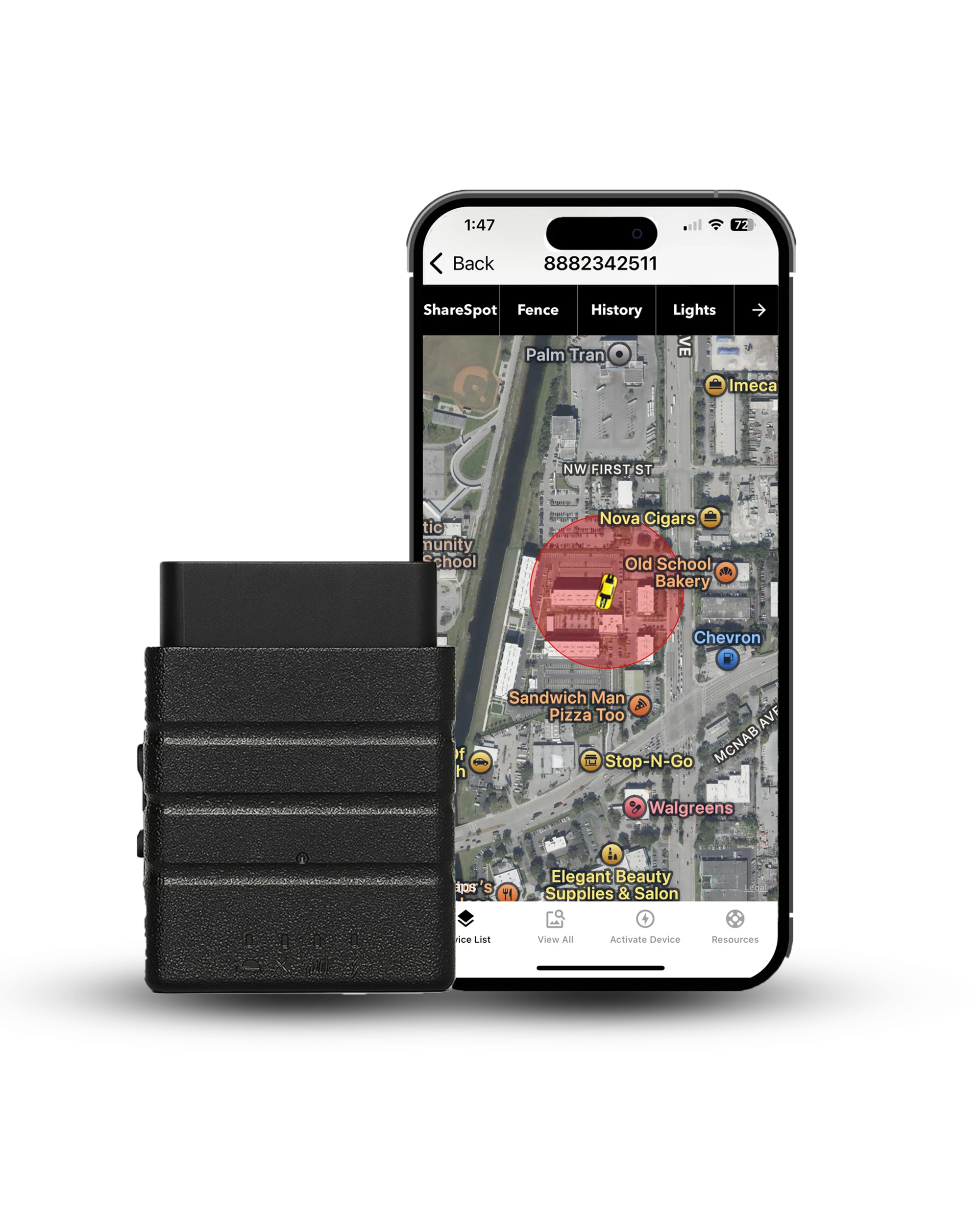
The Konnect OBD2 tracker plugs into the car's port, reports every 3 seconds and needs nothing worn.
Some parents do both. Then the bracelet covers the walk to the shops, and the car tracker covers the drive to an appointment.
What Are The Best Tamper Proof GPS Bracelets For Seniors?
The best tamper proof GPS bracelets for seniors right now are the Tranquil GPS Watch, AngelSense GPS Watch and Theora Connect, because all three can lock onto the wrist. SecuLife and Medical Guardian MGMove round out my top five for fall detection and 24/7 SOS help, but neither one locks.
I ranked them by what keeps a wandering parent safest. The table gives you the whole picture in about ten seconds.
Swipe sideways to compare all 5| Compare |
#1 Tranquil GPS Watch Tranquil GPS Watch
|
#2 AngelSense GPS Watch AngelSense GPS Watch
|
#3 Theora Connect Theora Connect
|
#4 SecuLife Smartband SecuLife Smartband
|
#5 Medical Guardian MGMove Medical Guardian MGMove
|
|---|---|---|---|---|---|
| Best For | Overall wandering pick | Live tracking in a search | Falls plus a lock | Alerts straight to family | 24/7 live operators |
| Lock | Key-lock strap (optional) | Key-lock strap (sold separately) | Clasp and key ($49.97 add-on) | No lock | No lock |
| Battery Life | About 1 week | About 16 hours | 18 to 24 hours | Not listed by SecuLife | Up to 24 hours |
| Water | IP67 waterproof | Water resistant | IP67, don't submerge | Waterproof | IP67, don't submerge |
| Fall Detection | No | Yes | Included in bundle | Built in | Add-on |
| Location Updates | Every 30 seconds | 30 sec moving, 10 sec in Runner Mode | 15 min, 3 min in Live Location | Real time in the app | Hourly, live on SOS |
| Monthly Plan | $44.95 | $49.99, 1-year contract | $39.97 with fall detection | From $25 | From $44.95 |
| Buy | Amazon | Amazon | Amazon | Amazon | Amazon |
Want the full story on each one? Every pick below gets my honest take, plus the features, pros and cons I'd check before buying.
1. Tranquil GPS Watch: Best Overall Tamper Proof GPS Bracelet For Seniors

Start here if your mom keeps sliding her watch off and leaving it by the sink.
Tranquil GPS Watch is a tamper proof GPS bracelet for seniors that looks like a classic leather dress watch, and you can add a locking strap that only opens with a key. The IP67 waterproof body lets that lock stay on in the shower. Safe zone alerts and Bluetooth home beacons ping you when she heads out the door, and one charge lasts about a week. A real lock plus almost no charging chores puts Tranquil first for older adults with Alzheimer's disease.
Tranquil Key Features
Tranquil's spec sheet reads like a caregiver wrote it, and SafeWise reports the founder cared for a family member with dementia. Six details earned the top spot.
- Optional locking strap opens only with a special caregiver key
- IP67 waterproof rating keeps the locked strap safe in the bath
- About one full week of battery life between each charge
- SOS button calls each emergency contact in order until someone answers
- Two-way calling with auto-answer, and only preset numbers ring through
- Live location updates every 30 seconds in the caregiver app
Put together, those six specs cover the two things families fight about most, staying on and staying charged.
Tranquil Pros And Cons
Specs only tell half the story, so I scored the good and the bad too.
Pros
- Key lock beats confused fingers, even on a rough day
- Week-long battery means far fewer charging fights at home
- Looks like real jewelry, not something from a hospital
- Showers and baths stay normal with the strap locked on
- Auto-answer means Mom never fumbles with a tiny button
Cons
- No fall detection, so a fall needs another device
- Premium price up front, and the locking strap costs extra
One missing feature aside, Tranquil checks the boxes a wandering parent needs most.
My Take On The Tranquil Watch
Families around Temecula ask me one wearable question more than any other. Can Mom get it off? With Tranquil, nope, not without the key.
The IP67 rating means you never unlock it for a shower either, and the week of battery life is what I appreciate most. Forgotten chargers kill more senior wearables than any design flaw, and nobody wants to play charger cop every night. Your mom wears it, you check the app, and the watch just keeps going.
No fall detection, though, so pair it with a separate fall alert if Mom is unsteady. Pick Tranquil when wandering is the big worry.
2. AngelSense GPS Watch: Best Tracker Bracelet For Live GPS Tracking

AngelSense GPS Watch is a cellular tracker bracelet built for wandering, and I'd grab it for a parent who bolts fast. You get a lockable strap that only opens with a dedicated key, location updates every 30 seconds on the move, and Runner Mode at every 10 seconds when you're searching. The auto-pickup speakerphone lets you talk Dad home without him pressing a thing, and a one-tap share sends his live location straight to police. The battery is what keeps it at number two. Sixteen hours means a charger on the nightstand every single night.
AngelSense Key Features
AngelSense packs a lot into one watch. These five features are the reason I trust it in a search.
- Lockable watch strap with a metal lock and two dedicated keys
- Runner Mode refreshes the location every 10 seconds during a search
- Auto-pickup speakerphone lets you talk without Dad pressing a button
- SOS button plus fall detection with an automatic call pickup
- One-tap live location sharing with police and other first responders
Every one of those features is built for the worst ten minutes of a caregiver's day.
AngelSense Pros And Cons
Great features don't help much once the battery runs dry, so weigh these honestly.
Pros
- Ten-second updates make an active search way faster
- Alerts flag unfamiliar places and late arrivals right away
- Wi-Fi indoor search helps inside malls and big stores
- More than 1,200 Amazon ratings, averaging 4.1 stars
Cons
- Lockable strap costs extra and ships as a separate order
- About 16 hours of battery, so charge every night
- Water resistant only, so skip baths and the pool
That battery con is the one I'd plan around first, and my take explains how.
My Take On The AngelSense Watch
Runner Mode is the feature I keep coming back to on AngelSense. A dot refreshing every 10 seconds shows you which way your dad turned, not just where he stood five minutes ago. In a real search, those minutes feel like hours. Parking garages and big-box stores make me groan with almost every tracker I've used, so the Wi-Fi indoor search earns a nod too. The auto-pickup speakerphone sold me as well, since a scared parent rarely remembers how to answer a call.
My one gripe is the battery. Sixteen hours means a nightly charging routine, and the lock strap is a separate order, so set up both on day one.
3. Theora Connect Wearable + Smart Fall Detection: Best Locking Clasp With Fall Detection

Theora Connect Wearable + Smart Fall Detection pairs a GPS smartwatch co-designed with people living with dementia with Theora's AI fall alerts. The locking clasp is the clever part.
You can take the watch off with the key, your mom can't.
The watch asks her out loud if she fell after a hard drop, then calls you if she says yes or never answers. Theora sits at number three because location only refreshes every 15 minutes, or every 3 in Live Location mode, and the clasp costs extra. Pick it when falls worry you as much as wandering.
Theora Connect Key Features
Theora's feature list runs long, so I pulled the seven that count most for a parent with Alzheimer's disease.
- Locking clasp and key let caregivers open the watch, not the wearer
- Smart Fall Detection asks out loud before it calls a caregiver
- GPS tracking locates the wearer within about 15 feet, per Theora
- Auto-answer calls connect you hands-free, with no button to press
- SOS button goes straight to the caregiver, not a call center
- Safe Zone alerts tell you when she leaves or gets back
- Battery lasts 18 to 24 hours, so plan a daily charge
The clasp and the fall check are the two I'd pay for, and the rest is a nice bonus.
Theora Connect Pros And Cons
Short list, solid list. The scorecard below shows where Theora earns its spot and where it trips.
Pros
- Locks on without looking like a medical device at all
- Large analog or digital faces are easy on aging eyes
- Fall alerts and wandering alerts live in one watch
- Service plus fall detection runs $39.97 a month total
- Only caregiver-approved numbers can call, so no spam calls
Cons
- Location refreshes every 15 minutes unless Live Location is on
- The locking clasp is a separate $49.97 add-on purchase
You can work around both, as long as you know about them before you buy.
My Take On Theora Connect
Theora Connect's clasp is my favorite piece of design on this whole list. Honestly, my first reaction was wow, a lock that doesn't scream hospital gear. Your mom can't open it, you can, and nobody wrestles anybody at the breakfast table. The fall check impressed me too, since the watch asks her out loud before it dials you. My groan is the 15-minute location refresh, so flip on Live Location the second she's missing. Theora also says don't submerge it, and the 18 to 24 hour battery means a charger she walks past every evening.
4. SecuLife Medical Alert Smartband: Best SOS Button Alerts Straight To Family

SecuLife Medical Alert Smartband is a GPS bracelet with automatic fall detection, an SOS button and two-way calling, and every alert rings your family directly. No call center in the middle. The Secupro app shows you live location, safe zone alerts and a full year of history, and plans start at $25 a month. I'd put it in front of an active parent who wears a band without a fuss.
SecuLife ranks fourth because the band doesn't lock, and a determined parent can slip it off.
SecuLife Key Features
SecuLife keeps things simple on purpose. Five features carry the whole band, and each one points straight back to your phone.
- Automatic fall detection calls your preset family contacts, not a call center
- Hold the heart button for three seconds to start an SOS call
- Geofence zones send you alerts in the app or by text
- A full year of location history saved in the Secupro app
- Heart rate monitoring runs alongside GPS tracking on the same band
Notice the pattern? Every alert lands on a family phone, never a stranger's headset.
SecuLife Pros And Cons
Simple is good, but simple has limits, and the scorecard shows both.
Pros
- Alerts hit family phones first, with no middleman involved
- Plans start at $25 a month on Amazon
- Waterproof band handles showers, rain and hand washing
- Fall detection is built in, not an extra charge
Cons
- No locking strap, so a determined wearer can remove it
- No 24/7 operators step in if family misses calls
- Mixed reviews, averaging 3.9 stars from 117 Amazon buyers
Those cons tell you exactly who SecuLife is not for, so read my take before you order.
My Take On The SecuLife Smartband
What won me over on SecuLife is the direct line.
Your phone rings when the fall sensor trips, not a stranger reading a script at a call center. That cuts the slowest step out of an emergency for most families. The price helps too, with plans from $25 a month, easier on the wallet than anything else on this list. I still put it fourth, though. Nothing stops your dad from unbuckling it and parking it on the kitchen counter next to his reading glasses. Pick SecuLife for a parent who wears a band happily and mostly needs fall coverage.
5. Medical Guardian MGMove: Best For 24/7 SOS Emergency Monitoring

Medical Guardian MGMove is a medical alert smartwatch that puts a trained operator on your parent's wrist 24/7.
Press the side SOS button or swipe the screen, and they're talking to someone at a US-based monitoring center over 4G LTE. No smartphone needed. Medical Guardian runs two monitoring centers with more than 550 trained operators, and the watch adds step counting and weather for an active day. Fall detection is an add-on.
MGMove ranks fifth because location history updates only hourly and the band doesn't lock. Great for an independent older adult who wants real people on call more than wandering alerts.
MGMove Key Features
MGMove is built around one job, getting a real person on the line fast. These six features back that up.
- Two-way voice with 24/7 operators at two US-based monitoring centers
- Response times as fast as 8 seconds, according to Medical Guardian
- Optional fall detection add-on tells soft falls from hard impacts
- IP67 rating means showers are fine, but never submerge the watch
- Up to 24 hours of battery, then a quick 1-2 hour recharge
- Real-time location goes to operators the moment your parent presses SOS
Everything on that list points to fast human help, which shapes who MGMove suits best.
MGMove Pros And Cons
Strong safety features, right? The scorecard shows why I still rank it last for wandering.
Pros
- Trained operators answer even when the whole family is busy
- Runs on 4G LTE with no smartphone needed at all
- Looks like a normal smartwatch, so proud parents wear it
- Five Diamond certified monitoring center from The Monitoring Association
- Step counting and weather apps support an active daily routine
Cons
- Location history updates hourly, too slow for active wandering
- Band won't lock, and you can't swap it for another
Weigh those two cons heavily if wandering is your main worry.
My Take On The MGMove
The part I respect most about MGMove is who answers. Press the button and a trained operator picks up, which beats a family group text when everybody's stuck in traffic on the 15. Medical Guardian quotes response times as fast as 8 seconds, and the watch looks normal enough that a proud parent will actually wear it. I like that the charger talks, too, telling your dad when the watch is seated on the cradle.
I'd look higher on this list for a parent who wanders, though. Location history refreshes hourly, the band doesn't lock, and the battery wants a charge every night.
Not sold on a wrist tracker yet? Keep reading, because the next few sections cover how the locks work, what to check before you buy, and what to do when Mom says no. Still driving? Jump to the bracelet or car tracker comparison.
Why Do Families Want A Non Removable Tracking Bracelet For Dementia Patients?
Because wandering is common, and a tracker only helps while it is on the wrist.
Wandering is not rare. The Alzheimer's Association says six in ten people living with dementia will wander at least once, and many do it again and again. Anyone with memory loss who can still walk can do it.
People living with dementia who will wander at least once. Many do it more than once.
The Association's guidance is worth reading before you buy anything. If the person is not found within 15 minutes, it says to call 911 and tell them the person has dementia. No tracker replaces that call. What it does is let you make it with a location instead of a description.
How Does A Tamper Proof GPS Bracelet Stay On?
Three ways, and they are not the same: a strap with a key lock, a locking clasp only the caregiver can open, or a clasp that takes two hands. Knowing which one you are buying matters more than the brand name.

Strap that locks with a key
Most people picture the lockable GPS bracelet like this: the strap closes with a lock, and the caregiver keeps the key. Strongest of the three, and the one that raises the most questions about consent.
Optional locking clasp
Start with an ordinary wearable, then add a locking clasp. Theora Connect offers a clasp that the caregiver can open but the wearer cannot. The same watch then works either way as needs change.
Clasp that takes two hands
No lock, just a fastening that needs two hands. MedicAlert makes its non removable dementia IDs this way, and suggests wearing it on the writing hand. Least restrictive, and often enough.
Non removable is relative
Any of these can come off with enough effort or a pair of scissors. The strap buys time and stops absent-minded removal. Treat it as a delay, never a promise.
Lockable GPS bracelet or locking watch strap?
Either one can work, because the lock lives in the strap and not in the product's name. Bracelets are slim and usually do one job. Watches also tell the time, so they can feel like something your parent already wears.
Pick the one they will actually keep on. Then check how the strap closes and who holds the key.
What Should A GPS Tracking Bracelet For Elderly Parents Have?
Six things decide whether it works on the day you need it: live tracking, geofencing, an SOS button, a tamper alert, water resistance and a battery that lasts days.
One mix-up comes up a lot. Water resistance and fall detection are two separate features. Waterproof bands survive the shower, but only a device that lists fall detection will tell you someone went down.
How Much Does A GPS Tracking Bracelet For Elderly Parents Cost?
Expect a price for the device and a monthly plan, and the plan is where most of the money goes.

Costs differ a lot from maker to maker, so ask for the full price before you pick one. Cheaper options usually trade away the strap. The PAJ Easy Finder pocket tracker below runs $5.50 to $13 a month, and it can't be locked on.
Car trackers are priced differently again. Konnect's OBD2 tracker is $39.95 at today's price, then $8.95 a month with no contract, and it follows the car, not the person.
Before you buy, ask four things: the device price, the monthly fee, any activation fee, and what happens if you cancel. Prices change, so check each maker's page.
Is It Okay To Lock A GPS Bracelet On Someone With Dementia?
Only with their agreement, or the approval of the person the law lets decide for them.
Tracking another adult needs their yes, or a legal decision-maker's yes
Locking a device on another adult is a bigger step than buying one. If the person can still make their own choices, the bracelet should not go on without their agreement, whatever the family thinks is best. If they can't, the choice usually belongs to a legal guardian, or to someone with power of attorney or a health care proxy. Talk it through with their doctor.
If the person lives in a care facility, bring the staff in early. Rules on monitoring and restraint differ from place to place, and fitting a device in secret can break them.
Free help is out there. The Alzheimer's Association shares current wandering guidance and runs a 24/7 helpline. Your state's rules on tracking people matter too, so read our GPS tracking laws in the USA guide. Think of the device as one layer of protection. Door alarms, a heads-up to neighbors and a local police registry, if your area has one, are the others.
This guide is general information, not medical or legal advice.
Is A Pocket Tracker Like The PAJ Easy Finder A Good Substitute?
Only if the person always carries a bag or wears a coat with pockets. The Easy Finder has no strap and no lock, so it can be left behind.
PAJ Easy Finder 4G

I'm putting the catch up front, because the ads in this category blur it. The Easy Finder is a small tracker made for a bag, a pocket or a coat lining. There is no strap and no lock. If the problem is someone taking the device off, this is not the fix.
For a relative who always carries a bag or wears the same jacket, it does the basics at a low monthly cost. The SOS button sends an alert with the location, and you can swap short voice messages with the wearer. Some families find a voice more reassuring than a dot on a map. PAJ's own product page lists the battery, plan and history details below.
PAJ Easy Finder Key Features
Here are the seven details from PAJ's own page I'd check first.
- About 10 days per charge at one hour of tracking daily
- Nonstop tracking lasts 2 to 3 days, standby up to 14
- IP65 water resistance handles splashes and rain, but not baths
- 365 days of route history on Premium, three days on Basic
- SIM card comes already fitted on the 4G network, ready to go
- SOS button and two-way voice messages between you and the wearer
- Premium runs $5.50 a month on two years or $7.50 on one
Basic runs $13 month to month. Prices and plans change, so check PAJ's page before you buy.
PAJ Easy Finder Pros And Cons
Cheap and simple is a fair trade, as long as you know what you give up.
Pros
- Low monthly cost on the long two-year Premium plan
- Two-way voice messages, not just a dot on a map
- Up to a full year of route history on Premium
- SIM fitted, so the tracker works out of the box
Cons
- No strap, so nobody can wear or lock it on
- Easy to leave behind in the bag it lives in
- IP65 only, so no baths, swimming or pool days
Pick the Easy Finder only if the bag or jacket goes everywhere your loved one does.
Thinking about an AirTag instead? Read our answer on whether an AirTag works for dementia patients before you spend anything. Want other pocket-size options? Our guide to the best personal GPS trackers covers several.
If they still drive, a bracelet leaves that gap open. Konnect closes it in about thirty seconds.
Shop KonnectWhat Do You Do When They Say No?
Slow down, listen first, and offer a smaller first step. Small yeses beat a big push that hardens into a flat no.

Saying no is the normal response, not the hard one. To many people a tracker feels like a label, or the first step toward losing the car, then the house. That feeling deserves an answer, not a workaround. If the car is the sore spot, our guide on how to monitor elderly parents' driving covers that talk.
The honest argument usually works best. The tracker is what lets them keep walking to the shops. The real alternative to knowing where they are is not letting them go out alone. Put that way, the tracker buys independence instead of taking it.
-
1Bring them into the decision: Choose the device together instead of handing over one you already bought. People keep wearing what they picked.
-
2Lead with independence: Say plainly what it protects: their freedom to go out alone. Then say what it is not, which is a check on their whole day.
-
3Offer a smaller version: Try it for two weeks, or use it only on walks and shopping trips. Taking a partial yes now keeps the door open.
-
4Make it comfortable: Weight, strap material and fit decide whether it stays on. Heavy or scratchy bands get pulled off, lock or no lock.
-
5Bring in their doctor: The same talk often lands better coming from a doctor, and it puts the choice with the people it belongs to.
Pick the device by how fast it warns you, not by how hard it is to take off. Locked straps on slow trackers are the worst of both.
Ryan Horban, GPS Tracking Expert
Should You Get A GPS Bracelet Or A Car Tracker?
Get a bracelet if they walk. Get a car tracker if they drive. Plenty of families end up using both.

Most families get this one backwards. Wearables cover someone on foot. Vehicle trackers cover someone behind the wheel. For a senior who still drives, that is where the serious risk sits.
| Question | Tracking bracelet or watch | OBD2 car tracker |
|---|---|---|
| Who is it for | Someone who may wander on foot | Someone who still drives, or is driven |
| Do they have to wear it | Yes, and that is the whole difficulty | No, it lives under the dashboard |
| Charging | Regular, and someone has to remember | None, it runs on the car's power |
| Update speed | Depends on the device and plan, so ask | Every 3 seconds on Konnect |
| Can they refuse it | Yes, by taking it off or not wearing it | Hard to refuse, but they should still be told |
Plenty of families run both, and that is fine. The bracelet covers the afternoon walk. The car tracker covers the drive to an appointment that turns into a trip two hours away.

Konnect OBD2 GPS Tracker
No strap, no charging, nothing to wear. Plug it into the port under the dash and it reports every 3 seconds.
- Plug in and go, no wiring
- 3-second updates
- Geofence and speed alerts
- 1 year of trip history
- Lifetime warranty
- USA-based support
Why does the Konnect OBD2 tracker fit a parent who drives?
Because it asks nothing of them. Setup is plugging it into a port, with no wiring, no appointment and nothing for your parent to operate. Geofencing works the way it does on a wearable, so leaving a familiar area sends you an alert.

Updates land every 3 seconds. At 60 miles an hour, a car travels a full mile between once-a-minute updates. Twelve months of trip history also shows patterns building, and that is often the first sign driving is turning into a problem. For the full picture, read our guide to the best GPS tracker for elderly parents who still drive.
One honest limit: Konnect tracks the car, not the person. Once your parent steps out on foot, it can't see them. So some families run it next to a bracelet.
Conclusion: Which Tamper Proof GPS Bracelet Should You Buy?
The best tamper proof GPS bracelet for seniors is the one your loved one keeps on, and for most families I talk to, that's the Tranquil GPS Watch.
A locking strap stops the slip-off problem, a full week of battery life stops the charging problem, and IP67 waterproofing means the lock never comes off for a shower. If your parent bolts fast, AngelSense gives you 10-second updates during a search. If falls keep you up at night, Theora Connect pairs a caregiver-only clasp with Smart Fall Detection.
Still torn? Match the pick to the problem that scares you most.
- Wanders and slips watches off: Tranquil GPS Watch, with a key lock and week-long battery
- Bolts fast or hides: AngelSense, with Runner Mode updating the map every 10 seconds
- Falls as well as wanders: Theora Connect, with fall detection and a caregiver-only clasp
- Happily wears a band: SecuLife Smartband, with SOS and fall alerts straight to family phones
- Wants a real person on call: Medical Guardian MGMove, with 24/7 operators at US-based centers
Whichever one you pick, set up geofencing alerts around home on day one, keep the charger where your parent walks past every evening, and talk it through together before the bracelet goes on.
And if Dad still drives? A bracelet can't see the car. Plug a Konnect OBD2 tracker into the port under his dash, and you've covered both halves of his day, the walk to the mailbox and the drive down the 15.
No device replaces that 911 call if your loved one goes missing. A good tracker just helps you make the call with a real location.
Cover the risk they cannot take off
Even the best bracelet only helps while it stays on. If your parent still drives, the car is the one thing you can track without asking them to wear anything. Konnect plugs in, updates every 3 seconds, and comes with a lifetime warranty and USA-based support.
Get the Konnect OBD2 TrackerAbout the Author

 Buy on Amazon