
GPS Tracking Laws in the USA (2026): A 50-State Guide
-
01
Ownership and consent decide almost everything. Without either, tracking is usually a crime
-
02
New Jersey is the one state with a written-notice law aimed squarely at vehicle tracking
-
03
Police attach and monitor under a warrant in practice, though the Supreme Court left that question open
-
04
Parents can generally track a minor child. At eighteen the consent rules change
-
05
These laws move. Check your state’s current text before acting on any summary, including this one
Hey, do GPS tracking laws in the USA let you put a tracker on this car? Good question. Get the answer wrong, and the tracker becomes evidence against you.
I’m Ryan Horban, and for 15 years at Konnect GPS I have worked with GPS vehicle trackers, fleet tracking devices, and commercial GPS tracking systems. One question shows up more than any other. Parents ask it. Bosses ask it. Husbands and wives ask it. So do people who just found a strange box under their bumper.
You will get plain answers on spouses, teens, employers and AirTags. Then come the federal rules, all fifty states, and the steps that keep you out of trouble. No legal jargon, and no scare tactics. Just straight answers. By the end, you will know if your plan is legal, what could go wrong, and what to do next.
The Short Answer
GPS tracking laws in the USA come down to two things: who owns the vehicle, and who said yes. I’m Ryan Horban, and after 15 years of working with GPS trackers at Konnect GPS, I give almost everyone the same answer. You can track a car you own or lease. You almost never can track a car you don’t, unless the people who use it agree.
Get those two things right and you are usually fine. Get them wrong, and the tracker becomes evidence. Most states charge it as stalking, harassment, or illegal surveillance.
Three questions decide every case. Who owns the vehicle. Who said yes. Who is doing the tracking. The rest of this guide is detail on those three.
The Three Questions That Decide Every Case
Lawyers, judges and police keep coming back to the same three questions. Answer them honestly and you will know where you stand.
Is It Illegal to Put a Tracker on Your Spouse’s Car?
Often, yes. Being married does not give you the right to secretly track your spouse. In most states, the answer turns on who owns the car and whether your spouse knows. And in some states, a divorce filing wipes out any consent you had.
I understand why people ask. Trust breaks, and a cheap tracker looks like a fast way to learn the truth. I would still slow down, because the tracker can hurt you more than the secret you are chasing.
I sell trackers, so you might expect me to say buy one. I won’t. If the car is not yours, or your spouse does not know about it, a tracker is the wrong tool.
Whose name is on the title?
The person on the title has the strongest right to track that car. Everyone else usually needs the owner’s okay. Between spouses, it plays out like this:
| Your situation | What the law often says | What I would do |
|---|---|---|
| The car is only in your name | Most states let an owner track their own car. Some states can still call secret tracking stalking if your spouse drives the car daily and the tracking scares or controls them. | Tell your spouse, or skip the tracker. |
| The car is only in your spouse’s name | Most states treat this as tracking someone else’s car. Without the owner’s yes, it is often a crime. | Do not install it. Talk to a family lawyer. |
| You both own the car | Some states let a co-owner track. Tennessee needs every owner to agree. Rhode Island wants the driver and every passenger to agree. | Check your state’s card below before you buy anything. |
| The car is leased | The person on the lease may be the only one who can say yes. | Read the lease first. |
What changes when a divorce starts
Some states cancel consent the moment someone files. That surprises a lot of people.
Florida Statutes section 934.425 says consent is presumed canceled when one spouse files for dissolution of marriage, or when either person files for a protection order. The Ohio Domestic Violence Network says Ohio works the same way for divorce filings and protection orders, and it adds that the person tracking has 72 hours after being served to remove the device or app. So a yes you gave last year may be gone today.
Can my wife track my car?
If the car is only in your name, she usually needs your okay. If you both own it, the answer depends on your state. The law does not care whether the tracker is on a husband’s car or a wife’s.
Found a tracker you never agreed to? Jump to what to do if someone put a tracker on your car.
Even where tracking is legal, it can backfire in a divorce. Courts can look at how you got your proof, and judges often dislike it when one spouse spies on the other. One talk with a family lawyer costs far less than a bad first move.
If you want to track a car you own, and everyone who drives it knows, that is the job Konnect was built for. See the Konnect OBD2 tracker.
Is It Illegal to Track Someone Without Their Consent?
Yes, in most states. Tracking a person’s location without their okay is a crime across most of the country. Prosecutors often charge it as stalking, harassment, or illegal use of a tracking device. The main exceptions are people tracking their own vehicles, parents of minor children, and police acting under a warrant or court order.
Consent is the whole game. Someone who knows about the tracker and agrees is in a very different spot than someone who has no idea.
Is putting a tracker on someone’s car a felony?
Sometimes. First offenses are often misdemeanors. But Florida, Hawaii and Arizona treat it as a felony from the start, and many states raise the charge if you did it before, broke a protection order, or have a history of violence.
| Level | What it looks like | States in this guide |
|---|---|---|
| Felony from the start | The law itself sets a felony penalty | Florida (third degree), Hawaii (class C), Arizona (class 5, under its stalking law) |
| Misdemeanor that can become a felony | Repeat offenses, protection orders, or a history of violence raise the charge | Nevada, Ohio, West Virginia, Alabama, Georgia, North Dakota |
| Misdemeanor | Fines and jail time. The top penalty varies by state | Texas, California, Michigan, Tennessee, Utah, Delaware, Wisconsin, Connecticut, North Carolina, Wyoming |
| Set by the stalking law | No tracking-only crime, so the stalking statute sets the penalty | Maryland (up to 5 years and $5,000), Massachusetts, New York, and others below |
Penalty rules change often. Florida moved from a misdemeanor to a third-degree felony in 2024, and Ohio added a new tracking law in 2025. Check your state’s card below and the current statute before you act.
Federal Law
Federal law does not ban private GPS tracking outright. It sets the constitutional floor for government tracking. State laws build their privacy expectations on top of that.
United States v. Jones (2012)
Police attached a GPS device to a suspect’s vehicle and tracked it for 28 days. The Supreme Court held that attaching the device and monitoring movements was a Fourth Amendment search. The reasoning was trespass, because hardware was physically attached to the car.
What it settled. That GPS attachment is a search. What it did not settle. The Court expressly left open whether that search always needs a warrant. Agencies work from warrants in practice, and lower courts have generally required them since.
Carpenter v. United States (2018)
Investigators obtained 127 days of historical cell site location records without a warrant. The Supreme Court held that acquiring that record is a search requiring a warrant. Such data gives a comprehensive account of a person’s movements.
Why it matters here. Carpenter is about phone records rather than trackers, but it confirms the direction. Detailed location history is treated as sensitive, whatever the device producing it.
-
2012
United States v. Jones. Attaching a device and monitoring movements is a Fourth Amendment search.
-
2018
Carpenter v. United States. Acquiring historical cell site location records needs a warrant.
-
2019
Utah enacts a dedicated tracking-device offense, part of a steady wave of state statutes.
-
JANUARY 2025
Texas sues Allstate over driver location data gathered through mobile apps.
-
MARCH 2025
Ohio’s law takes effect, the first written to cover tracking apps as squarely as hardware.
Federal statutes worth knowing
Wiretap Act, 18 U.S.C. § 2510
Prohibits intercepting electronic communications without consent. Relevant where a device captures communications rather than position alone. View statute
Electronic Communications Privacy Act
Extends wiretap protections to electronic data in transit, and governs unauthorized access to it.
Stored Communications Act
Covers stored records held by a service provider, which is the category historical location logs fall into.
Fourth Amendment
The constitutional backstop for government searches. It constrains agencies, not private individuals, which is why state law does the work below.
Mobile tracking device orders, 18 U.S.C. § 3117
Lets a judge’s tracking order follow the device into other places if it was put on in the judge’s area. The rule is about police and courts, not private people. View statute
Federal stalking law, 18 U.S.C. § 2261A
The main federal law on stalking. The law covers a pattern of behavior meant to harass or scare someone when it crosses state lines or uses electronic tools. Whether it fits a tracker case depends on the facts. View statute
Tracking-device warrants, Federal Rule 41
Lets a federal judge issue a warrant for police to install a tracker inside the judge’s district. The warrant can allow the tracker to be followed outside the district too. View rule
These statutes mostly govern government conduct and service providers. A private person tracking without consent is far likelier to face a state stalking or surveillance charge. That is why the fifty-state section below matters more than this one.
Four Myths That Get People Charged
Not reliably. Owning the car helps, and several states write an explicit owner or lessee exception. Others ask whether the person tracked had a reasonable expectation of privacy. A spouse or adult child who drives the car daily may well have one.
Usually yes, with notice. Tracking a company-owned vehicle for a business purpose is broadly accepted. What causes trouble is tracking personal vehicles, monitoring off-hours, or doing any of it without telling anyone.
They work from one. After Jones and Carpenter, agencies obtain warrants for attachment and for historical location data. If the government needs judicial authorization, a private individual has far less latitude, not more.
The opposite, usually. States without a GPS-specific statute reach the same conduct through stalking, harassment and surveillance law. Absence of a dedicated statute is not permission.
- Tracking without consent is commonly charged as stalking rather than as a GPS offense
- Intent and effect matter. Several states turn on whether the tracking caused fear or distress
- An owner exception protects the owner, not necessarily everyone who drives the car
- Federal law rarely reaches a private person who tracks a car, so your state’s law is the one that counts
If you would not be comfortable telling the person the tracker is there, that discomfort is the legal answer. Every state I know of treats concealment as the aggravating fact.
Ryan Horban, GPS Tracking Expert
Is It Legal to GPS Track Your Child?
Yes, in most states, if your child is under 18 and you are the parent or legal guardian. Some states add rules when parents are divorced or share custody. Once your child turns 18, the rules change.
Your 16-year-old just got the keys. You want to know she made it to school and made it home. Every parent gets that worry, and the law is mostly on your side.
Parents get tripped up in three places:
- The 18th birthday. Your child becomes an adult. From that day, you will likely need their consent.
- Shared custody. Florida needs both parents to agree if they are divorced, separated, or living apart. Ohio adds a consent condition where custody is shared.
- Tracking your ex through your child. Hiding a tracker in your child’s bag to follow the other parent is not tracking your child. The law treats it as tracking an adult, so the same consent rules apply.
When in doubt, ask a family lawyer before you buy the device.
My own advice is simple: tell your teen. Trackers you talk about cause fewer fights than ones they find by accident. Our guide on how to tell your teen you’ve installed an OBD2 GPS tracker walks through that talk.
Adults are different, even your own parents. For a parent with dementia, Florida lets a caregiver track only when the person’s doctor says it is needed for safety, and other states have their own rules. Guardianship papers matter. If you are planning ahead, take a look at the Elderly Vehicle GPS Tracker.
Have a new teen driver? Konnect’s Teen Driving Monitor is built for parents of new drivers, and it works best when your teen knows about it.
See the Teen Driving MonitorDo GPS Tracking Laws Cover AirTags and Phone Apps?
Often, yes. Many state laws are written around the act of tracking, not the gadget. Florida’s law names tracking apps as well as devices, and the Ohio Domestic Violence Network says Ohio’s 2025 law covers Bluetooth tags and location apps. So an AirTag can land you in the same trouble as a hardwired GPS unit.
Older laws were written before AirTags existed, and some only say “GPS device” or “vehicle.” Lawmakers keep closing that gap, but I would not bet a court case on a loophole.
Four rules keep you on the right side of the law:
- Track your own stuff. Your own car, your own keys, your own phone.
- Tell the person. Proof of a yes beats a secret every time.
- Skip the hidden tag. Hiding a tracker in a coat or a car is what turns a normal gadget into evidence.
- Share on purpose. Location sharing between people who both agreed is fine.
If your goal is a car you own, a plug-in tracker that everyone can see is the cleanest path.
GPS Tracking Laws By State

Tap any state for consent rules, the owner exception, employer requirements, penalties and the governing statute. Where a state has no GPS-specific law, the entry says so.
The quick view: all 50 states in one table
Scan first, then open a state card below for the full rules. Click any state name to jump to its card. Verified means the entry was checked against the statute text on a primary legal source.
| State | Tracking without consent | How it is charged | Penalty in this guide |
|---|---|---|---|
| Alabama | Yes | Electronic stalking | Misdemeanor; felony in serious cases |
| Alaska | Yes, if it causes fear or distress | Stalking | Stalking, second degree |
| Arizona Verified | Yes | Stalking | Felony (class 5, up to class 3) |
| Arkansas | Yes | Privacy and stalking laws | Set by privacy and stalking laws |
| California Verified | Yes | Tracking-device law | Misdemeanor |
| Colorado Verified | Yes, if it causes distress | Stalking (Vonnie’s Law) | Set by stalking and harassment law |
| Connecticut Verified | Yes, if it causes fear for safety | Electronic stalking | Class B misdemeanor |
| Delaware Verified | Yes | Tracking-device law | Class A misdemeanor |
| Florida Verified | Yes | Tracking-device law | Third-degree felony |
| Georgia | Yes | Surveillance or stalking law | Misdemeanor or felony |
| Hawaii Verified | Yes | Tracking-device law | Class C felony |
| Idaho | Yes | Stalking | Set by stalking law |
| Illinois Verified | Yes | Tracking-device law | Charged under criminal trespass law |
| Indiana | Yes | State criminal law | Criminal charges |
| Iowa Verified | Yes, without consent or a legitimate purpose | Tracking-device law | Unauthorized placement of a GPS device |
| Kansas | Yes | Stalking or privacy law | Set by stalking or privacy law |
| Kentucky | Yes | Privacy or stalking law | Set by privacy or stalking law |
| Louisiana | Yes | Privacy or stalking law | Set by privacy or stalking law |
| Maine | Yes, if used to cause fear | Anti-stalking law | Set by anti-stalking law |
| Maryland | Yes | Stalking | Up to 5 years and $5,000 |
| Massachusetts | Yes, if it causes distress | Stalking or harassment law | Fines, jail time, or both |
| Michigan Verified | Yes | Tracking-device law | Misdemeanor, up to 1 year and $1,000 |
| Minnesota | Yes, without consent or a warrant | Anti-tracking law | Criminal charges |
| Mississippi | Not explicit | Not explicit (stalking or harassment) | Set by stalking law |
| Missouri Verified | Not explicit | Not explicit (stalking or harassment) | Set by stalking and harassment law |
| Montana | Not explicit | Not explicit (privacy or stalking) | Set by privacy or stalking law |
| Nebraska Verified | Not explicit | Not explicit (stalking or harassment) | Set by stalking and privacy law |
| Nevada Verified | Yes | Tracking-device law | Misdemeanor, then felony on repeats |
| New Hampshire | Yes | Tracking-device law | Criminal charges |
| New Jersey Verified | Yes, through stalking and harassment law | Stalking or harassment, plus an employer notice law | Employer notice: $1,000 first, $2,500 after |
| New Mexico | Yes | Stalking | Set by stalking law |
| New York | Yes | Stalking or privacy law | Set by stalking and privacy law |
| North Carolina | Yes | Cyberstalking | Class 2 misdemeanor |
| North Dakota | Yes | Stalking | Misdemeanor or felony |
| Ohio Verified | Yes | Tracking-device law | Misdemeanor; felony with priors or a protection order |
| Oklahoma | Yes | Stalking or privacy law | Set by stalking or privacy law |
| Oregon Verified | Yes | Tracking-device law | Unlawful use of a GPS device |
| Pennsylvania Verified | Not explicit | Not explicit (stalking or harassment) | Set by stalking and harassment law |
| Rhode Island Verified | Yes | Tracking-device law | Criminal offense |
| South Carolina | Not explicit | Not explicit (stalking or privacy) | Set by privacy and stalking law |
| South Dakota | Not explicit | Not explicit (privacy or stalking) | Set by privacy law |
| Tennessee Verified | Yes | Tracking-device law | Class A misdemeanor |
| Texas Verified | Yes | Tracking-device law | Class A misdemeanor |
| Utah Verified | Yes | Tracking-device law | Class A misdemeanor |
| Vermont | Yes | Stalking | Set by stalking law |
| Virginia | Yes | Tracking-device law | Criminal charges |
| Washington | Yes, if it causes fear | Stalking or fear-based law | Set by stalking and fear-based law |
| West Virginia | Yes | State criminal law | Felony possible on a second offense |
| Wisconsin Verified | Yes | Tracking-device law | Class A misdemeanor |
| Wyoming Verified | Yes, with intent to harass | Stalking (names GPS) | Misdemeanor, up to 1 year and $750 |
Penalties in this table come from each state’s card. Laws change, so check the current statute before you act.
States with a tracking-specific statute
California, Delaware, Florida, Hawaii, Illinois, Iowa, Michigan, Nevada, New Hampshire, Ohio, Oregon, Rhode Island, Tennessee, Texas, Utah, Virginia and Wisconsin name tracking devices in the code. The offense stands on its own, so no fear or distress needs proving.
States that reach it through stalking law
Missouri, Nebraska, Colorado, Arizona, Wyoming and others have no dedicated offense. Tracking is prosecuted as stalking or harassment. That usually means showing a course of conduct and its effect on the victim.
Ohio’s tracking-device law took effect, written to cover apps as well as hardware. It is the newest statute of its kind, and most published summaries have not caught up.
Verified against Ohio Rev. Code 2903.216
Alabama GPS Tracking Laws
Alabama treats secret tracking as electronic stalking, and the penalties are heavy.
- Non-consensual trackingIllegaltreated as electronic stalking
- Owner exceptionYes, track your own car, and parents may track minor children
- Employer rulesTracking company vehicles is allowed, but notify employees first
- PenaltiesMisdemeanor fines or jail, with felony charges in serious cases
- Law enforcementWarrant required
- StatuteAla. Code § 13A-6-95 and § 13A-6-96
Alaska GPS Tracking Laws
Alaska takes privacy seriously. GPS use that frightens someone can be charged as stalking.
- Non-consensual trackingIllegalif it causes emotional distress or fear
- Owner exceptionYes, track your own car, truck or property
- Employer rulesNever in secret, so get written consent
- PenaltiesCharged under AS § 11.41.270, stalking in the second degree
- Law enforcementWarrant required
- StatuteAlaska Statutes § 11.41.270
Arizona GPS Tracking Laws
Arizona reaches tracking through its stalking statute, and the penalty is a felony rather than a misdemeanor.
- Non-consensual trackingIllegalVerifiedusing a GPS device to surveil someone continuously for 12 hours or more, OR on two or more occasions however short, counts as a course of conduct under the stalking statute
- Owner exceptionThe statute excludes activity authorized by the other person, their authorized representative, or a minor's parent or guardian
- Employer rulesMay track workers, but only with clear authorization
- PenaltiesFELONY, not a misdemeanor. Class 5 felony, rising to class 3 where the victim reasonably fears death
- Law enforcementWarrant required
- StatuteA.R.S. § 13-2923
Arkansas GPS Tracking Laws
Arkansas needs clear consent first. Skip it and you are into harassment territory.
- Non-consensual trackingIllegalconsent is required
- Owner exceptionYes, your own vehicle or your child's
- Employer rulesTell employees before tracking company cars or phones
- PenaltiesHandled under privacy and stalking laws
- Law enforcementWarrant required
- StatuteArkansas Code § 5-71-208
California GPS Tracking Laws
California bars tracking without consent outright, but the registered owner or lessee is carved out. For the full picture, read our GPS tracking laws in California guide.
- Non-consensual trackingIllegalVerifiedmisdemeanor offense
- Owner exceptionYes, the registered owner or lessee is exempt, but secretly tracking a partner is still illegal
- Employer rulesWritten consent required, and CCPA and CPRA also apply
- PenaltiesMisdemeanor charges and fines
- Law enforcementWarrant required
- StatuteCalifornia Penal Code § 637.7
Colorado GPS Tracking Laws
Colorado has no GPS-specific criminal statute. Tracking is reached through the stalking law, known as Vonnie's Law.
- Non-consensual trackingIllegalVerifiedwhere it causes emotional distress
- Owner exceptionYes, your child's car or your business van
- Employer rulesOnly with clear consent, because secret tracking invites lawsuits
- PenaltiesNo direct criminal GPS law, so stalking and harassment claims apply
- Law enforcementWarrant required
- StatuteC.R.S. § 18-3-602, Vonnie's Law
Connecticut GPS Tracking Laws
Connecticut has a GPS-specific stalking offense, so the test is fear rather than the device itself.
- Non-consensual trackingIllegalVerifiedelectronic stalking, meaning recklessly causing someone to fear for their physical safety by willfully and repeatedly using GPS to track them
- Owner exceptionYes, tracking your own car is fine. The offense turns on the effect on the person, not on who owns the vehicle
- Employer rulesConn. Gen. Stat. 31-48d requires notice of electronic monitoring, though it is written for phone and internet rather than vehicles
- PenaltiesClass B misdemeanor. Charged as a domestic violence offense in a family or dating context
- Law enforcementWarrant required unless emergency
- StatuteConn. Gen. Stat. § 53a-181f, electronic stalking
Delaware GPS Tracking Laws
Delaware names location tracking devices in its criminal code, so the device itself is the offense.
- Non-consensual trackingIllegalVerifiedknowingly installing an electronic or mechanical location tracking device in or on a motor vehicle without consent, a class A misdemeanor
- Owner exceptionYes, the consent of the registered owner, lessor or lessee is what the statute turns on. A parent or legal guardian tracking a minor child is expressly carved out
- Employer rulesGet employee consent first. Note that 19 Del. C. 705 is a separate electronic-monitoring notice statute
- PenaltiesClass A misdemeanor
- Law enforcementLawful law-enforcement use is expressly carved out
- Statute11 Del. C. § 1335(a)(8)
Florida GPS Tracking Laws
Florida is among the strictest. Since 2024 it is a felony, and a divorce filing can cancel consent.
- Non-consensual trackingIllegalVerifiedinstalling a tracking device or app on another person's property without consent, OR using one to find another person or their property without consent
- Owner exceptionYes. Owners and lessees can track their own motor vehicle while they own or lease it, with rules about what happens to the tracker when the title or lease changes. Parents of a minor child can track under set conditions, such as both parents agreeing when they are divorced or living apart
- Employer rulesAnyone acting in good faith for a business, for a legitimate business purpose, is exempt. The statute does not require written notice, but a signed policy is still smart
- PenaltiesThird-degree felony. Second-degree felony if used to commit or help commit a dangerous crime
- Divorce or protection orderConsent is presumed canceled when one spouse files for dissolution of marriage, or when either person files for a protection order
- Law enforcementPolice acting in a criminal investigation, or under a court order, are exempt
- StatuteFlorida Statute § 934.425
Georgia GPS Tracking Laws
Georgia treats covert tracking as surveillance or stalking.
- Non-consensual trackingIllegalcan result in stalking charges
- Owner exceptionYes, your own vehicle, or parents tracking a teen's driving
- Employer rulesWritten consent required from employees
- PenaltiesMisdemeanor or felony depending on severity
- Law enforcementWarrant required
- StatuteGeorgia Code O.C.G.A. § 16-11-62
Hawaii GPS Tracking Laws
Hawaii names mobile tracking devices directly, in the same section that governs wiretaps, and treats misuse as a felony.
- Non-consensual trackingIllegalVerifiedinstalling or using a mobile tracking device without a warrant or other authorizing order
- Owner exceptionYes. The statute excepts a device installed by, or with the consent of, the owner of the property it goes on
- Employer rulesGet written consent before tracking company cars
- PenaltiesClass C felony
- Law enforcementSearch warrant or other authorizing order required, written into the same section
- StatuteHRS § 803-42(a)(8)
Idaho GPS Tracking Laws
Idaho has no GPS-specific statute, but secret tracking is still reached by the stalking laws.
- Non-consensual trackingIllegaloften charged as stalking
- Owner exceptionYes, your own car, or a parent tracking a minor's car
- Employer rulesGet clear, written consent before tracking company vehicles
- PenaltiesProsecuted under Idaho's stalking statutes
- Law enforcementWarrant required
- StatuteIdaho Code § 18-7905 and § 18-7906
Illinois GPS Tracking Laws
Illinois names electronic tracking devices in the criminal code, and it writes a broad exemption for business fleets.
- Non-consensual trackingIllegalVerifiedwithout the consent of the registered owner, lessor or lessee
- Owner exceptionYes, the registered owner, lessor or lessee can consent, and that consent covers any other driver or passenger of the vehicle
- Employer rulesA business authorized to transact business in Illinois may track vehicles it owns or leases that are driven by its employees, affiliates or contractors. That business use is written into the statute as an exemption
- PenaltiesCharged under the criminal trespass article of the Criminal Code
- Law enforcementLawful use by a law enforcement agency is carved out
- Statute720 ILCS 5/21-2.5, electronic tracking devices prohibited
Indiana GPS Tracking Laws
Indiana requires vehicle-owner consent before a tracker goes on.
- Non-consensual trackingIllegalvehicle-owner consent required
- Owner exceptionYes, vehicles you own, including a teen's car or company truck
- Employer rulesNeed employee consent, and written proof is best
- PenaltiesCriminal charges under state law
- Law enforcementWarrant required
- StatuteIndiana Code § 35-46-8.5-1
Iowa GPS Tracking Laws
Iowa has a dedicated offense for GPS placement, but it turns on legitimate purpose as well as consent.
- Non-consensual trackingIllegalVerifiedplacing a GPS device on a person or an object to track them, without consent AND without a legitimate purpose
- Owner exceptionYes, your own property or your child's vehicle
- Employer rulesA genuine business purpose can satisfy the legitimate-purpose test, but consent is still the safe route
- PenaltiesCharged as unauthorized placement of a global positioning device
- Law enforcementWarrant required
- StatuteIowa Code § 708.11A, unauthorized placement of a global positioning device
Kansas GPS Tracking Laws
Kansas bars secret tracking, though business use during work hours is generally allowed.
- Non-consensual trackingIllegal
- Owner exceptionYes, your own vehicle or your child's
- Employer rulesMay use GPS for legitimate business, though notice and consent are recommended
- PenaltiesCharged under stalking or privacy laws
- Law enforcementWarrant required
- StatuteKansas Statute § 21-5427
Kentucky GPS Tracking Laws
Kentucky is strict, and dealers must disclose a tracker installed in a leased vehicle.
- Non-consensual trackingIllegalconsent required
- Owner exceptionYes, but disclosure matters if others use the vehicle
- Employer rulesEmployee consent required before tracking
- PenaltiesCharges under privacy or stalking statutes
- Law enforcementWarrant required
- StatuteKentucky Statute § 508.152
Louisiana GPS Tracking Laws
Louisiana keeps it simple. Without permission, do not track.
- Non-consensual trackingIllegal
- Owner exceptionYes, your own car, or a parent tracking a child's vehicle
- Employer rulesTrack work vehicles during work hours only if employees know, and written consent is safest
- PenaltiesFalls under privacy or stalking laws
- Law enforcementWarrant required
- StatuteLouisiana Revised Statute § 14:323
Maine GPS Tracking Laws
Maine prohibits tracking used to frighten, control or intimidate.
- Non-consensual trackingIllegalwhere used to cause fear
- Owner exceptionYes, your own vehicle or property
- Employer rulesMaine’s LD 61 (in effect since July 2026) needs written notice for employer surveillance, but leaves out GPS on vehicles the employer owns. For a worker’s own car or phone, get consent
- PenaltiesCovered under Maine's anti-stalking laws
- Law enforcementWarrant required
- StatuteTitle 17-A, Maine Criminal Code (stalking). Employer surveillance: 26 M.R.S. § 620-A (LD 61)
Maryland GPS Tracking Laws
Maryland is tough on GPS misuse, with substantial penalties attached to the stalking statute.
- Non-consensual trackingIllegalcriminal stalking
- Owner exceptionYes, track your own assets
- Employer rulesClear employee consent required before tracking
- PenaltiesStalking carries up to 5 years, a fine up to $5,000, or both
- Law enforcementWarrant required
- StatuteMd. Code Ann., Criminal Law § 3-802
Massachusetts GPS Tracking Laws
In Massachusetts the effect matters. Tracking that causes distress breaks the law.
- Non-consensual trackingIllegalwhere it causes distress or anxiety
- Owner exceptionYes, a car you own
- Employer rulesMay track company vehicles, but avoid practices causing emotional harm
- PenaltiesFines, jail time, or both
- Law enforcementWarrant required
- StatuteMassachusetts General Laws ch. 265 § 43A
Michigan GPS Tracking Laws
Michigan has a dedicated tracking-device statute, and it is stricter than most summaries suggest.
- Non-consensual trackingIllegalVerifieda named offense under the penal code, not just general privacy law
- Owner exceptionNarrower than most states. Installing needs the owner's or lessee's consent, and TRACKING needs the owner's or the authorized operator's
- Employer rulesCompany-owned vehicles only, and the driver counts as an authorized operator whose consent matters
- PenaltiesMisdemeanor, up to 1 year, a fine up to $1,000, or both. Civil damages are also available
- Law enforcementWarrant required
- StatuteMCL § 750.539l
Minnesota GPS Tracking Laws
Minnesota is among the strictest. Without permission or a court order, tracking is out.
- Non-consensual trackingIllegalwithout consent or a warrant
- Owner exceptionYes, track your own car
- Employer rulesEmployee consent required
- PenaltiesCriminal charges under strict anti-tracking laws
- Law enforcementCourt order required
- StatuteMinn. Stat. § 626A.35
Mississippi GPS Tracking Laws
Mississippi has no dedicated GPS law, but privacy and stalking laws still apply.
- Non-consensual trackingNot explicitcan fall under stalking or harassment laws
- Owner exceptionYes, your own car or property
- Employer rulesAlways get consent, because secret tracking is risky
- PenaltiesProsecuted under stalking statutes
- Law enforcementWarrant usually required
- StatuteNo specific statute, so stalking and privacy law does the work
Missouri GPS Tracking Laws
Missouri has no dedicated statute banning covert vehicle tracking. Stalking and harassment law does that work instead.
- Non-consensual trackingNot explicitVerifiedno tracking-device offense on the books, so it is reached through stalking and harassment law
- Owner exceptionYes, parents may track a minor child's car for safety
- Employer rulesEmployee consent is the safe route even for company vehicles
- PenaltiesProsecuted under stalking and harassment statutes
- Law enforcementWarrant required
- StatuteNo general anti-tracking statute. Mo. Rev. Stat. § 455.095 is widely miscited for this, though it governs court-ordered electronic monitoring with victim notification in protective-order cases
Montana GPS Tracking Laws
Montana protects privacy explicitly in its constitution, but there is no statute written about tracking devices.
- Non-consensual trackingNot explicitno dedicated tracking offense found, so it is reached through privacy and stalking law
- Owner exceptionYes, your own vehicle or your teen's car
- Employer rulesCompany vehicles only if employees know, and personal cars are off-limits
- PenaltiesPrivacy or stalking charges
- Law enforcementWarrant required
- StatuteNo dedicated GPS law, so Montana privacy law applies
Nebraska GPS Tracking Laws
Nebraska has no criminal ban on private vehicle tracking. The section usually cited for one is a court-warrant provision.
- Non-consensual trackingNot explicitVerifiedno private-tracking offense found, so it is reached through stalking and harassment law
- Owner exceptionYes, your own vehicle or your teen's car
- Employer rulesGet written consent before installing a tracker
- PenaltiesProsecuted under stalking and privacy statutes
- Law enforcementA district court may issue a warrant or order authorizing installation and use of a mobile tracking device
- StatuteNeb. Rev. Stat. § 86-2,103 is the WARRANT provision that lets a district court authorize a mobile tracking device. It is widely miscited as a ban on private tracking
Nevada GPS Tracking Laws
Nevada has a dedicated tracking-device offense, and the penalty escalates on repeat convictions.
- Non-consensual trackingIllegalVerifiednamed in statute as unlawful installation of a mobile tracking device
- Owner exceptionYes. The offense turns on installing without the knowledge and consent of an owner or lessor
- Employer rulesEmployee consent required before tracking work cars
- PenaltiesEscalating, from a misdemeanor on a first offense, to a gross misdemeanor, to a category C felony
- Law enforcementCarved out where the agency acts within constitutional and state-law requirements
- StatuteNRS § 200.930
New Hampshire GPS Tracking Laws
New Hampshire names tracking devices in its criminal code and leaves no wiggle room.
- Non-consensual trackingIllegalcriminal offense
- Owner exceptionYes, a vehicle you own or legally lease
- Employer rulesMust notify workers and get consent
- PenaltiesCriminal charges
- Law enforcementWarrant required
- StatuteN.H. Rev. Stat. § 644-A:4
New Jersey GPS Tracking Laws
New Jersey has the clearest employer rule in the country, written specifically about vehicles.
- Non-consensual trackingIllegalVerifiedreached through stalking and harassment law, with a dedicated employer notice statute on top
- Owner exceptionYes, your own car or your child's
- Employer rulesWRITTEN NOTICE required before using a tracking device in any vehicle an employee uses, including their own
- Penalties$1,000 for a first violation, $2,500 for each subsequent one
- Law enforcementWarrant required
- StatuteN.J.S.A. § 34:6B-22
New Mexico GPS Tracking Laws
New Mexico treats covert tracking as stalking.
- Non-consensual trackingIllegaltreated as stalking
- Owner exceptionYes, your own car, or a parent tracking a minor child's car
- Employer rulesEmployee consent required, and secret tracking could count as harassment
- PenaltiesFalls under anti-stalking laws
- Law enforcementWarrant required
- StatuteN.M. Stat. § 30-3A-3
New York GPS Tracking Laws
New York reaches tracking through stalking and privacy law rather than a GPS-specific statute.
- Non-consensual trackingIllegalfalls under stalking and privacy laws
- Owner exceptionYes, but if others regularly drive the car, get their consent too
- Employer rulesClear consent and policies required. Civil Rights Law 52-c covers electronic monitoring of phone, email and internet rather than vehicles
- PenaltiesPrivacy and stalking statutes apply
- Law enforcementWarrant required
- StatuteN.Y. Penal Law § 120.45
North Carolina GPS Tracking Laws
North Carolina charges covert GPS use as cyberstalking.
- Non-consensual trackingIllegalClass 2 misdemeanor
- Owner exceptionOwners and lessees may track, and parents may track children's vehicles
- Employer rulesConsent and transparency are required
- PenaltiesCan escalate if done under a protective order
- Law enforcementWarrant required
- StatuteN.C. Gen. Stat. § 14-196.3
North Dakota GPS Tracking Laws
North Dakota defines non-consensual tracking as stalking outright.
- Non-consensual trackingIllegallegally defined as stalking
- Owner exceptionYes, your own car or property
- Employer rulesEmployee consent required
- PenaltiesMisdemeanor or felony depending on the situation
- Law enforcementWarrant required
- StatuteN.D. Cent. Code § 12.1-17-07.1
Ohio GPS Tracking Laws
Ohio passed the newest tracking law in the country, and it is one of the broadest. Summaries saying Ohio has no GPS statute are out of date.
- Non-consensual trackingIllegalVerifiedillegal use of a tracking device or application, effective March 20, 2025 under Senate Bill 100
- Owner exceptionA parent or guardian may track a minor child, with a consent condition where custody is shared
- Employer rulesConsent required. The statute is about tracking a person or their property, not about who owns the vehicle
- PenaltiesFirst-degree misdemeanor, up to 180 days and a $1,000 fine, rising to a fourth-degree felony on a prior conviction, where a protection order is in force, or where there is a history of violence toward the victim
- Law enforcementWarrant required
- StatuteOhio Rev. Code § 2903.216
Oklahoma GPS Tracking Laws
Oklahoma requires consent before a tracker goes on a vehicle.
- Non-consensual trackingIllegalconsent is required
- Owner exceptionYes, your own car, or a parent tracking a child's vehicle
- Employer rulesGet written consent from employees
- PenaltiesCharged under stalking or electronic privacy laws
- Law enforcementWarrant required
- StatuteOklahoma Statutes § 21-1173
Oregon GPS Tracking Laws
Oregon names the offense after the technology, which makes it one of the easier statutes to find.
- Non-consensual trackingIllegalVerifiedunlawful use of a global positioning system device, which means knowingly affixing a GPS device to another person's vehicle without consent
- Owner exceptionYes, your own car, or a parent tracking a teen
- Employer rulesMay track company vehicles, but only with consent
- PenaltiesCharged as unlawful use of a global positioning system device
- Law enforcementWarrant required
- StatuteORS § 163.715, unlawful use of a global positioning system device
Pennsylvania GPS Tracking Laws
Pennsylvania is the state most likely to have changed since this was written. Check before relying on it.
- Non-consensual trackingNot explicitVerifiedno settled criminal ban on private tracking found. Legislation to make covert tracking part of the stalking laws has been moving through the legislature
- Owner exceptionYes, your own car, or a parent tracking a child's vehicle
- Employer rulesConsent and clear policies required
- PenaltiesProsecuted under stalking and harassment law in the meantime
- Law enforcement18 Pa.C.S. § 5761, mobile tracking devices, is the court-order provision in the wiretap chapter. It is widely miscited as a ban on private tracking
- StatuteNo settled private-tracking offense. Verify the current position before acting, since bills have been active on this
Rhode Island GPS Tracking Laws
Rhode Island has a chapter devoted to this, and its consent test is the broadest in the country.
- Non-consensual trackingIllegalVerifiedrequires the consent of the operator AND ALL OCCUPANTS of the vehicle
- Owner exceptionNarrower than elsewhere. Owning the car does not release you from the operator-and-occupants consent test
- Employer rulesGet employee consent, and remember passengers count too
- PenaltiesCriminal offense under Title 11
- Law enforcementWarrant required
- StatuteR.I. Gen. Laws § 11-69-1, with carve-outs for stolen-goods and theft-recovery devices and for dealer devices with express written consent
South Carolina GPS Tracking Laws
South Carolina has no statute written about private tracking. The section usually cited is a court-order provision.
- Non-consensual trackingNot explicitno private-tracking offense on the books, so it is reached through stalking and privacy law
- Owner exceptionYes, your own car or property
- Employer rulesCompany vehicles only with employee consent
- PenaltiesGeneral privacy and anti-stalking laws apply
- Law enforcementS.C. Code 17-30-140 lets the Attorney General or a solicitor apply to a judge for a mobile tracking device order
- StatuteNo specific GPS law. A bill to create one has been introduced but is not law
South Dakota GPS Tracking Laws
South Dakota has no dedicated tracking statute, so consent and stalking law decide it.
- Non-consensual trackingNot explicitno tracking-device offense found, so it is reached through privacy and stalking law
- Owner exceptionYes, your own vehicle, or a parent tracking a child's car
- Employer rulesCompany vehicles are fine, but workers must know
- PenaltiesHandled under South Dakota's privacy laws
- Law enforcementWarrant required
- StatuteNo dedicated GPS law, so general tracking and privacy law applies
Tennessee GPS Tracking Laws
Tennessee requires the consent of ALL owners, which quietly rules out a lot of family situations.
- Non-consensual trackingIllegalVerifiedknowingly installing, concealing or placing a device on a vehicle without the consent of ALL owners, for the purpose of monitoring an occupant
- Owner exceptionNarrow. One co-owner cannot consent for the other. A lessee's consent is needed where the vehicle is leased
- Employer rulesEmployee consent required before tracking
- PenaltiesClass A misdemeanor under Title 39
- Law enforcementLawful law-enforcement use is carved out
- StatuteTenn. Code Ann. § 39-13-606, with a parent or guardian exception where they own or lease the vehicle and are monitoring a minor child
Texas GPS Tracking Laws
Texas makes installing a tracker on another person's vehicle a crime, with effective consent as a defense.
- Non-consensual trackingIllegalVerifiedClass A misdemeanor
- Owner exceptionYes, your own vehicle, and parents tracking minor children
- Employer rulesThe law protects the owner or lessee of the vehicle. A company that owns its own trucks is the owner, so it can install trackers on them. Tracking a worker’s personal car needs that worker’s consent. Written notice to drivers is still smart
- PenaltiesClass A misdemeanor, up to $4,000 and up to one year in county jail
- Law enforcementWarrant required
- StatuteTexas Penal Code § 16.06
Utah GPS Tracking Laws
Utah has had a dedicated tracking-device offense since 2019. Summaries calling it a general-statutes state are wrong.
- Non-consensual trackingIllegalVerifiedunlawful installation of a tracking device, a class A misdemeanor
- Owner exceptionTurns on the permission of the owner or lessee of the vehicle
- Employer rulesEmployee consent required
- PenaltiesClass A misdemeanor
- Law enforcementPeace officers are addressed separately in the statute, and licensed private investigators acting for a legitimate business purpose are also carved out
- StatuteUtah Code § 76-9-408. Note it was renumbered in May 2025, so check the current section number
Vermont GPS Tracking Laws
Vermont treats location tracking without consent as stalking.
- Non-consensual trackingIllegalreached through the stalking statute
- Owner exceptionYes, your own car or your child's vehicle
- Employer rulesConsent required, and no secret GPS is allowed
- PenaltiesFalls under Vermont's stalking statutes
- Law enforcementWarrant required
- Statute13 V.S.A. § 1062, stalking. The Vermont Electronic Communication Privacy Act governs government access to electronic data rather than private tracking
Virginia GPS Tracking Laws
Virginia charges covert tracking criminally, and bars using deception to obtain consent.
- Non-consensual trackingIllegalunauthorized use of an electronic tracking device
- Owner exceptionYes, but deception or trickery is off-limits
- Employer rulesMust get consent and be transparent
- PenaltiesProsecuted under Virginia's criminal codes
- Law enforcementWarrant required
- StatuteVa. Code § 18.2-60.5, unauthorized use of an electronic tracking device
Washington GPS Tracking Laws
In Washington the test is whether the tracking makes someone feel unsafe.
- Non-consensual trackingIllegalwhere it causes fear
- Owner exceptionYes, your own car or your teen's
- Employer rulesCompany vehicles only with consent, and never in a way that causes fear
- PenaltiesCriminal offenses under stalking and fear-based laws
- Law enforcementWarrant required
- StatuteRCW § 9A.90.130
West Virginia GPS Tracking Laws
West Virginia escalates on a second offense.
- Non-consensual trackingIllegal
- Owner exceptionYes, your own vehicle, or a parent tracking a child's car
- Employer rulesEmployee consent required before tracking
- PenaltiesFirst offense is serious, and a second offense can be a felony
- Law enforcementWarrant required
- StatuteW.Va. Code § 61-3-50
Wisconsin GPS Tracking Laws
Wisconsin criminalizes two separate acts, and most summaries only mention the first.
- Non-consensual trackingIllegalVerifiedClass A misdemeanor, covering BOTH placing a GPS device on another person's vehicle without consent AND intentionally obtaining location information from a device placed without consent
- Owner exceptionYes, a vehicle you own or lease
- Employer rulesCompany vehicles are fine, but employees should be told. Consent is safest
- PenaltiesClass A misdemeanor. Reading the data is an offense in its own right, even if someone else placed the device
- Law enforcementWarrant required
- StatuteWis. Stat. § 940.315, global positioning devices
Wyoming GPS Tracking Laws
Wyoming names GPS inside its stalking statute, so the device is written into the law by name.
- Non-consensual trackingIllegalVerifiedusing any electronic, digital or global positioning system device to place a person under surveillance without authorization, with intent to harass
- Owner exceptionYes, your own car or property
- Employer rulesTracking with consent is fine, but secret tracking is risky
- PenaltiesMisdemeanor, up to one year and a $750 fine
- Law enforcementWarrant required
- StatuteWyo. Stat. § 6-2-506(b)(iv)
The pattern worth remembering. A state with no tracking statute is not a state where tracking is allowed. It is a state where the charge is stalking instead.
What has been verified, and what has not
Entries marked Verified have been checked against the statute text on a primary legal source. The rest are summaries that have not been independently confirmed, and state legislatures amend this area often.
Where a citation appears without a link, no stable public URL for the official text was found. Search your state legislature’s site for the section number before relying on any entry here.
Tracking a vehicle you own? That is the case the law is most comfortable with, and Konnect is built for it. Nothing hidden, nothing spliced.
Shop KonnectCompany Vehicle Tracker Laws: What Employers Can and Can’t Do
Owning the truck gives a business the strongest footing to track it. Trouble starts when the tracker follows a person instead of a vehicle: a worker’s own car, a company van on a Sunday, or a phone.
Three kinds of state rules matter here:
- Notice states. The employer must tell workers in writing before monitoring. New Jersey wrote its rule about vehicles. New York, Connecticut, Delaware and Maine wrote broader rules about electronic monitoring.
- Owner-consent states. The tracking law protects the person who owns or leases the vehicle. Companies that own their trucks already have the owner’s yes.
- Everywhere else. No vehicle rule for employers, so general privacy and stalking law applies. Most employers use a written policy.
Some states go further. Rhode Island and Michigan also look at the driver or passengers, so read your state’s card before you install anything.
The short version. Five states now have a written-notice rule for workplace monitoring. New Jersey is the only one written about vehicles, and Maine leaves company-owned vehicles out.
| State | What the law actually says | What this means in practice |
|---|---|---|
| New Jersey | N.J.S.A. 34:6B-22 requires written notice before using a tracking device in a vehicle an employee operates, including their own | The clearest rule in the country. $1,000 for a first violation, $2,500 for each one after |
| New York | Civil Rights Law 52-c requires notice of electronic monitoring of telephone, email and internet | Not written about vehicles. Employers still notify in practice |
| Connecticut | Conn. Gen. Stat. 31-48d is an electronic-monitoring notice statute written for phone, email and internet | Whether vehicle GPS falls inside it is unsettled. Give notice anyway |
| Delaware | 19 Del. C. 705 is also an electronic-monitoring notice statute | Same position as Connecticut. Notice is the safe reading |
| Maine | LD 61 (26 M.R.S. § 620-A) took effect in July 2026. The law requires written notice for employer surveillance, and it leaves out GPS on vehicles the employer owns. View the bill text | Company trucks: no extra notice under this law. Workers’ own cars and phones are different, so get consent and give notice |
| Everywhere else | No vehicle-specific employee tracking statute | General privacy and stalking law applies. Most employers use a written policy and a signed acknowledgement |
Company car or worker’s own car?
Company car: yes, for a real business reason. Worker’s own car: only with written consent, and only during work hours. Tracking a company-owned vehicle is broadly accepted. Tracking a person’s private car is where employers get into trouble.
New York’s highest court, in Cunningham v. New York State Department of Labor (2013), held that tracking an employee’s own car around the clock was an unreasonable search. That case involved a government employer, so it does not bind a private business. The case still shows how judges think about time and place.
Want the privacy side in more detail? Read our guide to OBD GPS trackers for company cars and employee privacy laws.
Five steps to a simple policy
One page of policy stops most fights before they start.
-
1
Name the vehicles. List which company vehicles have trackers.
-
2
Name the hours. Say tracking is for work hours, and say what happens when a worker takes a van home.
-
3
Name the reasons. Dispatch, safety, theft recovery, maintenance. Keep it honest and specific.
-
4
Get it signed. Give every driver the policy, and keep a signed copy.
-
5
Set the data rules. Say how long you keep location data and who can see it.
Post it, hand it out, and review it once a year.
Running work vehicles? See how Konnect works for fleets. The device plugs in where drivers can see it, which keeps the whole program out in the open.
See Konnect for fleetsThe practical rule regardless of state
Track company vehicles, not personal ones. Tell people in writing before the device goes on. Limit monitoring to working hours where you can. Doing those three things keeps you clear in every state, whether or not a statute requires them.
What Changed Recently
Three changes are worth knowing about. Two are state laws. One is a lawsuit that shows where enforcement on location data is heading.
Maine’s employer surveillance law (LD 61)
Maine’s new law asks employers who monitor workers electronically to give written notice. According to the Maine Legislature’s bill text, the law leaves out GPS tracking on vehicles the employer owns. The law took effect in July 2026.
Why it matters here. Company trucks with trackers are left out of the new notice rule. Trackers on a worker’s own car or phone are a different matter, so keep getting consent and giving notice.
Florida makes tracking a felony
Florida changed its tracking law in 2024. Under the current statute, installing or using a tracking device or app on another person’s property without consent is a third-degree felony. Consent is presumed canceled when one spouse files for divorce, or when either person asks for a protection order.
Why it matters here. Florida used to treat this as a misdemeanor. If you read an older guide, its penalty section may be out of date.
Texas Attorney General v. Allstate and Arity
Texas sued Allstate and its analytics subsidiary Arity over driver location data. The data came from software embedded in third-party mobile apps. The state alleges collection and sale without notice or consent, covering over 45 million consumers. Allstate denies the allegations.
Why it belongs here. This concerns phone-app telematics rather than trackers bolted to cars. It is also the first state enforcement action under a comprehensive privacy law. The direction of travel is that location data needs disclosed, consented collection whatever the source.
Staying Compliant

-
1
Get consent, in writing. From employees, from other adults who drive the car, from anyone whose movements the device will record.
-
2
Only track what you own or lease. If the title is not in your name or the business’s name, assume you need consent.
-
3
Keep monitoring to working hours where the vehicle is a work vehicle. Off-hours tracking is where employer cases start.
-
4
Never conceal it. Several states turn on whether the tracking caused fear or distress, and concealment is what produces both.
-
5
Employers, write the policy down. Which vehicles are tracked, when tracking is active, how long data is kept, and who can see it.
-
6
Parents, talk to the teenager. Legal for a minor in most states, and it works better as a stated rule than as a discovery.
-
7
Ask a lawyer for the hard cases. Partner tracking, divorce, custody, or tracking across state lines. These are the ones that go wrong.
-
8
Keep the records. Consent forms, policies, acknowledgements. If a dispute arrives, the paperwork is the defense.
What Can You Do If Someone Put a Tracker on Your Car Illegally?
Get safe, take photos, and do not rip the tracker off if you feel unsafe. Then report it to the police, and ask a lawyer or a domestic violence advocate about a protection order or a civil case. Removing the device can warn the person tracking you, so make a plan first.
Finding one is scary. You are not overreacting, and you are not alone.
Six steps, in this order:
-
1
Check your safety. If you think the person may hurt you, go somewhere safe, and call 911 if you are in danger.
-
2
Photograph it where it sits. Take clear photos, and write down the date, time and place.
-
3
Check your car paperwork. If you financed the car, a dealer or lender may have put a tracker in it, and your contract may say so.
-
4
Do not remove it yet if you feel unsafe. The Ohio Domestic Violence Network warns that removal can alert the person tracking you, so make a safety plan first. Our guide on whether it is illegal to remove a GPS tracker from a car covers the legal side.
-
5
Call the police non-emergency line. Ask officers to document the device and take it as evidence. Save any alerts on your phone too.
-
6
Talk to an advocate and a lawyer. They can explain protection orders and whether you can sue. Some states, like Michigan, allow civil damages under the tracking law itself.
Curious who is behind it? Our guide on whether a GPS tracker can be traced to its owner covers what is possible and what is legal.
Need to talk to someone now?
The National Domestic Violence Hotline is free and open around the clock on 1-800-799-7233. The Stalking Prevention, Awareness, and Resource Center and the Safety Net Project at NNEDV publish guidance written for exactly this situation.
If you are in danger right now, call 911.
GPS tracking laws are subject to change, so use this article as a guide and not a legal document. If you are worried you might be doing something illegal, speak to a lawyer.
Ryan Horban, GPS Tracking Expert
Legal notice
This guide draws on hands-on experience with GPS tracking systems and on published statutes. It is general information, not legal advice, and no attorney-client relationship is created by reading it.
GPS tracking law varies by state and changes frequently. Its application to any particular set of facts depends on details a summary cannot capture. Before installing a device on a vehicle you do not solely own, check the current law where you live. Or speak with a qualified attorney.
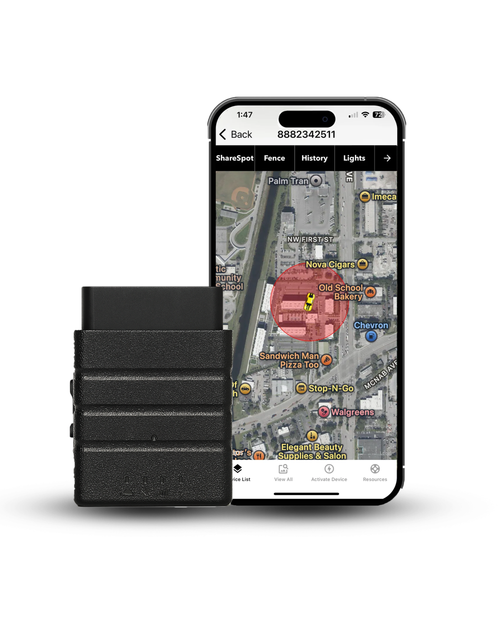
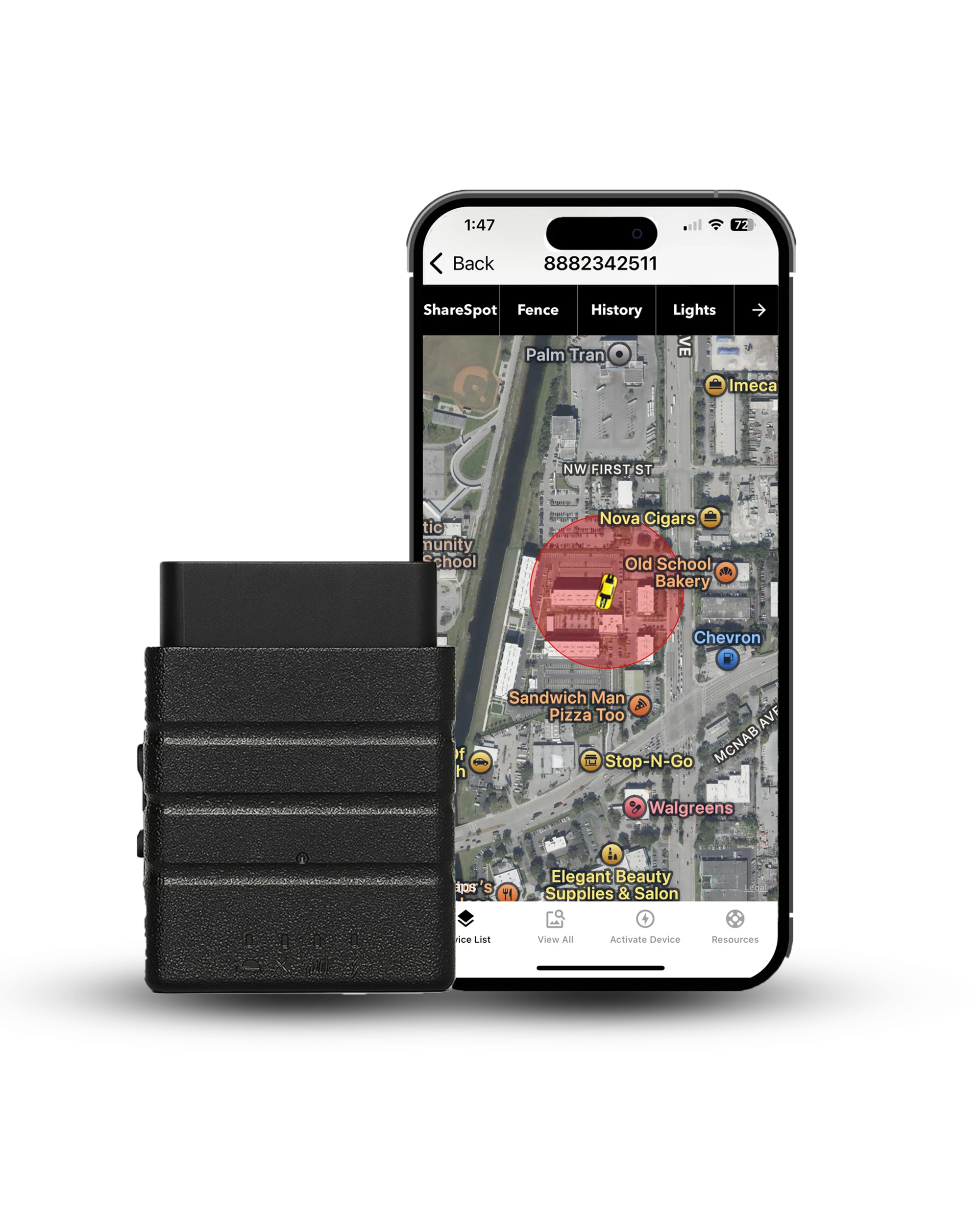
The legal position is simplest when the vehicle is yours and nobody is being kept in the dark. Konnect plugs into the OBD2 port in under a minute and updates every 3 seconds. It sits where anyone driving the car can see it. Lifetime warranty, USA-based support.
As an Amazon Associate, Konnect GPS earns from qualifying purchases.
About the Author

 Buy on Amazon