
How to Tell Your Teen You've Installed an OBD2 GPS Tracker
- 01Lead with safety, not surveillance, when you start the conversation
- 02Pick a calm moment, never right after an argument or an incident
- 03Say exactly what the device records, and what it does not
- 04Frame it as trust-building for a new driver, not punishment
- 05Teens take it far better than they take finding it themselves
Here's something most parents don't expect: installing the tracker is the easy part. That takes under two minutes and needs no tools. The conversation that comes after is where most parents freeze up.
Maybe you've already plugged the device in. Maybe it's still in the box and you're stuck on how to bring it up without starting a fight. Either way you're not alone, and this is one of the most common questions I get from parents who have just bought a tracker for their teen's car.
I'm Ryan Horban, a GPS tracking expert with more than 15 years of experience helping parents, fleet managers and vehicle owners use tracking responsibly. Over the years I've talked with hundreds of families in exactly this situation, and I've seen what works and what backfires badly.
Here is what this guide covers.

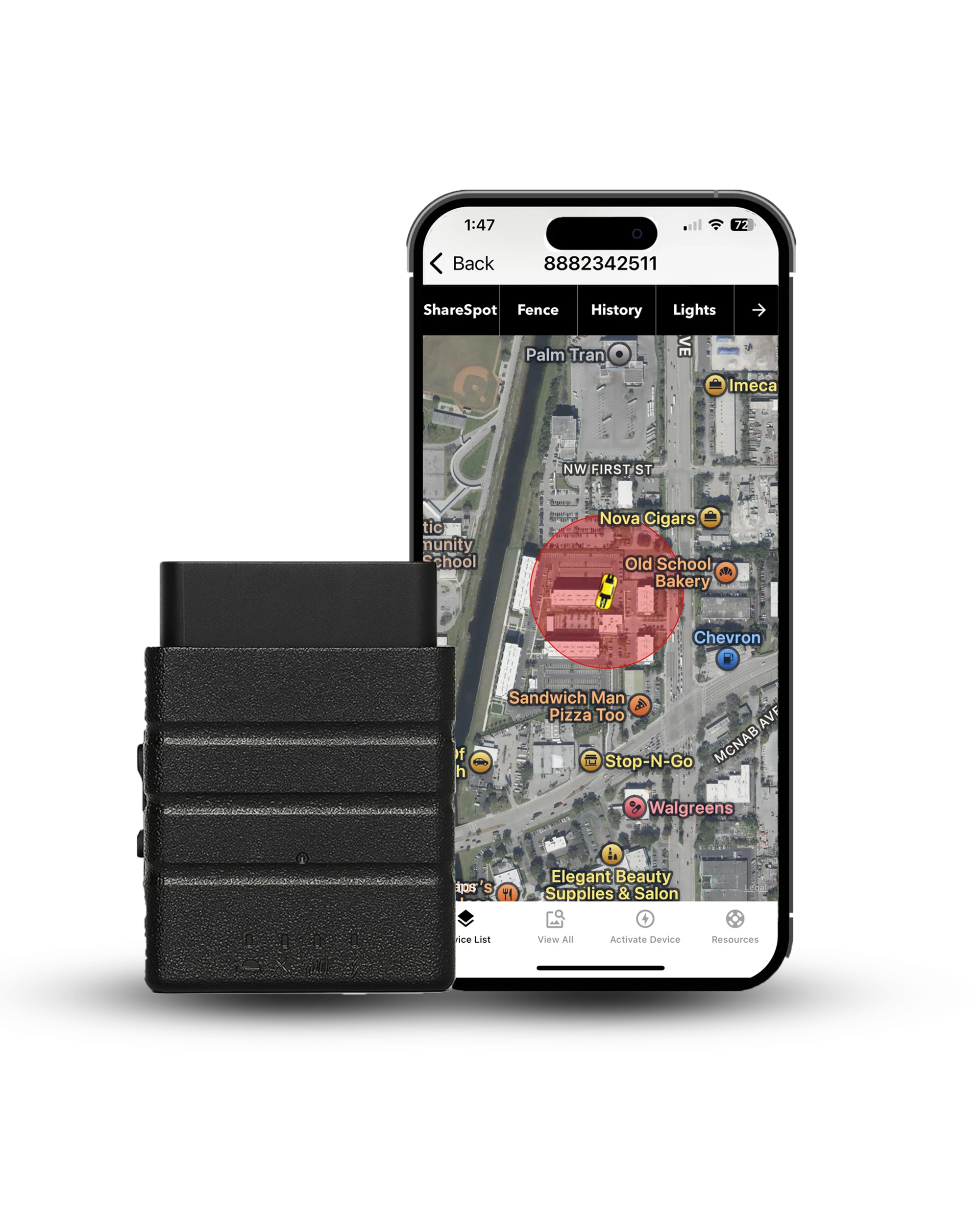
Discover how fast your teen is really driving. Location, speed and trip history, all of it visible to both of you, and nothing running quietly that was not part of the conversation.
- 3 second updates
- Speed alerts
- Curfew and geofence alerts
- 1 year trip history
- No audio or video
- Lifetime warranty
Tell your teen in a calm, honest conversation that frames the tracker as a safety tool rather than a punishment. Explain what the device records, why you installed it, and what would need to happen for it to come off. Teens accept tracking far better when they hear it from a parent than when they discover it themselves, and when the conversation is about accountability rather than control.
Should You Tell Your Teen About the Tracker At All?

Yes. In almost every situation telling your teen is the right move, and not only for ethical reasons.
A teen who knows about the tracker drives more carefully, because they know their behavior is visible. A teen who finds out on their own, usually by spotting the device under the dash or noticing an unfamiliar app, tends to react with anger and a sense of betrayal that has very little to do with the tracker and everything to do with being kept in the dark.
The people who study this professionally reach the same conclusion, and they reach it from the opposite direction to most tracker companies.
The key is mentoring, not monitoring.
Author of Growing Up in Public: Coming of Age in a Digital World and Screenwise. Heitner holds a PhD in Media, Technology and Society from Northwestern and has written for the New York Times, the Washington Post and the Wall Street Journal.
That line is the thesis of her book, and it is worth sitting with even if you have already bought a tracker. Heitner's argument is that covert surveillance breeds secrecy and erodes the trust it was meant to protect, and that teens build judgment by practising independence with support rather than under silent observation. Disclosure is what turns a tracker from surveillance into a shared agreement, which is the entire point of this article.
There is a legal angle too. Many states treat tracking differently depending on whether the person being tracked knows about it. Parents tracking a minor in a vehicle they own are generally on solid ground, but secret tracking still creates trust problems that outlast the legal question.
When Is the Right Time to Have This Conversation?
Timing changes everything. The same words at the wrong moment turn a reasonable safety conversation into a shouting match.

Before the First Drive Alone
If your teen is just getting their license, this is the easiest version of the conversation. Frame the tracker as part of the package, like the car, the insurance and the rules of the road. There is no history of broken trust to overcome, so it lands as a normal part of becoming a driver.
During a Calm, Unrelated Moment
If your teen has been driving a while and you are adding a tracker now, pick a moment when nothing is wrong. Not after a missed curfew. Not during an argument about grades. A quiet evening, a drive together, or a planned sit-down works far better than a charged moment.
Avoid These Three Moments
Don't raise it immediately after catching them in a lie, right before they leave for something they care about, or in front of siblings or friends. Each of those turns a safety conversation into a power struggle, and the tracker becomes the symbol of the fight rather than a tool.
What to Say: A Script That Actually Works
You don't need a perfect speech. Teens spot a rehearsed lecture instantly and it usually makes things worse. What works is being direct, calm and honest about your reasoning.
-
Lead with why, not whatStart with the reason rather than the device. That opens the door without putting your teen on the defensive in the first sentence.
"I've been thinking about safety on the road, and I want to talk to you about something I added to the car."
-
Name the device clearlyDon't dance around it. Vague phrasing like "I added something to keep an eye on things" creates more anxiety than a plain factual statement does.
"I installed a GPS tracker that plugs into the car. The device tracks location, speed, and where the car has been."
-
Say what it tracks, and what it does notThis is where most parents lose credibility. If your teen later discovers the device does more than you said, every future conversation gets harder. Be specific: real-time location and speed, trip history and routes, and alerts if the car leaves an area or drives after a set time. No audio. No video. Nothing recording inside the car.
-
Connect it to something realTeens respond to reasoning far better than to rules. Insurance and emergencies are both concrete and true, which is why they land.
"Insurance for new drivers is expensive, and this can help. That also means if the car breaks down or something happens, I can find you faster."
-
Set expectations for what changesEnd with what is actually different day to day, which for most families is very little. The car works the same. Location and driving data are now visible. Say that plainly so your teen is not waiting for the other shoe to drop.
What If Your Teen Gets Upset?
Some pushback is normal and expected. Here are the three reactions that come up most, and what to say to each.

"You don't trust me."
This is the big one and it deserves a real answer rather than a dismissal. Separate trust in them as a person from experience behind the wheel, because those are genuinely different things.
"This isn't about trusting you as a person. This is about both of us knowing you're okay while you're still building experience. Every new driver benefits from this."
Avoid "if you have nothing to hide, this shouldn't bother you." That framing almost always escalates rather than settles, and it recasts a safety tool as an accusation.
"Are you going to watch everything I do?"
Be honest about your actual habits. If you are not planning to check the app hourly, say so, and then hold to it. A parent who promises restraint and then comments on every trip loses the thread quickly.
"I'm not going to be staring at this all day. The tracker is mainly there for emergencies, for insurance, and so we both know the car is okay."
"This is embarrassing if my friends find out."
More common than parents expect, especially with younger teens. Acknowledge it directly rather than dismissing it as vanity, because to a 16-year-old it is a real social cost.
"I get that. This isn't something we need to announce. This is just part of how the car works now, like wearing a seatbelt."
Children thrive through communication, not control.
The central argument of Growing Up in Public, a national bestseller drawn from hundreds of interviews with teens, parents, educators and clinicians.
Which is why the conversation matters more than the device. A tracker your teen knows about, agreed in advance, is a communication tool. The same tracker installed silently is the thing Heitner is warning about.
Nothing hidden, nothing running silently. The Konnect OBD2 tracker reports location, speed and trip history, and that is the whole list. No audio, no video, nothing inside the car.
Shop the Konnect OBD2 TrackerWhat About Older Teens or College Students?

The conversation changes as teens get older, particularly once they are 17 or 18 and have real independence.
For older teens, frame the tracker around shared responsibility for the vehicle rather than parental oversight. If they contribute to gas, insurance or the payment, tie it to the car rather than to them: as long as this vehicle is registered and insured in our name, it has a tracker, and that is true of any car on the policy.
That framing lands better because it is about the car, not a judgment about their maturity.
For a teen heading to college with a car, this is a natural moment to revisit it, since the tracker becomes genuinely useful for roadside problems and for knowing the car arrived after a long drive.
A Note on Legal Boundaries

Most states allow a parent to install a GPS tracker in a vehicle they own, even when a minor child is the primary driver. The parental safety exception is widely recognized, including in states where it is not spelled out word for word.
The rules can shift once your child turns 18, particularly if they are financially independent or the title changes hands. If you are unsure how this applies where you live, our state-by-state guide covers it.
Mistakes Parents Commonly Make

-
Installing it secretly and hoping
This produces the worst possible outcome if the device is ever found, and devices usually are found. You lose the tracker's benefit and the trust in the same afternoon.
-
Raising it only after an incident
Introducing the tracker the day after a missed curfew makes it a punishment rather than a standard safety measure, and it will be remembered that way.
-
Overstating what it tracks
Even an accidental exaggeration costs you when your teen opens the app and sees it does less, or something different, than you described.
-
Treating it as a one-time talk
Habits and circumstances change. Revisit it as they gain experience, and be willing to say what would make you take the device off.
How the Right Tracker Makes This Conversation Easier

A simple, transparent device makes this whole conversation easier to have. If the tracker does only what you say it does, real-time location, speed, trip history and geofence alerts, there is nothing hidden and nothing to surprise your teen later.
The Konnect OBD2 tracker plugs into the port in under a minute, updates every 3 seconds, and gives you and your teen a view of the same data. Nothing runs quietly in the background that was not part of the conversation you already had.
Conclusion
The goal is not to control every move your teen makes, but to build a habit of safety and honesty that both of you can live with. The disclosure is what makes that possible.
Pick a calm moment. Be specific about what the device does and does not record. Connect it to something real, like insurance or being findable in an emergency. Expect some pushback, because that is normal, and it usually fades once your teen realizes how little has actually changed.
Once the conversation is done, the tracker can quietly do its job, and both of you have one less thing to argue about every time the car leaves the driveway.
Konnect plugs in under a minute and reports every 3 seconds, with speed, curfew and geofence alerts and a full year of trip history. No audio, no video, nothing recording inside the car. Lifetime warranty and USA-based support.
As an Amazon Associate, Konnect GPS earns from qualifying purchases.
About the Author

 Buy on Amazon