Best Surveillance Devices for Cheating Spouse (2026 Guide)
-
01
GPS tracking shows where a car goes without recording voices or video
-
02
Recording a conversation needs consent in many states
-
03
Hidden cameras are illegal in bedrooms, bathrooms, and other private spaces
-
04
Tracking without ownership or consent can bring legal trouble and hurt your case
-
05
Evidence should bring clarity, not rush you into big decisions
Cheaters Spy Equipment: Best Products of 2026
Hey, are you here because something just doesn’t feel right?
When people search for the best surveillance devices for a cheating spouse, it’s usually because stories don’t line up, routines change, and a gut feeling won’t stay quiet.
I’m Ryan Horban, and I’ve spent more than 15 years working in GPS tracking and covert surveillance. When people reach out about a cheating husband, a cheating wife, or a cheating partner, the question is usually the same:
“How do I gather evidence without making things worse?”
So, I made this guide focusing on surveillance devices including GPS tracking, hidden cameras, voice recorders, and motion detection tools that actually help you gather evidence responsibly. I’ll explain what actually works, what creates legal trouble, and how to avoid it so you don’t create new problems while solving old ones.
Ready to uncover the truth? Let's start with the tool most people get wrong, GPS tracking.
SpaceHawk - Best GPS Tracker For Cheating Spouse

 |
|
||||||||
 Buy on Amazon

What Is the Best Surveillance Device for a Cheating Spouse?
Start with a GPS tracker. GPS only shows where a car goes, so it carries far less legal risk than a hidden camera or a voice recorder.
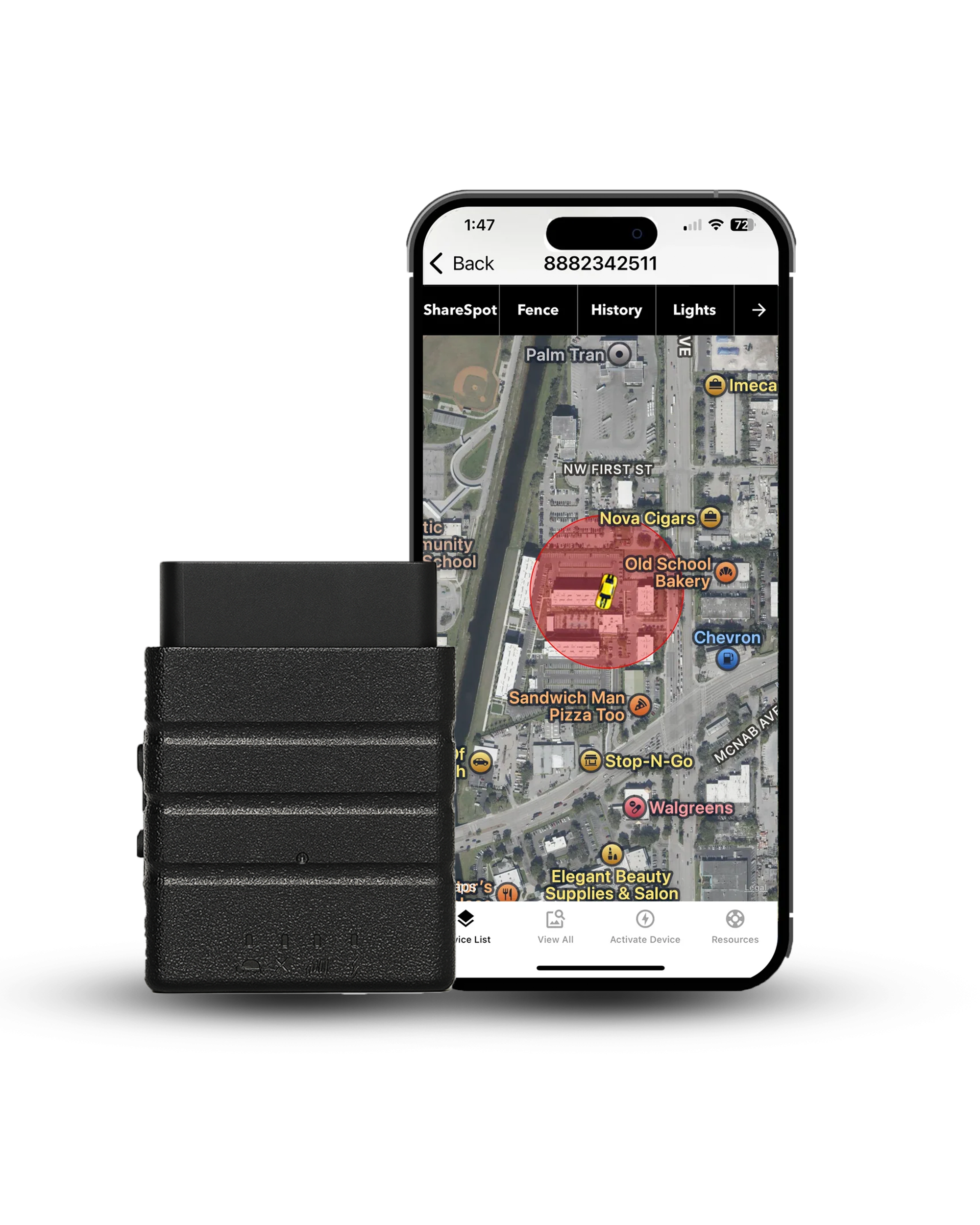
I'm Ryan Horban, and after more than 15 years in GPS tracking, my advice stays the same: track only a car you own, co-own, or have the owner's okay to track. For a battery-powered magnetic tracker, SpaceHawk is my pick. For a plug-in option with nothing to charge, look at the Konnect OBD2 GPS Tracker.
Next, you'll see how a tracker fits into the picture the legal way, and what each device does best.
Surveillance Equipment Disclaimer (Read This First)
Before getting into devices, one point needs to be clear. Surveillance tools are not a license to invade someone’s privacy. Respect for boundaries and staying within the law are non-negotiable.
Laws around tracking, recording, and monitoring vary wildly by location, and misusing these devices can backfire fast, legally and emotionally. I’ve watched people gather information responsibly and get clarity. I’ve also seen situations unravel because someone crossed a line without realizing it.
Use this guide to understand your options, not to act recklessly.
When in doubt, pause. Check local laws or talk with a lawyer before you move forward. With that in mind, here are the surveillance tools that work in real situations, starting with the one that carries the least legal risk.
GPS Tracker for a Cheating Spouse

If there’s one surveillance tool, I usually recommend starting with, it’s a GPS tracker designed for vehicle tracking as well as personal use.
I’ve tested dozens of GPS tracking devices over the years, and they work for one simple reason: movement patterns don’t argue back. You’re not dealing with audio recording, browsing history, or invasive monitoring. Whether the tracker is placed in a car, a backpack, or another personal item, you’re watching where a vehicle goes, how often it returns, and how long it stays put.
Patterns like these build a clearer picture than most people expect.
GPS tracking often feels like the least disruptive first step, and three reasons stand out:
- Reveals repeated locations instead of one-off guesses
- Builds a timeline through continuous monitoring rather than isolated moments
- Avoids many audio recording restrictions that apply to voice recorders and listening devices
Used responsibly, a GPS tracker helps you gather evidence through patterns, not confrontation. And for many people, that difference keeps the situation from escalating too early.
If you want to compare more discreet options before choosing, our guide on Best Hidden Car GPS Trackers breaks down placement, accuracy, and real-world reliability.
How Do You Catch a Cheating Husband or Wife With GPS?
Use a GPS tracker only on a car you own, co-own, or have the owner's okay to track, then look for places that repeat. One odd stop means little. The same address again and again tells a story.
I walk people through six steps, and the order matters.
- Check who owns the car. Look at the title and the registration. If your name is on one of them, you stand on firmer ground. If the car belongs only to your spouse, or to their job, stop here and talk to a lawyer.
- Read your state's rules. Tracking laws change from state to state, and some states have laws written just for tracking devices. Our guides to GPS tracking laws in the USA and GPS tracking laws in California are a good place to start.
- Pick the right type of tracker. Magnetic trackers run on a battery. Plug-in OBD2 trackers use the car's own power. Our OBD2 vs magnetic GPS tracker guide shows which one fits your car.
- Set a few alerts, not a hundred. Pick the places that matter to you, like an address you keep hearing about. Too many alerts turn into noise.
- Keep a simple log. Write down the date, the time, and the address. Short lists of repeat visits are easier to read than a screen full of dots.
- Get advice before you act. Talk to a family law attorney before you confront anyone or share what you found. Judges may not let you use it.
Patterns matter more than any single trip. One late night means nothing. Four late nights at the same address tell you something.
Wait, watch, and write it down before you decide anything.
Is It Legal to Put a GPS Tracker on Your Spouse's Car?
Sometimes, but marriage alone is not enough. The answer depends on who owns the car, whether the owner agreed, and your state's law.
Four questions decide most cases:
- Whose name is on the title? Joint owners usually have a stronger claim than a spouse who owns the car alone.
- Did the owner agree? California Penal Code 637.7 bars using an electronic tracking device to find or follow a person unless the car's registered owner, lessor, or lessee agreed. Our California tracking law guide breaks it down in plain words.
- Is it a company or leased car? Employers and leasing companies own those vehicles, so their consent can matter as much as yours.
- Does it look like stalking? Even when a device is legal, repeated tracking that scares or controls someone can fall under stalking laws, including the federal stalking law, 18 U.S.C. § 2261A.
Lawmakers and judges take tracking seriously for a reason.
Courts add one more layer. Judges can throw out location logs they think were collected the wrong way, and the attempt can hurt you in the case. Our 50-state guide to GPS tracking laws in the USA shows how the rules differ where you live. When ownership is unclear, ask a family law attorney in your state before you place anything.

SpaceHawkGPS: Best Hidden Magnetic GPS Tracker to Catch a Cheating Spouse
If you’re asking me which GPS tracker I trust most in situations involving a cheating spouse, SpaceHawkGPS usually comes out on top.
SpaceHawk is a mini GPS tracker with a powerful magnetic mount and a waterproof case.
The mix suits a vehicle or other asset you own, and it holds up in rain and road spray.
For anyone trying to gather evidence without raising suspicion, that discretion is the whole point. I’ve installed it on personal cars, fleet vehicles, and shared assets, and it holds up where cheaper tracking devices fall apart.
The size stays discreet, the signal stays stable, and the location data stays accurate.
Once it’s in place, the tracker sends real-time location updates through a mobile app. Where the car goes. How long it stays or how often it returns. Repeated stops usually tell you more than any single trip ever could.
 |
|
||||||||
I’ll be straight with you, short stops are often just noise. When the same places show up again and again, the pattern starts to speak for itself.
Go for SpaceHawkGPS, if your goal is understanding movement instead of micromanaging behavior. SpaceHawk Hidden GPS Tracker gives answers without turning the situation into constant monitoring and that balance is why it’s the first tracker I recommend before anything more invasive.
SpaceHawk is not perfect for every driver. It runs on a battery, so you will need to recharge it from time to time, and a plug-in tracker like the Konnect OBD2 never needs charging. If recharging sounds like a chore, start with the plug-in option.
THE FASTEST WAY TO LEARN THE TRUTH!
Check out a customer experience with this GPS car tracker on YouTube

Magnetic, Plug-In, or Phone Sharing: Which Option Fits?
Not every option needs a hidden device. The table below shows how a magnetic tracker, a plug-in OBD2 tracker, and shared phone location stack up.
Read the last row first.
| Magnetic tracker (SpaceHawk) | Plug-in OBD2 tracker (Konnect OBD2) | Phone location sharing | |
|---|---|---|---|
| How it works | Sticks to the car with a magnet | Plugs into the car's OBD2 port | Both people turn on sharing in an app like Find My or Google Maps |
| Power | Battery, so it needs recharging | Runs on the car's power, nothing to charge | Phone battery |
| Best for | Cars, trailers, and other assets you own | A car you own or co-own where the OBD2 port is easy to reach | Couples who agree to share where they are |
| Watch out for | Battery life and where it sits on the car | It only works while it stays plugged in | Either person can turn sharing off |
| Legal footing | Depends on who owns the car and your state's law | Depends on who owns the car and your state's law | Strongest, because both people agree |
Phone sharing sounds too simple, I know. Still, it's the only option here where nobody gets tracked without agreeing.
If you own the car and want nothing to charge, the Konnect OBD2 GPS Tracker plugs into the OBD2 port and sends live location to your phone. For a battery-powered option, SpaceHawk is the one I trust most.
Spy Keychain Voice Recorder (What You Need to Know)
Ever felt the need to discreetly capture conversations?
Spy keychain voice recorders are among the smallest audio recorders people look at when they want conversations captured quietly.
I’ve tested similar mini voice recorders over the years, and size is the main reason they get attention. They easily blend in, don’t draw questions, and don’t feel like obvious spy gear.
This type of digital voice recorder works best in close-range settings. With voice activation, it only records when sound is detected, which helps preserve battery life and storage instead of running continuous recording all day. That also means less useless audio to sift through later.
 |
|
||||||||
Still, audio recorders carry more legal risk than GPS or video-only tools.
Laws around recording conversations vary by location, and using a spy voice recorder without consent can cause serious problems fast. Used carefully, it can capture specific moments. Used carelessly, it can create bigger issues than the ones you’re trying to solve.
If you’re looking at tools that combine location tracking with audio features, our GPS Tracker With Live Audio Monitoring guide walks through how they work
Legal Notice Before You Continue
Please read carefully before proceeding
Audio recording laws vary significantly by state. One-party consent states allow you to record conversations you're participating in.
Two-party (all-party) consent states including California, Florida, Illinois, and Washington, require everyone in the conversation to consent before recording. Recording without required consent can result in criminal charges, not just civil liability.
Verify your state's law at your state attorney general's website before using any audio recording device.
Divine Eagle Mini Spy Cam
The Divine Eagle Mini Spy Cam is a hidden camera built into a working USB charger, which is why it gets attention in cheating partner situations. I’ve tested similar charger-style cameras, and their biggest advantage is simple and they don’t look like spy equipment.
This device records 1080p Full HD video while functioning as a normal charger. No Wi-Fi setup, no apps to manage. Insert a micro SD card, plug it in, and it records automatically. With motion detection, it captures activity only when something moves, which cuts down on useless footage and makes review easier.
 |
Divine Eagle Mini Spy Cam
|
Why This Spy Camera Works in Practice
- Dual Functionality: Charges devices while capturing 1080p Full HD video with a 90° wide view.
- Discreet Look: Looks like a regular USB charger, so it blends into the room.
- Easy Setup: No need for Wi-Fi. Just insert a micro-SD card, plug it in, and recording begins.
- Motion Detection: With 157 detection points, records at the slightest movement.
- Extended Recording: Over 96 hours of video in loop mode or more with motion detection using a 256 GB SD card
Hidden cameras like this work best in shared, non-private spaces. Placement and local laws still apply, especially if audio recording is involved. Used thoughtfully, a hidden spy camera can provide visual context without constant monitoring and sometimes, seeing patterns matters more than catching a single moment.
Below is a real customer experience with this spy camera via Amazon.com
Legal Notice Before You Continue
Please read carefully before proceeding
Hidden cameras are only legal in shared, non-private spaces, common areas, living rooms, and entryways.
Installing a camera in a bedroom, bathroom, or any private space is illegal regardless of who owns the home.
If audio recording is also captured, additional consent laws apply. Confirm what's permitted in your state before placing any hidden camera.

Top Devices for Cheating Partners - According to Security Experts
When suspicion starts building, more tools don’t always mean better answers. The goal is to choose surveillance devices that fit the situation, not to throw everything at the problem at once.
From my experience, most people begin with spy cameras, GPS tracking devices, or digital voice recorders, depending on what information they’re missing. Visual tools help establish what’s happening in shared spaces. Location tracking helps confirm movement patterns. Audio tools exist, but they carry more legal risk and need careful handling.

If you’re trying to decide where to start, here’s a practical breakdown of commonly used options along with when they actually make sense:
Surveillance & Monitoring Tools
Every situation is different. Before choosing any spy gear, take a moment to decide what information actually helps you move forward and which tools might create more problems than they solve.
Important Note: Installing monitoring software on a device you don't own, including a spouse's personal phone, tablet, or work laptop, is illegal under the federal Computer Fraud and Abuse Act (18 U.S.C. § 1030) regardless of your relationship to that person. Even on a shared household computer, legality depends on state law and consent. We do not recommend keylogger software and do not link to it. If digital evidence is needed, consult a licensed attorney or private investigator.
I Caught My Partner Cheating: What Comes Next?
Finding out rarely brings the relief people expect.
I’ve spoken with many people who gathered clear evidence and still felt unsteady afterward. Anger, sadness, confusion, even numbness can all hit at once. I’ve seen this play out again and again, and psychology backs it up. Andrea Bonior, Ph.D., writing for Psychology Today, explains that discovering infidelity often brings intense emotions that can change rapidly.

Feeling off-balance, even when you think you’re prepared, is a normal reaction. Grounded steps help in this moment:
- Focus first on basic needs; sleep, food, and space to think
- Hold off on confrontations until emotions settle
- Share what you’re dealing with privately, not on social media
- Think through next steps before making permanent decisions
Evidence answers questions. Deciding what comes next is still up to you.
What happens after discovery is personal, and there’s no universal timeline. Some people seek closure. Others need distance. Either way, stepping back from surveillance and giving yourself room to process often leads to clearer decisions than reacting in the heat of the moment.
If you're in a situation where your personal safety is a concern whether during a confrontation or in the aftermath of discovery, a personal safety alarm is a simple, discreet tool to have on hand. One pull of the pin triggers a 120dB alarm that attracts immediate attention without requiring you to make a call or unlock a phone.
 |
|
||||||||
If you ever feel unsafe, or think someone is tracking you, call the National Domestic Violence Hotline at 1-800-799-7233 (SAFE). You can also text START to 88788. If you are in danger right now, call 911.
Which Surveillance Device Fits Your Situation? A Practical Comparison

Different situations call for different tools. There isn’t a one-size-fits-all answer here. When people ask how to choose, I usually break it down this way:
- Trying to spot movement patterns over time? GPS trackers handle vehicle tracking and repeat locations without constant monitoring.
- Need visual confirmation in shared spaces? Motion-activated cameras capture activity only when something changes.
- Concerned about conversations or timing? Voice recorders with voice activation can provide context, but only with clear legal awareness.
- Looking for digital behavior clues? Monitoring software or apps may reveal browsing history or usage patterns, though these tools come with higher risk.
- Not sure where to start? Begin with GPS, then talk to an attorney before you add anything else.
Picking the wrong surveillance device often leads to noise, stress, and more questions. Choosing the right one keeps the focus on clarity instead of escalation.
Legal Risks of Using Surveillance Devices on a Spouse
Many people skim this part and later wish they hadn’t. Surveillance laws don’t work on common sense or intent. They work on technical definitions, ownership, and consent. Even when someone feels justified, using the wrong device in the wrong way can trigger legal consequences that outweigh whatever information you gathered.

Four core issues come up most often:
- GPS tracking and vehicle ownership: Placing a GPS tracker on a vehicle you don’t own, or don’t have the owner’s okay to track, can be illegal in many states. Marriage doesn’t change that. We cover it in detail in Is It Legal to Put a GPS Tracker on Your Spouse's Car?
- Audio recording and consent laws: Audio recording carries the highest risk. Many states require consent from one or all parties before recording conversations. Using voice recorders, listening devices, or any audio recording device without proper consent can lead to criminal charges, not just civil issues.
- Hidden cameras and private spaces: Video recording is usually treated differently than audio, but placement matters. Installing a hidden camera or spy camera in private areas like bedrooms or bathrooms is often illegal, regardless of intent. Motion detection doesn’t change that rule.
- Admissibility of evidence: Even if evidence is gathered legally, that doesn’t guarantee it can be used in court. Family law judges often exclude surveillance footage or tracking logs if they believe it violates privacy expectations or escalates conflict.
I’ve seen people collect accurate information and still lose ground in court because of how they got it. Once that happens, there’s no undo button.
Before using any tracking devices, recording tools, or spy equipment, pause and confirm what’s allowed where you live. Short conversations with a lawyer can save months of stress and serious consequences later.
Note: Staying within the law keeps things from getting worse while you look for answers.
Final Thoughts
Looking for answers doesn’t make you reckless. Wanting the truth is human.
I’ve spent years working with this all and the biggest takeaway is this: the right device gives clarity, not chaos. Used thoughtfully, these tools help you understand patterns, confirm concerns, and decide what actually matters to you. Used carelessly, they can create legal trouble and emotional fallout that’s hard to undo.
If you take anything from this guide, let it be this; move slowly, stay within the law, and choose tools that match your situation instead of escalating it. Evidence can help you see clearly, but the next step is always yours to decide.
Whatever you choose, give yourself time, space, and a steady head. Clear decisions come from clarity, not pressure.
If vehicle tracking feels like the right next step, a simple plug-and-play option like the Konnect OBD2 GPS Tracker can offer real-time location updates without complicated installation.
 |
|
||||||||
About the Author