
Can a GPS Tracker Lower Your Car Insurance? Save Up to 40%
Key Takeaways
-
01
GPS trackers can reduce car insurance premiums by 5% to 30%
-
02
Anti-theft discounts require an active GPS tracking device
-
03
Safe driving data often unlocks larger insurance savings
-
04
Not every insurance company offers GPS-related discounts
-
05
Fleet vehicles frequently qualify for higher tracking-based savings
As an Amazon Associate, Konnect GPS earns from qualifying purchases.
Can a GPS Tracker Lower Your Car Insurance? (2026 Real Guide)
Car insurance rates continue to rise, leaving many drivers searching for practical ways to save. A GPS tracker can reduce premiums by 5% to 30% when an insurer recognizes the device as an anti-theft tool or uses driving data to reward safe habits. The largest discounts usually come through telematics-based insurance programs.
I'm Ryan Horban, a GPS tracking expert with more than 15 years of experience testing vehicle tracking systems and helping drivers, families, and fleet owners choose the right solutions. During that time, I've worked with GPS devices used for theft recovery, driver monitoring, insurance reporting, and fleet management.
In this guide, you'll learn how GPS trackers affect insurance rates, which companies offer discounts in 2026, how much drivers typically save, and what steps you can take to improve your chances of qualifying for a lower premium.
Quick answer
Yes, a GPS tracker can lower car insurance premiums by 5% to 30%, depending on your insurance company and the type of tracking system you use. Most discounts come from anti-theft protection or telematics programs that monitor driving habits. Drivers with strong safety records usually qualify for the largest savings.

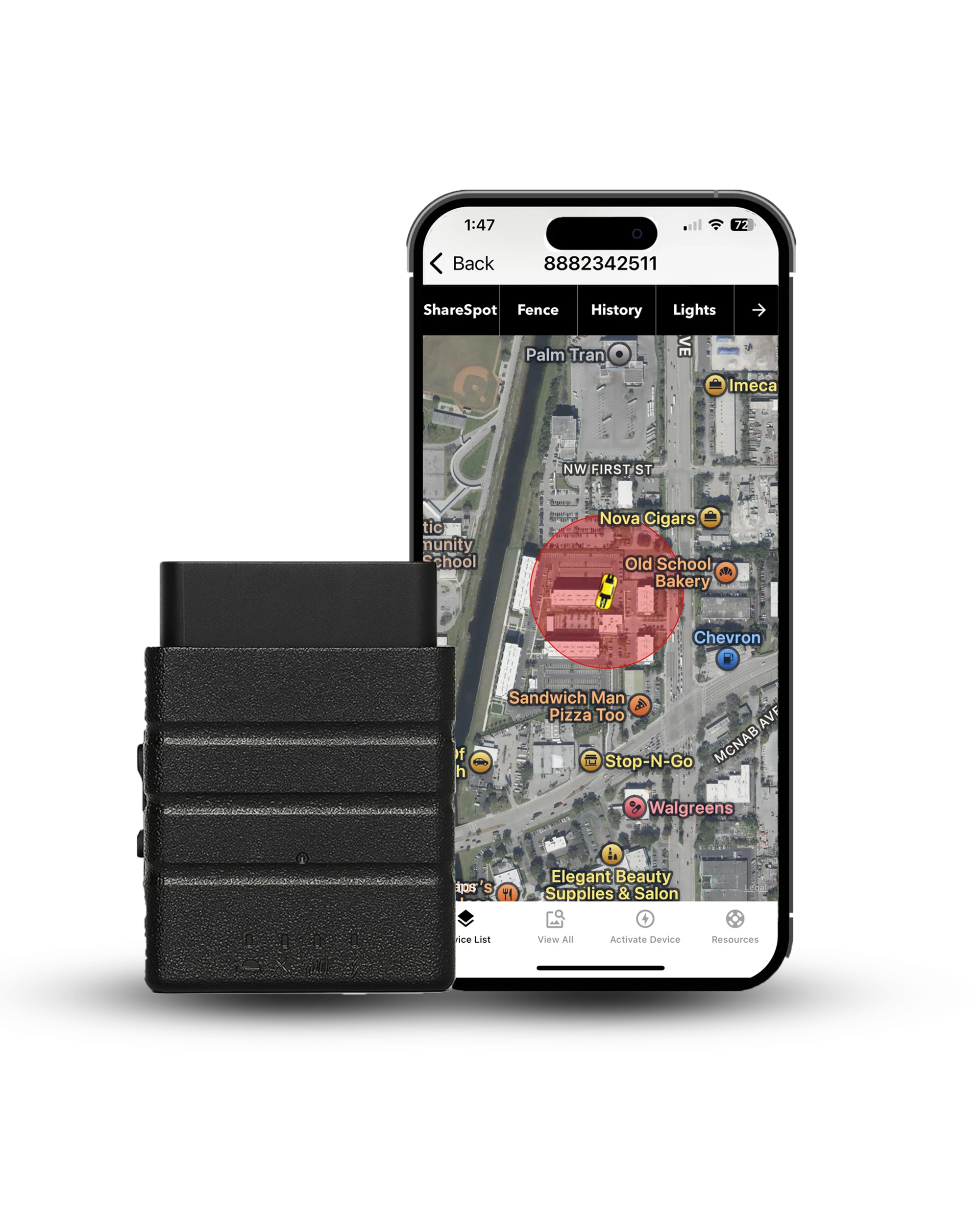
Konnect OBD2 GPS Tracker
Real-time car tracking with 3-second location updates
- Updates every 3 seconds. Many trackers report once a minute.
- Plug and play. Straight into the OBD2 port, no tools needed.
- Worldwide tracking. 150+ countries with dependable real-time updates.
The 2 Ways GPS Tracking Can Lower Your Insurance Costs
GPS tracking can lower insurance costs in two primary ways: anti-theft device discounts and Usage-Based Insurance (UBI) programs. One helps reduce the risk of vehicle theft, while the other rewards safe driving habits using telematics data. Understanding the difference can help you choose the option that offers the greatest savings.
Telematics
The word covers any system that reports data about how a vehicle is being driven, not just where it is. An insurer's telematics program measures things like braking force, acceleration, cornering, time of day, and phone handling, then prices your policy on the result. That is a different job from a GPS tracker, which reports position, trips and speed. The distinction matters, because most insurers only accept data from their own telematics app or plug-in device.
Anti-Theft Device Discounts

Many insurance companies offer a discount when a GPS tracking device helps protect a vehicle from theft. A stolen vehicle equipped with a GPS tracker is often easier to locate and recover, reducing claim costs for insurers.
Because of that, some insurance providers reward customers who install an approved GPS tracking system or car tracker. Discounts typically apply to the comprehensive portion of a car insurance policy and often range from 5% to 15%.
Common reasons insurers offer anti-theft discounts include:
- Faster recovery of stolen vehicles
- Reduced theft-related insurance claims
- Lower replacement costs
- Additional security measures beyond factory alarms
- Access to real-time vehicle location data
For example, if a vehicle is stolen from a parking lot, a GPS tracking system can provide detailed location data that helps law enforcement recover the vehicle before a total-loss claim is filed.
Not every GPS tracker qualifies for an anti-theft discount. Most insurers require proof that the tracking device is active and connected to a subscription service.
Usage-Based Insurance (UBI) Programs

Usage-Based Insurance programs use telematics technology to monitor driving habits and calculate insurance premiums based on actual driving behavior. These programs are offered directly by insurance companies and run on their own app or plug-in device, separate from anything a Konnect tracker records.
Unlike anti-theft discounts, UBI programs focus on how a vehicle is driven. Insurance companies collect telematics data from a mobile app or plug-in device to evaluate risk levels.
The six factors nearly every program measures:
Safe drivers often receive the largest discounts because telematics programs reward lower-risk behavior. Many insurance companies offer usage-based car insurance programs that can reduce insurance premiums by 10% to 30%.
Privacy remains a consideration. Usage-based insurance programs collect detailed information about driving patterns, vehicle usage, and location data over time.
Progressive discloses that roughly 20% of Snapshot participants end up paying more after enrollment rather than less. A telematics program is not a one-way bet.
Source: Progressive's own program disclosure, reported in Bankrate's 2024 telematics analysis.
Which Option Saves More Money?
Usage-based insurance programs usually provide larger savings than anti-theft discounts because insurers can directly measure driver risk through telematics data.
| Feature | Anti-theft GPS discount | Usage-based insurance program |
|---|---|---|
| Typical savings | 5% to 15% | 10% to 30% |
| Primary benefit | Theft prevention | Safe driving rewards |
| Uses GPS tracking | Yes | Yes |
| Tracks driving habits | No | Yes |
| Monitors hard braking | No | Yes |
| Can raise your rate | No | With some insurers, yes |
| Privacy concerns | Low | Higher |
| Best for | Vehicle security | Lower insurance premiums |
Drivers focused on protecting a vehicle from theft may benefit from an anti-theft discount alone. Drivers with strong driving habits often save more through usage-based insurance programs because insurers reward safe behavior with larger premium reductions.
Some customers qualify for both, creating an opportunity to lower insurance costs even further. A GPS tracker that supports theft recovery and trip reporting can provide value beyond insurance savings through vehicle monitoring, faster recovery, and quicker access to critical vehicle data.
Which Insurance Companies Offer GPS or Telematics Discounts in 2026?
Many insurance companies offer discounts through telematics programs that monitor driving habits. Savings vary depending on the insurer, driving history, miles driven, and driving behavior recorded through telematics devices or mobile apps. The column that catches people out is the last one.
| Insurance company | Program | Maximum discount | Can the program raise your rate? |
|---|---|---|---|
| Nationwide | SmartRide | Up to 40% | No. Discount-only program |
| Allstate | Drivewise | Up to 40% | Yes, for unsafe driving |
| State Farm | Drive Safe & Save | Up to 30% | No. Not offered in CA, MA or RI |
| Liberty Mutual | RightTrack | Up to 30% | Yes, for unsafe driving |
| Progressive | Snapshot | Around 30% advertised | Yes. About 1 in 5 pay more |
| GEICO | DriveEasy | Up to 25% | Yes, for unsafe driving |
Actual savings vary depending on location, driving history, vehicle type, and other factors. Some customers receive smaller discounts, while safe drivers may qualify for the maximum advertised savings.
Typical real-world telematics savings, according to the Consumer Federation of America, against advertised maximums that reach 40%.
Source: Consumer Federation of America 2024 study on usage-based insurance.
Progressive Snapshot

Progressive Snapshot allows drivers to earn discounts based on driving behavior. The program uses telematics technology to monitor habits such as hard braking, speeding, phone use, and miles driven.
Progressive publishes average savings rather than a headline percentage, reporting that safe drivers save an average of $322 at renewal. Snapshot also carries the clearest downside risk on this list, since Progressive states that around one in five participants pays more after enrollment. Drivers who work nights, brake hard in traffic, or handle a phone at the wheel should think twice.
Nationwide SmartRide

Nationwide SmartRide offers one of the largest advertised telematics discounts among major insurance companies. The program evaluates driving behavior using factors such as mileage, acceleration patterns, hard braking, idle time, and driving frequency.
Safe drivers may qualify for discounts of up to 40%, and there is an enrollment discount before any driving data comes in. The important part is that Nationwide does not use the data to raise premiums, which makes SmartRide close to a risk-free program to try.
State Farm Drive Safe & Save

State Farm Drive Safe & Save rewards drivers for maintaining safe driving habits. The program uses telematics data to monitor factors such as mileage, acceleration, braking, cornering, and overall driving consistency.
Most participants receive an initial enrollment discount, with additional savings based on driving performance over time. Depending on the vehicle, State Farm may collect data through a connected car system, mobile app, or approved telematics technology. Like Nationwide, the program will not raise your rate, though it is unavailable in California, Massachusetts and Rhode Island.
GEICO DriveEasy

GEICO DriveEasy calculates discounts using driving data collected through a mobile application. The program evaluates several risk indicators, including phone use while driving, braking behavior, speed management, cornering, and trip consistency.
Drivers who demonstrate safe driving habits may qualify for discounts of up to 25%, although actual savings vary by state and individual driving history. DriveEasy sits in the group of programs that can push a premium up as well as down.
Liberty Mutual RightTrack

Liberty Mutual RightTrack differs from many telematics programs because drivers are monitored during a limited evaluation period rather than continuously. The program focuses on behaviors such as hard braking, nighttime driving, and overall driving patterns.
After completing the monitoring period, eligible drivers can earn discounts of up to 30%. Many participants prefer this structure because driving data is collected for a specific timeframe instead of throughout the life of the policy, though the score you finish with can still work against you.
Ask this before you buy anything
Contact your insurance company and ask which tracking devices or programs qualify for a discount, and whether the program can raise your rate as well as lower it. Some insurers recognize third-party GPS tracking systems, while others only accept data collected through their own telematics devices or mobile apps. A five-minute phone call decides whether a purchase is worth making.
How Much Can You Save With a GPS Tracker?
A GPS tracker can help reduce insurance premiums by 5% to 30%, depending on the insurance company, driving habits, vehicle type, and participation in a usage-based insurance program. Anti-theft discounts typically produce smaller savings, while telematics programs often generate larger reductions for safe drivers.
The amount you save will vary depending on factors such as driving history, miles driven, vehicle risk, location, and how an insurer uses telematics data.
Average Savings by Driver Type
Different drivers see different results from GPS tracking and telematics programs.
| Driver type | Typical savings range |
|---|---|
| Teen driver | 10% to 30% |
| Daily commuter | 5% to 25% |
| Family driver | 5% to 20% |
| Safe driver | 15% to 30% |
| Fleet owner | 10% to 35% |
Teen drivers often benefit the most because insurance premiums are usually higher to begin with. A GPS tracking device that records safe driving habits can help demonstrate lower risk over time.
Fleet vehicles can also qualify for significant savings. Fleet managers use GPS tracking systems to monitor driver safety, vehicle performance, fuel costs, vehicle maintenance schedules, and unauthorized vehicle use. Fewer accidents and fewer claims often lead to lower insurance costs.
Real Insurance Savings Example
A realistic example helps show how a GPS tracking discount can affect annual insurance costs.
| Item | Amount |
|---|---|
| Annual auto insurance premium | $2,000 |
| Anti-theft discount (10%) | -$200 |
| Telematics discount (15%) | -$300 |
| Total annual savings | -$500 |
| New premium | $1,500 |
In this example, a driver saves $500 per year through a combination of anti-theft and safe-driving discounts.
Actual results vary depending on the insurance provider, driving record, vehicle type, and state regulations. Some customers receive smaller discounts, while others earn larger reductions after demonstrating safe driving behavior for several months.
Does a GPS Tracker Pay for Itself?
In many cases, yes. A Konnect tracker costs $39.95 up front with an $8.95 monthly plan, which comes to $147.35 across a full first year. A driver paying $2,000 a year for car insurance who saves $300 to $500 through anti-theft and usage-based discounts is still well ahead after covering the tracker.
The no-monthly-fee version at $199 removes the running cost entirely, so any discount you earn from the second year onward is money kept rather than money recovered.
Theft recovery works whether or not the discount does
Even where an insurer declines to give a discount, the tracker still shortens the gap between a car being taken and police having an address. The Konnect OBD2 tracker plugs in under the dash in about ten seconds and refreshes location every 3 seconds.
When a GPS Tracker Won't Lower Your Insurance
A GPS tracker does not automatically qualify a vehicle for an insurance discount. Many people assume installing a tracking device guarantees lower premiums, but insurance companies evaluate several factors before offering savings. Understanding these limitations can help avoid unrealistic expectations.
Where buyers go wrong
Buying a tracker first and asking about the discount afterwards. Plenty of insurers only recognize data from their own app or plug-in device, so a third-party tracker earns nothing on the telematics side no matter how good it is. The receipt is already spent by the time anyone finds out.
How to get it right
Call the insurer before you buy and ask three things: do you offer an anti-theft discount, do you accept third-party devices, and can this program raise my rate. Buy on the answers, and treat the tracker's theft-recovery value as the part you keep regardless.
Your Insurer Doesn't Offer Discounts

Some insurance providers simply do not offer GPS tracking discounts. Many insurance companies focus exclusively on their own telematics programs and may not recognize third-party GPS tracking devices. Others provide discounts only for approved anti-theft systems.
Before purchasing a car tracker, contact your insurance company and ask:
- Do you offer GPS tracking discounts?
- Do you offer usage-based insurance?
- Which tracking devices qualify?
- Is proof of installation required?
A quick phone call can prevent unnecessary expenses.
A Poor Driving Score Limits Your Savings

Telematics programs reward safe driving behavior. Poor driving habits can reduce savings or eliminate them entirely.
Common behaviors that negatively affect telematics scores include:
- Hard braking
- Excessive speeding
- Frequent phone use while driving
- Aggressive acceleration
- Late-night driving
- High annual mileage
Some insurers use telematics data to calculate future risk. Drivers with high-risk patterns may receive smaller discounts than expected. A GPS tracking system can collect detailed information, but the results depend on how the vehicle is driven.
State Restrictions and Program Availability

Not every insurance program operates nationwide. Usage-based car insurance programs vary depending on state regulations, insurance rules, and company policies. A discount available in one state may not be available in another, and State Farm's Drive Safe & Save is a good example, since it is unavailable in three states.
Program availability can also depend on:
- Vehicle age
- Vehicle compatibility
- Mobile app requirements
- Insurance provider participation
- Local insurance regulations
Most insurers publish program details on their websites, but availability changes regularly. Confirm eligibility before enrolling in any telematics program or purchasing a GPS tracking device specifically for insurance savings.
A GPS tracker remains useful for theft prevention, vehicle location monitoring, and driver accountability even when an insurance discount is unavailable.
Call your insurer before you buy anything. Half the discounts people expect only pay out on the insurance company's own device, and a tracker bought on that assumption never earns the money back.
Can GPS Tracking Help With Insurance Claims?
Yes, GPS tracking can help support insurance claims by providing location data, trip history, timestamps, and driving records. During an accident, vehicle theft, or liability dispute, a GPS tracker can supply information that helps insurers verify what happened and when it occurred.
While GPS data does not automatically determine fault, many insurance companies use tracking records alongside police reports, witness statements, and other evidence during claim investigations.
Accident Reconstruction

GPS tracking can help an insurer verify what happened before an accident by creating a record of vehicle activity leading up to the collision. Depending on the device, records may include vehicle location, route history, travel times, speed data, and trip details.
For example, if another driver claims you were speeding or traveling on a different road, GPS records may help confirm where the vehicle was and how it was being driven shortly before the incident. Insurance companies often review this information alongside police reports and witness statements when investigating claims.
Theft Recovery Claims

GPS tracking can significantly improve the chances of recovering stolen vehicles. When a theft occurs, law enforcement can use real-time vehicle location data to locate the vehicle more quickly. Faster recovery often reduces claim costs, vehicle replacement expenses, and repair bills.
Benefits during theft claims include:
- Faster vehicle recovery
- Reduced insurance losses
- Verification of theft timelines
- Accurate vehicle location records
- Better documentation for insurers
For vehicle owners, recovering a stolen car within hours or days is often far better than waiting through a lengthy total-loss claim process.
Disputed Liability Cases

GPS history records can become valuable evidence when fault is disputed after an accident. Insurance companies frequently investigate situations where drivers provide conflicting accounts.
GPS tracking data can help verify:
- Vehicle location at a specific time
- Route traveled
- Direction of travel
- Trip duration
- Arrival and departure times
GPS tracking cannot replace police reports or eyewitness testimony, but detailed location data often adds another layer of evidence during complex insurance investigations. In some cases, access to accurate trip records can help resolve claims faster and reduce the risk of fraudulent claims.
GPS Tracking for Teen Drivers
GPS tracking can help teen drivers develop safer driving habits while creating opportunities for insurance savings. Many insurance companies view young drivers as higher-risk policyholders because of limited driving experience, which often leads to higher insurance premiums.
A GPS tracking device provides visibility into driving behavior, allowing families to identify risky habits before they lead to accidents, violations, or costly claims.
Can Teen Drivers Get Insurance Discounts?

Yes, teen drivers can qualify for insurance discounts through telematics programs and safe-driving initiatives offered by many insurance companies.
Programs from insurers such as Progressive, State Farm, Allstate, GEICO, and Nationwide use telematics data to evaluate driving behavior rather than relying solely on age and driving history. State Farm also runs a separate program aimed specifically at drivers under 25.
A teen driver who consistently demonstrates safe driving habits may qualify for lower insurance premiums over time. Some insurers also offer separate good student discounts, which can be combined with telematics-based savings depending on the policy.
Because program rules vary depending on the insurance company and state, parents should contact their insurer directly to confirm eligibility requirements.
How Parents Use GPS Data to Encourage Safer Driving

Many parents use GPS tracking as a coaching tool rather than a monitoring tool. A GPS tracking system can help families identify patterns that deserve attention, such as repeated speeding or frequent late-night driving. Instead of waiting for a traffic ticket or accident, parents can discuss those behaviors early and build safer habits.
Common ways parents use GPS data include:
- Reviewing weekly trip reports together
- Setting speed alerts
- Monitoring vehicle location during trips
- Discussing unsafe driving events
- Tracking progress over time
For example, a parent may notice several speed alerts during a week. A short conversation about following distance and traffic awareness can help reduce future incidents.
Over time, many teen drivers become more conscious of their decisions when they know performance is being measured. Fewer risky behaviors can lead to fewer accidents, a cleaner driving record, and better opportunities to qualify for insurance discounts in the future.
GPS Tracking for Small Businesses and Fleets
GPS tracking helps small businesses lower operating costs, improve driver accountability, and strengthen fleet safety programs. Many insurance companies also reward businesses that actively monitor fleet vehicles because tracked fleets often generate fewer claims and recover stolen vehicles more quickly.
For companies managing multiple vehicles, a GPS tracking system can deliver value through lower insurance costs, better vehicle visibility, and improved operational efficiency.
Fleet Insurance Discounts

Many insurance providers offer fleet insurance discounts when businesses use GPS tracking technology to reduce risk. Insurance companies favor tracked fleet vehicles because fleet managers can monitor vehicle location, maintenance schedules, and unauthorized vehicle use. Better oversight often leads to fewer claims and lower insurance costs.
Businesses may qualify for discounts when a GPS tracking system helps:
- Reduce accident frequency
- Improve driver safety
- Recover stolen vehicles
- Verify vehicle usage
- Support fleet compliance programs
The exact discount varies depending on fleet size, driving history, industry, and insurance provider requirements.
Reducing Accident Risks

GPS tracking helps fleet managers identify unsafe driving habits before they lead to accidents. Access to trip and speed data makes it easier to spot patterns that increase risk and address them through coaching or training.
For example, a driver who frequently speeds or takes unexplained detours may face a higher chance of being involved in a collision. A GPS tracking system can surface those patterns early, allowing managers to take corrective action before they result in vehicle damage, injuries, or insurance claims.
Many fleets also use driver scorecards to measure performance and encourage safer habits across the organization. Over time, better driving behavior often leads to fewer accidents, lower claim frequency, and reduced insurance costs.
Theft Prevention and Asset Recovery

Vehicle theft creates significant costs for businesses, especially when commercial vehicles carry tools, equipment, or inventory.
A GPS tracking device provides real-time vehicle location data, allowing fleet managers to respond quickly when a vehicle moves unexpectedly or leaves an approved area.
GPS tracking supports theft prevention through:
- Real-time vehicle tracking
- Geofence alerts
- Unauthorized movement notifications
- Location history records
- Faster stolen vehicle recovery
Recovering a stolen vehicle quickly can prevent costly downtime, replacement expenses, and insurance claims. Many businesses also use GPS tracking systems to monitor trailers, equipment, and other valuable assets. Better visibility reduces losses and helps companies maintain control over assets across multiple job sites and service areas.
Businesses that want a deeper look at theft prevention strategies can also explore our guide to fleet GPS tracking devices, which explains how real-time monitoring, geofencing, and recovery tools work together to reduce vehicle theft risks.
For insurers, fewer theft-related claims and stronger fleet oversight translate into lower risk. That is one reason many insurance providers encourage GPS tracking adoption among commercial fleets.
Privacy Risks to Understand Before Sharing Driving Data
Sharing driving data can help lower insurance premiums, but many drivers don't fully understand how telematics programs collect, store, and use personal information. Before enrolling, review the program's privacy policy and understand exactly what data you're agreeing to share.
Insurance discounts can be valuable, but drivers should evaluate whether the potential savings justify the amount of information being collected.
What Data Insurers Collect

Most telematics programs collect more than vehicle location data. Depending on the insurer, data collection may include miles driven, driving times, speeding events, hard braking, rapid acceleration, phone use, trip frequency, and route history.
Some insurance companies also combine telematics data with information from a vehicle's computer to create driver risk profiles that influence future insurance decisions.
Can Insurance Companies Raise Rates?

Yes, and the split between insurers is worth knowing before you enroll. Allstate, GEICO, Progressive, Liberty Mutual and Travelers can all increase a premium when telematics data shows risky habits. State Farm, Nationwide, American Family, Farmers and USAA run discount-only programs, where the worst outcome is earning nothing.
Drivers who frequently exceed speed limits, brake aggressively, drive late at night, or use a phone while driving may receive smaller discounts or lose discount eligibility altogether. Before enrolling, ask a simple question: can participation in this program increase my rates? The answer varies by insurer and by state.
Who Owns Your Driving Data?

In most cases, the insurance company controls data collected through its telematics program. That data may be stored for underwriting, claims investigations, fraud prevention, risk analysis, and program administration.
Before signing up, review:
- How long driving data is stored
- Whether data can be shared with third parties
- Whether customers can request data deletion
- What happens after leaving the program
- Whether location tracking continues when the program ends
Many drivers skip these details and focus only on the discount.
How to Protect Your Privacy Before Joining a Telematics Program

Not all telematics programs operate under the same rules. Several states, including California, Colorado, Connecticut, Virginia, and Utah, have stronger consumer privacy laws that give residents additional rights over personal data access, correction, and deletion.
Before enrolling, take a few minutes to:
- Read the insurer's privacy policy.
- Confirm how driving data will be used.
- Ask whether data can be sold or shared.
- Review opt-out procedures.
- Understand how long records remain on file.
For some drivers, a 10% to 20% discount easily outweighs privacy concerns. Others may prefer a GPS tracker used for theft recovery and vehicle monitoring without participating in a full telematics program. The right choice depends on your comfort level with data sharing and the amount of savings being offered.
How to Get a GPS Tracker Insurance Discount
Getting a GPS tracker insurance discount usually requires four steps: installing a qualifying device, confirming eligibility with your insurer, submitting documentation, and comparing available programs. Completing each step before your policy renewal gives you the best chance of securing lower insurance premiums.
Install a GPS Tracker
Pick a device that reports vehicle location, trip history and theft recovery tools, then confirm your insurer accepts third-party systems before you order.
Contact Your Insurance Provider
Ask what discounts exist, whether they are anti-theft or telematics based, and whether the program can raise your rate as well as lower it.
Submit Proof of Installation
Send the receipt, subscription confirmation or installation verification early, so the discount lands before your renewal rather than after.
Compare Multiple Quotes
Discount amounts vary widely between carriers, so a small saving with one insurer can be a much larger one with another.
Install a GPS Tracker

Start by installing a GPS tracker that supports vehicle tracking and reporting features. Konnect GPS provides real-time vehicle location, trip history, speed and geofence alerts, and theft recovery tools that may help support discount eligibility with some insurance providers.
Before purchasing any device, check whether your insurer accepts third-party GPS tracking systems or requires participation in a specific telematics program.
Contact Your Insurance Provider

After activating the GPS tracker, contact your insurance company and ask about available discounts. Some insurers offer anti-theft discounts, while others focus on usage-based insurance programs that use telematics data to evaluate driving habits.
A short conversation with your insurance representative can clarify eligibility requirements and prevent spending money on a device that does not qualify for savings.
Submit Proof of Installation

Most insurance companies require documentation before applying a discount. Depending on the provider, this may include a purchase receipt, subscription confirmation, installation verification, or vehicle information linked to the tracking device.
Providing the required documents early can help avoid delays during policy reviews and renewals.
Compare Multiple Quotes

If your current insurer offers limited GPS tracking discounts, compare quotes from other providers. Insurance companies evaluate telematics technology differently, and discount amounts can vary significantly from one company to another.
A driver who qualifies for a small discount with one insurer may receive much larger savings through another provider's telematics program. Taking time to compare options often produces better results than automatically renewing an existing policy.
Conclusion
The Bottom Line
A GPS tracker can lower car insurance premiums, but savings depend on the insurance company, driving habits, and the type of program available. Anti-theft discounts often provide modest reductions, while usage-based insurance programs can deliver larger savings for drivers who consistently demonstrate safe driving behavior. Check whether your chosen program can also raise your rate before enrolling.
Beyond potential discounts, GPS tracking offers additional benefits through vehicle security, theft recovery, and access to valuable trip data. Those advantages can help reduce risks, support insurance claims, and provide greater visibility into how a vehicle is used.
Before purchasing a GPS tracking device, contact your insurance provider to confirm eligibility requirements and available programs. A few minutes of research can help you find the right combination of GPS tracking technology and insurance discounts, allowing you to reduce costs while improving vehicle protection at the same time.
Before you put a tracker on a vehicle
Everything on this page assumes the vehicle is yours, or your company's. Placing a tracker on a car you do not own, or monitoring another adult without their agreement, is a crime in several states. For company vehicles, give drivers advance written notice, which several states require outright. With a teen driver, telling them the tracker is there is also what makes it work as a coaching tool rather than a discovery.
This page is general information rather than legal or financial advice. Insurance rules vary by state, so confirm details with your insurer and speak with a professional about your own situation.
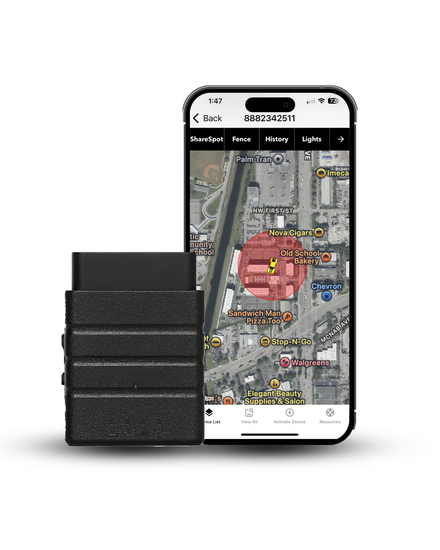
Theft recovery, trip reports, and real-time tracking in one device
Konnect OBD2 plugs in once and delivers 3-second real-time updates, geofencing alerts, speed alerts and trip history that support theft recovery and insurance conversations. $39.95 with an $8.95 unlimited plan, or $199 once with no monthly fee at all.
About the Author

 Buy on Amazon