
GPS Tracking Laws in the USA (2026) | State-by-State Guide
-
01Tracking without ownership or consent is illegal and can lead to serious penalties
-
02Employers need written consent before tracking employees or vehicles
-
03Law enforcement requires a warrant to place a GPS tracker
-
04Parents can track minors, but adult consent laws apply after age eighteen
-
05GPS tracking laws change often — always verify current state rules
GPS Tracking Laws in the USA (State-by-State, 2026)
Can you legally track someone's car in your state?
Maybe it's your teenager's new ride. Or a company vehicle you're responsible for. Heck, maybe even your spouse's car.
The short answer is… sometimes.
But here's the thing — knowing the law isn't just about staying legal. It's about keeping yourself out of trouble, avoiding fines, and making smart choices that don't backfire.
So, what's actually allowed? And what could get you into hot water?
I'll walk you through federal rules, state-specific laws, penalties, and consent requirements. You'll see exactly what's legal, what could land you in trouble, and how to protect yourself before placing a tracker on any vehicle.
By the end of this guide, you'll have all the answers — and feel confident navigating GPS tracking laws in the USA like a pro. No guessing. No confusion.
Federal GPS Tracking Laws: What You Need to Know
Let's keep it simple. The U.S. government does regulate GPS tracking — especially for police. But when it comes to private use? The lines get blurry fast.
So if you're asking, "Can I put a tracker on someone's car?" The real answer is: It depends on who you are and why you're doing it.
- Are you a cop? You probably need a warrant.
- A parent tracking a minor? Usually legal.
- A jealous partner tracking without consent? That's a legal landmine.
This stuff isn't always black-and-white. But don't worry — I'll break it down for you below with clear examples and real federal laws. You'll know exactly what's allowed and what could get you sued or arrested.
A. Case Law: The Two Big Supreme Court Rulings
- Police placed a GPS tracker under a suspect's car without a warrant and tracked him for 28 days.
- The Supreme Court ruled this was an unconstitutional search under the Fourth Amendment.
This case was about cell site location data, but it has big implications for GPS too.
- Police accessed 127 days' worth of cellphone location records without a warrant.
- The Supreme Court ruled that accessing historical location data requires a warrant due to privacy rights.
B. Federal Statutes That Matter
Here are the laws that govern electronic surveillance at the federal level:
Prohibits intercepting electronic communications without consent. This may apply if GPS data is transmitted via cellular. View statute
Protects against unauthorized access to electronic data. Some GPS logs or live feeds could fall under this umbrella.
Covers stored location data like GPS logs on cloud servers or apps.
These laws mostly apply to government use, but they set the tone for privacy expectations across the board.
C. What About Law Enforcement?
Law enforcement agencies are bound by the Fourth Amendment, which protects against unreasonable searches. They need a warrant to place a GPS tracker or pull historical GPS/cell data in most situations.
Exceptions include:
- Consent given by the driver or car owner
- Exigent circumstances (immediate danger, abduction cases, etc.)
- Use of GPS by federal agencies under specific legal provisions (e.g., Title III surveillance)
D. What About Private Use — Like Tracking Your Teen or Spouse?
Here's where it gets tricky. Federal law doesn't explicitly ban private GPS tracking if:
- You own the vehicle (or are a legal guardian)
- The device doesn't intercept communications
- You're not using it to commit a crime or stalk someone
But… you can still get into legal trouble at the state level, especially if there's no consent involved or if the person has a reasonable expectation of privacy.
What's New in 2026?
Wondering what's changed this year in GPS tracking laws? You're not alone. Even if you thought you had a handle on federal and state rules, 2026 has brought some interesting updates.
Recent Legal Trends
This case tackled driver data enforcement. The takeaway? Companies collecting location data now face tighter scrutiny.
Law enforcement agencies in some states are updating how they handle GPS tracking, especially regarding warrants and consent.
Several states have clarified rules about when consent is needed for tracking employees, customers, or even family.
Why It Matters
- Penalties and enforcement are evolving fast. What might have been a minor fine last year could now carry more serious consequences.
- Have you checked if your state has updated its rules this year?
- If not, you could be caught off guard. Staying informed is necessary if you're using GPS trackers for fleet management, family, or personal use.
Common GPS Tracking Myths (And What the Law Really Says)
I've heard these myths more times than I can count. Let's bust them — before they land you in legal trouble.
Not so fast. Just owning the car doesn't give you the right to track whoever hops inside. If you're tracking someone without their knowledge or consent, it could violate state laws — even if it's your car. Parents can usually track minor kids, but even that has rules.
Wrong again. Most states say: no consent = no tracking. Even if the phone or truck belongs to your company, you'll still need clear notice, a signed GPS policy, and transparent usage. Skip that and you risk fines, lawsuits, and employee blowback.
They usually do. Thanks to big Supreme Court rulings like U.S. v. Jones and Carpenter v. United States, police must get a warrant to track someone's car or phone in most cases. So if even the cops need permission, you definitely do too.

- Tracking without consent can be charged as stalking or illegal surveillance
- Employers must follow state-specific employee GPS tracking laws
- Federal rules apply nationwide — you're not exempt just because you're in Florida or Texas
Still unsure what's legal? You're not alone. GPS laws are tricky, but staying informed keeps you safe.
State-by-State GPS Tracking Laws (50-State Hub)
Want to know where your state stands? See it at a glance. Some states are lenient, others are strict, and a few are downright tricky.

01 Alabama +
If you live in Alabama and you're thinking about sneaking a GPS tracker onto someone's car — don't. The state treats it as stalking, and the penalties are heavy.
- Non-consensual trackingIllegal — treated as electronic stalking
- Owner exceptionYes — track your own car; parents may track minor children
- Employer rulesTracking company vehicles is allowed, but notify employees first
- PenaltiesMisdemeanor fines or jail; felony charges for serious cases
- Law enforcementWarrant required
- Official statuteAla. Code § 13A-6-96 and § 13A-6-95
02 Alaska +
Alaska takes privacy seriously. If your GPS use makes someone scared, you could end up charged with stalking.
- Non-consensual trackingIllegal if it causes emotional distress or fear
- Owner exceptionYes — track your own car, truck, or property
- Employer rulesNever do it in secret; always get written consent
- PenaltiesFalls under AS § 11.41.270 (Stalking in the Second Degree)
- Law enforcementWarrant required
- Official statuteAlaska Statutes § 11.41.270
03 Arizona +
In Arizona, GPS tracking can cross the line quickly. Track someone too long without permission, and you're committing harassment.
- Non-consensual trackingIllegal — monitoring 12+ hours without consent is stalking
- Owner exceptionYes — your own car or your teenager's
- Employer rulesMay track workers, but only with clear consent
- PenaltiesMisdemeanor under harassment laws
- Law enforcementWarrant required; subject must be notified within 90 days
- Official statuteArizona Revised Statutes § 13-2923
04 Arkansas +
Thinking about using a GPS tracker in Arkansas? You need clear consent first. Skip that, and you could be crossing into harassment territory.
- Non-consensual trackingIllegal — consent is required
- Owner exceptionYes — your own vehicle or your child's
- Employer rulesAlways tell employees before tracking company cars or phones
- PenaltiesHandled under privacy and stalking laws
- Law enforcementWarrant required
- Official statuteArkansas Code § 5-71-208
05 California +
In California, GPS tracking without consent is flat-out illegal. Doesn't matter if you're a spouse, a nosy neighbor, or even the vehicle owner in some cases.
- Non-consensual trackingIllegal — misdemeanor offense
- Owner exceptionTrack a car you own or lease; secretly tracking a partner is still illegal
- Employer rulesWritten consent required; must follow CCPA/CPRA
- PenaltiesFines, misdemeanor charges, and business license risk
- Law enforcementWarrant required
- Official statuteCalifornia Penal Code § 637.7
06 Colorado +
Colorado doesn't play around with GPS tracking — especially under "Vonnie's Law." If tracking makes someone feel afraid or harassed, it can land you in real trouble.
- Non-consensual trackingIllegal if it causes emotional distress
- Owner exceptionYes — your child's car or your business van
- Employer rulesOnly with clear consent; secret tracking invites lawsuits
- PenaltiesNo direct criminal GPS law, but stalking/harassment claims can stick
- Law enforcementWarrant required
- Official statuteTitle 18, § 18-3-602 and anti-harassment statutes
07 Connecticut +
In Connecticut, privacy matters. You can't just slap a tracker on someone's car — consent or notice is required.
- Non-consensual trackingIllegal — can lead to harassment or stalking charges
- Owner exceptionYes — tracking your own car is fine
- Employer rulesMust notify workers; written consent strongly recommended
- PenaltiesViolations can escalate into harassment or stalking cases
- Law enforcementWarrant required unless emergency
- Official statuteCovered under Connecticut privacy and stalking laws
08 Delaware +
Delaware treats secret GPS tracking the same as illegal surveillance. If you're thinking about hiding a tracker, don't.
- Non-consensual trackingIllegal
- Owner exceptionYes — registered owner can track their vehicle
- Employer rulesAlways get employee consent first
- PenaltiesFalls under anti-stalking and privacy laws
- Law enforcementWarrant required
- Official statuteDelaware Code Title 11 § 1335(a)(7)
09 Florida +
Florida has one of the strictest takes on GPS tracking. Even if it's family, you can't secretly install a tracker on someone else's vehicle.
- Non-consensual trackingIllegal — criminal offense
- Owner exceptionYes — but parents may track minor children for safety, not harassment
- Employer rulesWorkers must be informed in writing
- PenaltiesMisdemeanor charges typical
- Law enforcementWarrant required
- Official statuteFlorida Statute § 934.425
10 Georgia +
In Georgia, you can't just slap a GPS tracker on someone's car and call it a day. The state treats sneaky tracking as surveillance or even stalking.
- Non-consensual trackingIllegal — can result in stalking charges
- Owner exceptionYes — your own vehicle, or parents tracking a teen's driving
- Employer rulesWritten consent required from employees
- PenaltiesMisdemeanor or felony depending on severity
- Law enforcementWarrant required
- Official statuteGeorgia Code O.C.G.A. § 16-11-62
11 Hawaii +
In Hawaii, you can't just toss a GPS on someone's ride and think it's okay. The state sees secret tracking as electronic surveillance — and that means trouble.
- Non-consensual trackingIllegal
- Owner exceptionYes — your own car or your teen's
- Employer rulesGet written consent before tracking company cars
- PenaltiesFalls under Hawaii's surveillance and privacy laws
- Law enforcementWarrant required
- Official statuteHawaii Revised Statutes § 803-42
12 Idaho +
In Idaho, there isn't a GPS-specific statute, but secret tracking can still get you in trouble under stalking laws.
- Non-consensual trackingIllegal — often charged as stalking
- Owner exceptionYes — your own car; parents tracking a minor's car
- Employer rulesGet clear, written consent before tracking company vehicles
- PenaltiesProsecuted under Idaho's stalking statutes
- Law enforcementWarrant required
- Official statuteIdaho Code § 18-7906 / § 18-7905
13 Illinois +
If you're in Illinois, don't even think about secretly tracking someone else's car. The law is clear — consent is required.
- Non-consensual trackingIllegal without owner's consent
- Owner exceptionYes — track your own car
- Employer rulesGet and document consent before tracking
- PenaltiesCharged under stalking or privacy laws
- Law enforcementWarrant required
- Official statuteIllinois Criminal Code § 720 ILCS 5/21-2.5
14 Indiana +
Indiana doesn't mess around. If you put a GPS on someone's vehicle without their say-so, you're breaking the law.
- Non-consensual trackingIllegal — vehicle-owner consent required
- Owner exceptionYes — vehicles you own, including a teen's car or company truck
- Employer rulesNeed employee consent; written proof is best
- PenaltiesCriminal charges under state law
- Law enforcementWarrant required
- Official statuteIndiana Code § 35-46-8.5-1
15 Iowa +
Iowa law says GPS tracking needs consent — period. Secretly tracking someone else can land you in legal trouble.
- Non-consensual trackingIllegal
- Owner exceptionYes — your own property or your child's vehicle
- Employer rulesMay use GPS for business, but consent is the safe route
- PenaltiesHandled under Iowa privacy and stalking laws
- Law enforcementWarrant required
- Official statuteIowa Code § 708.11A
16 Kansas +
In Kansas, you can't track people in secret. But tracking during work hours for business use is usually allowed.
- Non-consensual trackingIllegal
- Owner exceptionYes — your own vehicle or your child's
- Employer rulesMay use GPS for legitimate business; notice and consent recommended
- PenaltiesCharged under stalking or privacy laws
- Law enforcementWarrant required
- Official statuteKansas Statute § 21-5427
17 Kentucky +
Kentucky keeps things strict. Even car dealers have to disclose if a tracker is installed in a leased vehicle.
- Non-consensual trackingIllegal — consent required
- Owner exceptionYes, but disclosure is important if others use the vehicle
- Employer rulesEmployee consent required before tracking
- PenaltiesCharges under privacy or stalking statutes
- Law enforcementWarrant required
- Official statuteKentucky Statute § 508.152
18 Louisiana +
In Louisiana, GPS tracking isn't something you can just sneak in. The rule is simple: if you don't have permission, don't do it.
- Non-consensual trackingIllegal
- Owner exceptionYes — your own car or a parent tracking a child's vehicle
- Employer rulesTrack work vehicles during work hours only if employees know; written consent safest
- PenaltiesFalls under privacy or stalking laws
- Law enforcementWarrant required
- Official statuteLouisiana Revised Statute § 14:323
19 Maine +
Maine cares about privacy. If you use a GPS tracker to scare, control, or intimidate someone, you're breaking the law.
- Non-consensual trackingIllegal if used to cause fear
- Owner exceptionYes — your own ride or property
- Employer rulesMust be a legitimate business reason, never secret
- PenaltiesCovered under Maine's anti-stalking laws
- Law enforcementWarrant required
- Official statuteTitle 17-A, Maine Criminal Code
20 Maryland +
Maryland is tough on GPS misuse. If you secretly track someone, you could be looking at big fines or even jail.
- Non-consensual trackingIllegal — criminal stalking
- Owner exceptionYes — track your own assets
- Employer rulesClear employee consent required before tracking
- PenaltiesUp to $5,000 in fines, 5 years in prison, or both
- Law enforcementWarrant required
- Official statuteMd. Code Ann., Criminal Law § 3-802
21 Massachusetts +
In Massachusetts, it's not just about the tracker — it's about how it makes people feel. If GPS use causes stress or fear, you're breaking the law.
- Non-consensual trackingIllegal if it causes distress or anxiety
- Owner exceptionYes — your own car or one you legally own
- Employer rulesMay track company vehicles, but avoid practices causing emotional harm
- PenaltiesFines, jail time, or both
- Law enforcementWarrant required
- Official statuteMassachusetts General Laws ch. 265 § 43A
22 Michigan +
In Michigan, the rule is simple: if it's not your car, don't track it. Consent is the key here.
- Non-consensual trackingIllegal without permission
- Owner exceptionYes — family SUV, teen's car, or company truck
- Employer rulesCompany-owned vehicles only; never personal cars without consent
- PenaltiesEnforced under Michigan's privacy and surveillance laws
- Law enforcementWarrant required
- Official statuteNo specific GPS statute; covered under Michigan privacy laws
23 Minnesota +
Minnesota is one of the strictest states when it comes to GPS. If you don't have permission or a court order, forget it.
- Non-consensual trackingIllegal without consent or warrant
- Owner exceptionYes — track your own car
- Employer rulesEmployee consent required
- PenaltiesCriminal charges under strict anti-tracking laws
- Law enforcementCourt order required
- Official statuteMinn. Stat. § 626A.35
24 Mississippi +
Mississippi doesn't have a specific GPS law, but don't think that means it's open season. Privacy and stalking laws still apply.
- Non-consensual trackingNot explicit — can fall under stalking or harassment laws
- Owner exceptionYes — your own car or property
- Employer rulesAlways get consent; secret tracking is risky
- PenaltiesProsecuted under stalking statutes
- Law enforcementWarrant usually required
- Official statuteNo specific statute; covered under stalking/privacy laws
25 Missouri +
In Missouri, sneaky GPS tracking won't fly. The law protects people's privacy, but it does give parents and guardians some room to act responsibly.
- Non-consensual trackingIllegal
- Owner exceptionYes — parents may track a minor child's car for safety
- Employer rulesEmployee consent required even for company vehicles
- PenaltiesFalls under privacy and stalking laws
- Law enforcementWarrant required
- Official statuteMo. Rev. Stat. § 455.095
26 Montana +
Thinking about slipping a GPS tracker on someone's car in Montana? Don't. Privacy here isn't optional — it's protected.
- Non-consensual trackingIllegal
- Owner exceptionYes — your own ride or your teen's car
- Employer rulesCompany vehicles only if employees know; personal cars off-limits
- PenaltiesPrivacy or stalking charges
- Law enforcementWarrant required
- Official statuteNo dedicated GPS law; enforced under Montana privacy laws
27 Nebraska +
In Nebraska, the rule couldn't be simpler: if you don't have consent, don't track. Period.
- Non-consensual trackingIllegal
- Owner exceptionYes — your own truck or your teen's car
- Employer rulesAlways get written consent before installing a tracker
- PenaltiesFalls under privacy and surveillance laws
- Law enforcementCourt-issued warrant required
- Official statuteNebraska Statute § 86-2103
28 Nevada +
Nevada keeps things black and white. No permission? Then no tracking — that simple.
- Non-consensual trackingIllegal
- Owner exceptionYes — your own ride; parents may track kids' vehicles for safety
- Employer rulesEmployee consent required before tracking work cars
- PenaltiesNevada's privacy and tracking laws apply
- Law enforcementWarrant required
- Official statuteNevada Legislature – NRS § 200.620
29 New Hampshire +
New Hampshire doesn't give you wiggle room. If you don't have consent, you're committing a crime.
- Non-consensual trackingIllegal — criminal offense
- Owner exceptionYes — your own vehicle or one you legally lease
- Employer rulesMust notify workers and get consent
- PenaltiesCriminal charges
- Law enforcementWarrant required
- Official statuteN.H. Rev. Stat. § 644-A:4
30 New Jersey +
In New Jersey, the law is extra tough on employers. If you want to track workers, you have to be upfront.
- Non-consensual trackingIllegal
- Owner exceptionYes — your own car or your child's
- Employer rulesWritten consent required before tracking company vehicles
- Penalties$1,000 first offense, $2,500 repeat offense
- Law enforcementWarrant required
- Official statuteN.J. Stat. § 34:6B-22
31 New Mexico +
Thinking about planting a GPS tracker in New Mexico? Don't. The state treats it like stalking, plain and simple.
- Non-consensual trackingIllegal — treated as stalking
- Owner exceptionYes — your own car; parents tracking a minor child's car
- Employer rulesEmployee consent required; secret tracking could count as harassment
- PenaltiesFalls under New Mexico's anti-stalking laws
- Law enforcementWarrant required
- Official statuteN.M. Stat. § 30-3A-3
32 New York +
In New York, the law is strict — you can't sneak a tracker on someone's car, even if you think you have a good reason.
- Non-consensual trackingIllegal — falls under stalking and privacy laws
- Owner exceptionYes, but if others regularly drive the car, you still need their consent
- Employer rulesClear consent and policies required
- PenaltiesPrivacy and stalking statutes apply
- Law enforcementWarrant required
- Official statuteN.Y. Penal Law § 120.45
33 North Carolina +
In North Carolina, sneaky GPS use can land you a misdemeanor. The state calls it cyberstalking.
- Non-consensual trackingIllegal — Class 2 misdemeanor
- Owner exceptionOwners and lessees may track; parents may track children's vehicles
- Employer rulesConsent and transparency are a must
- PenaltiesCan escalate if done under a protective order
- Law enforcementWarrant required
- Official statuteNC Gen. Stat. § 14-196.3
34 North Dakota +
Here's the deal in North Dakota: if you track someone without their consent, the state says you're stalking them. No gray area.
- Non-consensual trackingIllegal — legally defined as stalking
- Owner exceptionYes — your own car or property
- Employer rulesEmployee consent required
- PenaltiesMisdemeanor or felony depending on the situation
- Law enforcementWarrant required
- Official statuteN.D. Cent. Code § 12.1-17-07.1
35 Ohio +
In Ohio, the rule's easy to remember: if the car isn't yours, you have no business tracking it.
- Non-consensual trackingIllegal without owner consent
- Owner exceptionYes — your own car; parents tracking a child's vehicle
- Employer rulesCompany-owned cars OK; documenting consent is smart practice
- PenaltiesHandled under Ohio's privacy and stalking laws
- Law enforcementWarrant required
- Official statuteNo specific GPS statute; enforced under general privacy laws
36 Oklahoma +
In Oklahoma, you can't just toss a tracker on someone's car and hope they don't notice.
- Non-consensual trackingIllegal — consent is required
- Owner exceptionYes — your own car; parents tracking kids' vehicles
- Employer rulesGet written consent from employees
- PenaltiesCharged under stalking or electronic privacy laws
- Law enforcementWarrant required
- Official statuteOklahoma Statutes § 21-1173
37 Oregon +
Oregon makes it clear: if you don't own the car, you can't secretly track it.
- Non-consensual trackingIllegal — directly banned by state law
- Owner exceptionYes — your own car; parents tracking teens
- Employer rulesMay track company vehicles, but only with consent
- PenaltiesTreated as unlawful GPS use
- Law enforcementWarrant required
- Official statuteORS § 163.715
38 Pennsylvania +
In Pennsylvania, GPS without consent is against the law — and lawmakers are even expanding the rules to cover Bluetooth devices.
- Non-consensual trackingIllegal
- Owner exceptionYes — your own car; parents tracking kids' vehicles
- Employer rulesNeed consent and clear policies in place
- PenaltiesPending bills may also criminalize Bluetooth tracking
- Law enforcementWarrant required
- Official statutePennsylvania state law + pending legislation on Bluetooth tracking
39 Rhode Island +
Rhode Island doesn't give you wiggle room. You need consent from the owner and the occupants.
- Non-consensual trackingIllegal — owner and occupant consent required
- Owner exceptionYes, if you own or lease the car
- Employer rulesGet employee consent to avoid problems
- PenaltiesCriminal offenses under state law
- Law enforcementWarrant required
- Official statuteR.I. Gen. Laws § 11-69-1
40 South Carolina +
South Carolina makes it clear: if you don't have consent, you can't track.
- Non-consensual trackingIllegal
- Owner exceptionYes — your own car or property
- Employer rulesCompany vehicles only with employee consent
- PenaltiesGeneral privacy and anti-stalking laws apply
- Law enforcementWarrant required
- Official statuteNo specific GPS law; covered under South Carolina privacy codes
41 South Dakota +
In South Dakota, tracking someone without their consent is a no-go.
- Non-consensual trackingIllegal
- Owner exceptionYes — your own ride; parents tracking kids' cars
- Employer rulesCompany vehicles OK, but workers must know
- PenaltiesHandled under South Dakota's privacy laws
- Law enforcementWarrant required
- Official statuteCovered under South Dakota general tracking/privacy codes
42 Tennessee +
Tennessee doesn't play around. If you put a GPS tracker on someone's car without their say-so, you've broken the law.
- Non-consensual trackingIllegal — clearly banned under state law
- Owner exceptionYes — your own car or your child's vehicle
- Employer rulesEmployee consent required before tracking
- PenaltiesCriminal offenses
- Law enforcementWarrant required
- Official statuteTenn. Code Ann. § 39-13-606
43 Texas +
In Texas, you can't play spy games with someone else's car. The law treats it as a crime.
- Non-consensual trackingIllegal — Class A misdemeanor
- Owner exceptionYes — your own vehicle; parents tracking minor kids
- Employer rulesWritten consent required, even for company cars
- PenaltiesFines up to $4,000 and/or a year in county jail
- Law enforcementWarrant required
- Official statuteTexas Penal Code § 16.06
44 Utah +
Utah keeps it simple: if you try to slap a GPS on a car without asking, that's illegal.
- Non-consensual trackingIllegal
- Owner exceptionYes — your own vehicle or a child's car
- Employer rulesEmployee consent required
- PenaltiesFalls under Utah's privacy and tracking laws
- Law enforcementWarrant required
- Official statuteNo dedicated GPS law; enforced under general Utah statutes
45 Vermont +
In Vermont, location tracking without consent is off-limits. The state treats it like stalking.
- Non-consensual trackingIllegal
- Owner exceptionYes — your own car or your child's vehicle
- Employer rulesConsent required; no secret GPS allowed
- PenaltiesFalls under Vermont's stalking statutes
- Law enforcementWarrant required
- Official statuteVermont Electronic Communication Privacy Act § 8101
46 Virginia +
Virginia doesn't have patience for sneaky tracking. Put a GPS on someone's vehicle without consent, and you're looking at criminal charges.
- Non-consensual trackingIllegal — criminal offense
- Owner exceptionYes, but deception or trickery is off-limits
- Employer rulesMust get consent and be transparent
- PenaltiesProsecuted under Virginia's criminal codes
- Law enforcementWarrant required
- Official statuteVa. Code § 18.2-60.5
47 Washington +
In Washington, if your GPS use makes someone feel unsafe, you're in trouble.
- Non-consensual trackingIllegal if it causes fear
- Owner exceptionYes — your own car or your teen's
- Employer rulesCompany vehicles only with consent; never in a way that causes fear
- PenaltiesCriminal offenses under stalking and fear-based laws
- Law enforcementWarrant required
- Official statuteRCW § 9A.90.130
48 West Virginia +
West Virginia gives you one warning. Track without consent once and you're breaking the law. Do it again? That second offense can be a felony.
- Non-consensual trackingIllegal
- Owner exceptionYes — your own vehicle; parents tracking kids' cars
- Employer rulesEmployee consent required before tracking
- PenaltiesFirst offense serious; second offense = felony
- Law enforcementWarrant required
- Official statuteW.Va. Code § 61-3-50
49 Wisconsin +
In Wisconsin, slipping a tracker onto someone's car without permission will get you charged.
- Non-consensual trackingIllegal — banned under state law
- Owner exceptionYes — your own car; parents tracking children's vehicles
- Employer rulesCompany vehicles allowed, but employees should be aware; consent safest
- PenaltiesClass A misdemeanor; could lead to stalking charges
- Law enforcementWarrant required
- Official statuteWis. Stat. § 940.315
50 Wyoming +
In Wyoming, there's no special GPS law — but don't get too comfortable. Tracking without consent can still get you charged under stalking or privacy rules.
- Non-consensual trackingNot direct — enforced under stalking and surveillance laws
- Owner exceptionYes — your own car or property
- Employer rulesTracking with consent OK; secret tracking is risky
- PenaltiesMisdemeanor or felony depending on the case
- Law enforcementWarrant required
- Official statuteWyo. Stat. § 6-2-506
Alright, we've walked through every state together — and the rules change depending on where you live. Some states give you more leeway, others slam the door shut hard. But if there's one thing to remember: consent is always your safest move. The penalties can hit harder than you think.
So let's move into the next big question — what are the penalties if you break GPS tracking laws?
GPS Tracking Penalties in the USA: What You Need to Know
Ever thought, "Wait… what actually happens if I track someone the wrong way?"
Let's clear it up. If you mess up GPS tracking laws, you could face real trouble — fines, jail time, or both. And yes, it varies by state. Most places treat illegal GPS tracking seriously.
Quick Facts to Know
If you own or lease the vehicle, most states say you're allowed to track it. But don't stretch that rule too far.
You'll usually need written consent or a solid, signed company policy. No shortcuts here.
Warrants are a must. Cops can't just throw a tracker on your car (unless there's a real emergency).
Fines: from a few hundred to thousands of dollars. Jail: anywhere from a few months up to a year, depending on the state.
Quick GPS Tracking Penalties: 10 Popular States
| State | Status | Offense Class | Typical Fine | Jail Time | Notes |
|---|---|---|---|---|---|
| California | Restricted | Misdemeanor / Felony | $1,000–$5,000 | Up to 1 year | Strict consent rules; owner exceptions only |
| New York | Illegal | Felony / Misdemeanor | $1,000–$5,000 | Up to 1 year (felony possible) | Tracking others without consent is serious |
| Texas | Restricted | Class B Misdemeanor | $500–$2,000 | Up to 180 days | Owner exception applies |
| Florida | Restricted | Misdemeanor | $500–$1,000 | Up to 6 months | Employee consent required |
| Illinois | Restricted | Misdemeanor | $500–$1,500 | Up to 1 year | Written consent recommended for employees |
| Pennsylvania | Restricted | Misdemeanor | $500–$2,500 | Up to 1 year | Consent needed for employee tracking |
| Ohio | Restricted | Misdemeanor | $500–$1,000 | Up to 1 year | Owner exception allowed |
| Georgia | Restricted | Misdemeanor | $500–$1,000 | Up to 1 year | Employee consent recommended |
| Michigan | Restricted | Misdemeanor | $500–$1,000 | Up to 1 year | Owner exception applies |
| New Jersey | Restricted | Misdemeanor | $500–$1,500 | Up to 1 year | Written consent required for employees |
How to Stay Compliant With GPS Tracking Laws
Look, I get it. You just want to track a car, maybe a phone, and stay out of legal trouble while doing it. Good news: following the law doesn't have to be complicated.

Here's your no-jail-time step-by-step guide:
Get Consent. Every Time.
Get clear, written permission first — including your employee, your partner, even your buddy. Pro tip: Have employees sign a GPS policy.
Only Track What You Own or Lease
If the title isn't in your name or your business's name, assume you need consent. Parents are usually OK to track minor kids in most states.
Don't Track After Hours
In places like California and New York, off-duty tracking = privacy violation. Rule of thumb: No consent? No tracking after 5pm.
Don't Be Creepy (Seriously)
GPS tracking that causes emotional distress can trigger stalking charges. Colorado, Washington, and Massachusetts don't mess around.
Employers: Have a Written GPS Policy
Spell it out:
- Which devices are tracked
- When tracking happens
- How location data is stored
- Who has access to that data
Law Enforcement? Warrant Required.
Unless you're chasing Batman, you need a judge's OK. Most states now toss GPS data collected without a warrant.
When in Doubt, Ask a Lawyer
Especially for partner tracking, teen driver monitoring, or employee tracking across state lines.
Document Everything
Keep records of consent forms, policies, and notifications. If a dispute comes up, paperwork is your best protection.
Tracking without consent is often treated as stalking. Don't risk fines — or worse, jail time. Track the right way: legally, ethically, and transparently.
Final Thoughts: GPS Tracking Laws Are Evolving — Stay Smart, Stay Legal
So, what's the bottom line?
GPS tracking can be helpful. It can protect your fleet, give you peace of mind about your teenager's driving, or streamline your business operations. But the moment you cross into "non-consensual" territory? Things get risky. And in 2026, more states are cracking down than ever before. From hefty fines to felony charges, the consequences are real.
Here's what to remember:
- If you own the car, you're usually good — still, don't assume, check your state laws first
- If you're tracking someone else's car or phone, get consent (written is best)
- Employers: create a transparent GPS policy — your HR team will thank you later
- Law enforcement and investigators need a warrant. Period.
Whether you're a business owner, a concerned parent, or just someone trying to keep an eye on things, this guide gives you everything you need to make safe, legal, and informed tracking decisions.
Still unsure? When in doubt, ask a lawyer. Ignorance won't protect you from penalties. And don't forget — we update this guide every year. Bookmark it. Share it. Stay ahead of the law.
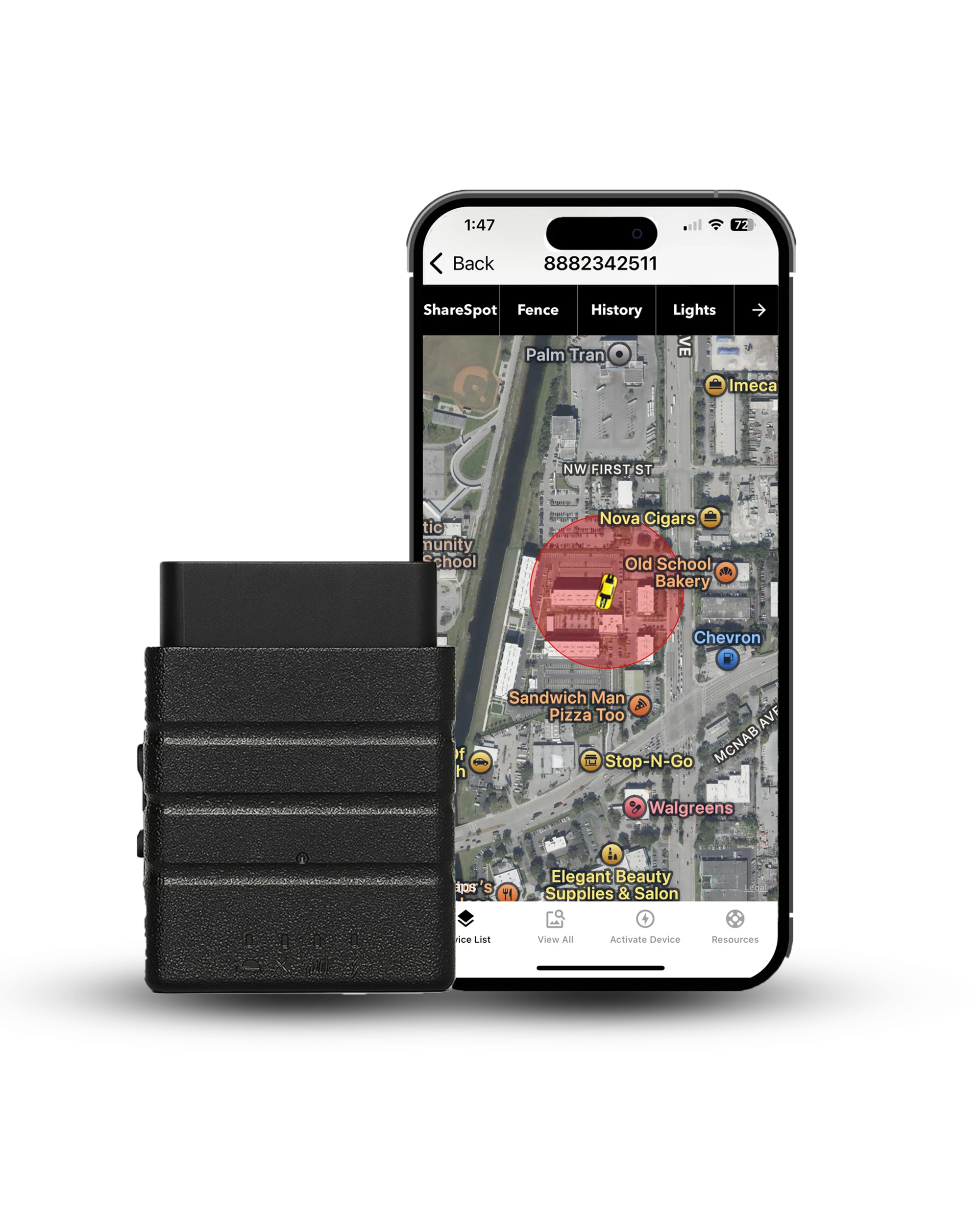
Ready to Stay Legal. Stay in Control.
Now that you know the laws, protect yourself with the safest option out there. The Konnect OBD2 GPS Tracker lets you track smarter — without risking fines or legal trouble.
About the Author

 Buy on Amazon