Does Aluminum Foil Block GPS Signal?
-
01
Aluminum foil may disrupt GPS signals but cannot block them consistently
-
02
Foil blocks signals temporarily but does not function like illegal jammers
-
03
GPS uses multiple satellites making full signal blocking unreliable
-
04
Signal loss is recorded and visible in tracking history logs
-
05
Trackers reconnect quickly once clear signal conditions return
Does Foil Block GPS? The Role of Aluminium Foil on Signal Blocking
Yes, aluminum foil can interfere with GPS tracking, but it does not reliably or permanently block GPS signals. I’ve tested this with car trackers and vehicle tracking devices, and while foil sometimes weakens radio signals, it fails as soon as there’s movement, a gap, or better satellite visibility.
“Does aluminum foil block GPS signals?”, question usually comes up when someone is trying to stop a tracker, avoid being monitored, or understand why a GPS device lost signal.
The problem is that most explanations online skip how GPS receivers actually behave in real-world conditions.
I’ll break down the science behind GPS tracking and signal blocking. You’ll also learn about what's really happening, when foil seems to work, why it usually doesn’t, and what actually blocks GPS tracking and everything without risking illegal signal jamming or bad assumptions.
 |
|
||||||||
 Buy on Amazon
 The Effectiveness of Aluminum Foil in Blocking GPS Signals

Aluminum foil can block GPS signals because it’s a conductive material, but it’s not 100% reliable.
When GPS signals hit metal like foil, they reflect away instead of passing through, making it harder for the GPS device to receive satellite data. This works because the foil acts like a mini Faraday cage, disrupting the electromagnetic waves that GPS relies on.
Foil interferes with GPS tracking, but it doesn’t form a complete barrier. Movement, vibration, or even slight repositioning can restore a connection to GPS satellites. The problem is consistency.
From what I’ve seen testing GPS trackers, this is what actually happens:
- A device wrapped in aluminum foil often loses signal indoors
- The same device reconnects once it’s outside or the foil shifts
- Small gaps or loose folds let radio signals pass through
Adding more layers can help for short periods, but the effect is temporary. Aluminum foil blocks signals passively, which means the GPS system keeps trying until it reconnects.
Once the tracker returns to open space, GPS receivers usually regain satellite visibility and tracking resumes.

How GPS Systems Work (And Why Blocking Is Hard)
GPS tracking works by receiving radio signals from GPS satellites and processing them inside a GPS receiver within the tracking device. Blocking GPS isn’t about stopping one signal. Signal blocking requires preventing enough satellite communication that the receiver can’t calculate a position.
GPS receivers use trilateration, measuring how long each satellite signal takes to arrive. Those timing differences allow the device to calculate location, speed, and altitude. Better satellite visibility improves accuracy and makes interference harder to maintain.
From real-world installs I’ve done on car trackers and fleet vehicles, these factors matter most:
- GPS signals are weak electromagnetic waves, but they come from multiple satellites at once
- GPS receivers calculate location using timing data from several satellites, not just one
- Most trackers rely on four or more satellites to maintain accurate positioning
- If even one usable signal gets through, the tracking system can often recover
This explains why GPS tracking devices often drops in underground garages or metal-heavy areas, then reconnects quickly once the vehicle moves. I’ve seen trackers regain a location fix within seconds after returning to open space.
Aluminum foil enters the discussion because it can interfere with radio signals. The issue is density and coverage. Thin or imperfect shielding doesn’t block enough satellite communication to keep a GPS device offline for long. In practical terms, blocking GPS tracking means cutting off satellite access consistently and that’s far more difficult than it sounds.
For fleet managers and parents, that reliability is exactly what makes an OBD2 GPS tracker worth the investment, the same satellite architecture that makes blocking difficult is what makes your tracking data consistent and trustworthy."
How Aluminum Foil Interferes With GPS Signals
Aluminum foil interferes with GPS signals because it’s a conductive material. When a GPS signal or an electromagnetic wave hits the foil, electrical currents move across the metal’s surface. Those currents reflect the signal away instead of letting it reach the GPS receiver.

From real testing, this is what actually determines the outcome:
1. A GPS signal reaches the metal: GPS signals are electromagnetic waves. When one hits aluminum foil, it interacts with the metal’s conductive surface.
2. The foil induces an electrical current: That incoming electromagnetic wave causes electrons in the foil to move, creating an electrical current across the metal.
3. An opposing electromagnetic field forms: The moving current generates its own electromagnetic field that opposes the incoming GPS signal.
4. The signal is reflected away: Instead of passing through to the GPS receiver, the signal is reflected outward, reducing or blocking reception.
5. The foil acts as a barrier: When the GPS device is fully enclosed, the foil limits radio signals from reaching the receiver.
6. This is known as signal shielding (Faraday cage effect): Wrapping a GPS device in aluminum foil creates a basic Faraday cage, disrupting GPS signal reception without actively transmitting interference.
7. Coverage determines effectiveness: Any gap, tear, or movement in the foil allows GPS signals to leak through, restoring tracking.
This is signal shielding, not signal jamming. Shielding stops GPS signals from reaching the device, while jamming actively interferes with GPS satellites, which aluminum foil doesn’t do.
Because foil is thin and flexible, it rarely stays sealed for long. Once coverage shifts or opens up, GPS tracking usually comes right back.

Faraday Cages: What They Are and Why Foil Gets Compared to Them
A Faraday cage is named after Michael Faraday, an English scientist who figured out in the 1830s that conductive materials can block electromagnetic fields. When an electromagnetic wave hits a conductive surface, the charge spreads across the outside instead of passing through. Anything inside stays shielded.
That principle is still used today. True Faraday cages show up in places where blocking radio signals really plays a key role:
- MRI rooms, where stray electromagnetic interference would ruin imaging
- Radio studios that need clean signals
- Military and scientific equipment testing
- Sensitive electronics that can’t tolerate interference
I’ve been inside a few of these rooms. They’re not subtle. Thick walls, sealed seams, no gaps anywhere. That is the key difference.
When people talk about aluminum foil blocking GPS tracking, they’re really talking about a very crude Faraday cage. But foil bends, tears, and shifts. One small opening, and GPS receivers start hearing satellites again.
So yes, foil acts like a Faraday cage in theory. In practice, it’s more like trying to soundproof a room with a blanket. You might reduce the noise, but don’t expect silence.
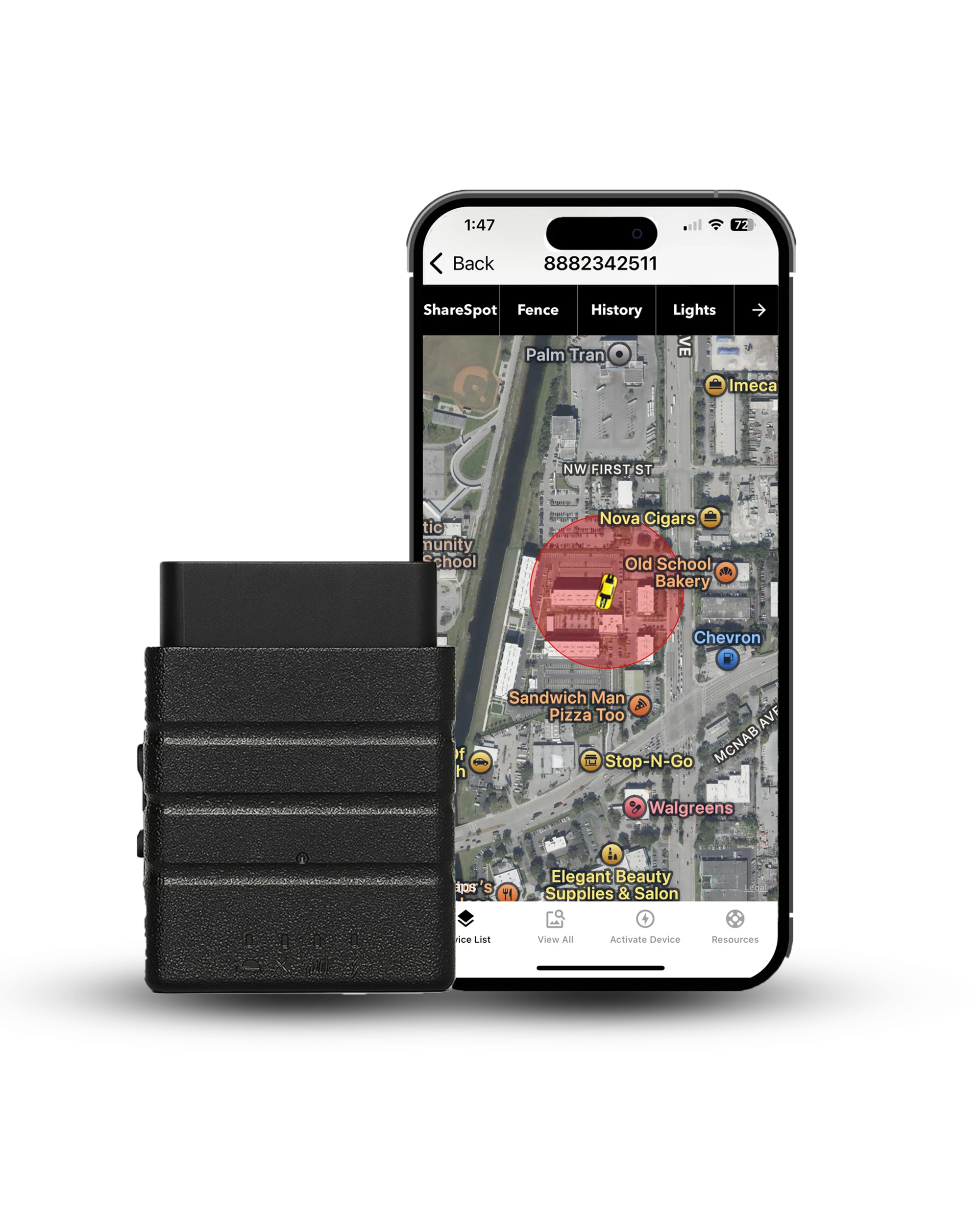
In real vehicle tracking, this means a driver wrapping a tracker in foil is more likely to create a suspicious gap in the route log than to actually go undetected, something fleet managers and parents can see clearly in the Konnect app's route history.
If you want a detailed technical breakdown, this explainer does a solid job: https://science.howstuffworks.com/faraday-cage.htm
If you actually need to block a GPS or cellular signal completely for legitimate privacy purposes like protecting a key fob from relay theft or securing sensitive electronics, a proper Faraday bag provides the sealed, gapless shielding that aluminum foil can't. These are the real-world version of what this article describes.
 |
|
||||||||
What GPS Signals Can and Can not Penetrate

GPS tracking works by sending radio signals from GPS satellites down to a GPS device, such as a phone or a car tracker. The GPS receiver inside the device measures how long each signal takes to arrive, then uses that timing to calculate location, speed, and altitude.
I’ve seen people assume GPS signals behave the same around everything. They don’t.
Some materials let radio signals pass through with little resistance, while others weaken or block them entirely. Signal frequency and material density determine whether a GPS device keeps a connection or drops offline.
Below is a practical breakdown of which materials GPS signals can penetrate and which ones tend to block or interfere with them.
|
GPS Signals Can Penetrate |
GPS Signals Can't Penetrate |
|
Glass and Plastic |
Thick walls or roofs made of concrete or metal |
|
Clouds, Fog, and Precipitation |
Deep Underwater Depths (Can work in shallow water) |
|
Thin Wood or Walls |
Dense forests or other foliage |
|
Human Tissue |
GPS jammers, which disrupt the radio signals between GPS satellites and the tracking device |
Whether GPS signals get through depends on signal frequency and material type. Because GPS uses radio signals, materials like plastic and glass allow them to pass with little resistance. Metals behave differently. They reflect or block signals, which keeps them from reaching the GPS device.
Aluminum foil sits in the middle. It can interfere with GPS tracking in some situations, but it’s inconsistent. Foil may weaken signals briefly, then fail once conditions change.
For OBD2 GPS trackers like Konnect, this means the tracker stays protected inside the vehicle cabin, away from the metal-heavy exterior where signal blocking is most likely, while still receiving strong satellite signals through the plastic dashboard above it.
Aluminum Foil vs GPS Jamming: Two Very Different Things

People often lump these together, but they work in completely different ways.
Aluminum foil is shielding. Aluminum shielding blocks GPS signals from reaching the device by acting as a physical barrier. Nothing is transmitted and disrupted. If the coverage breaks or the device moves, GPS tracking usually comes back.
GPS jamming is active interference. A jammer sends out radio noise to overpower signals from GPS satellites. Jamming doesn’t just affect one tracker, it can disrupt nearby GPS systems as well.
From what I’ve seen in the field, this difference matters for two reasons:
- Shielding causes temporary, localized signal loss
- Jamming creates widespread interference and serious safety risks
Aluminum foil can only interfere passively. GPS jammers and GPS blockers actively disrupt electromagnetic waves and using them is illegal. For OBD2 trackers specifically, the more practical concern isn't signal blocking, it's physical removal. An OBD2 port security lock prevents this by restricting access to the port entirely.
 |
|
||||||||
For a detailed breakdown of why GPS jamming is illegal, what penalties people have faced, and why the law treats it so seriously, see our full guide: How To Make A Homemade GPS Jammer.
Why GPS Jammers Are Illegal
GPS jammers are illegal because they disrupt critical navigation and communication systems, not just individual tracking devices. They interfere with GPS signals used by aviation, emergency services, and public infrastructure, creating serious safety risks.
Jamming GPS signals is illegal, creates serious safety risks, and can lead to heavy fines or criminal charges. I’ve seen firsthand how much damage GPS jammers can cause, and it goes well beyond one vehicle losing tracking.

“A New Jersey truck driver, Gary Bojczak, was fined nearly $32,000 after using a GPS jammer in his work truck. The device didn’t just block a tracker, it also interfered with nearby airport navigation systems, creating a serious safety risk for pilots and ground crews.
The Federal Communications Commission (FCC) tracked the interference, confiscated the jammer, and made it clear that GPS jamming can lead to criminal charges, not just fines.”
GPS jammers don’t affect only the person using them. They disrupt GPS systems around them, including emergency services, aviation, and infrastructure. This is why the law is strict.
If you suspect a GPS tracker has been placed on your vehicle without your permission, a RF signal detector or GPS bug scanner is a more reliable way to locate it than relying on signal blocking. These devices scan for active tracking frequencies and alert you to their presence.
 |
|
||||||||
Final Thoughts From the Field
After working with GPS tracking systems for more than 15 years, I’ll tell you this straight: aluminum foil isn’t a reliable way to block GPS tracking. Foil can interfere under the right conditions, but it doesn’t hold up once real-world factors come into play.
Foil bends and shifts. Gaps open up. And GPS receivers are built to keep trying.
I’ve watched trackers drop offline in garages, warehouses, and metal-heavy environments then reconnect almost immediately once the vehicle moves. That’s how GPS systems are designed to work.
The confusion usually comes from mixing up shielding and jamming. Shielding blocks signals temporarily if coverage is perfect. Jamming actively disrupts GPS systems and crosses into illegal territory fast. There’s a reason the law treats those two very differently. If your goal is understanding privacy, tracking behavior, or why a device lost signal, the science counts more than shortcuts.
Bottom line is aluminum foil may interfere for a moment, but it doesn’t defeat GPS tracking. In real-world conditions, consistency beats tricks every time and GPS systems are built with that in mind.
If you're looking for a GPS tracker that holds up in real-world conditions through signal gaps, tunnels, garages, and yes, even aluminum foil attempts, Konnect is built exactly for that.
|
|
||||||||
About the Author