
Empty Places To Practice Driving Near Me
-
01
Start practice in empty parking lots to build basic driving confidence
-
02
Night driving requires separate practice to adjust to low visibility
-
03
Gradual road progression builds skills from simple to complex environments
-
04
Driving on gravel teaches vehicle control and traction awareness
-
05
GPS tracking shows speed and location once solo driving begins
As an Amazon Associate, Konnect GPS earns from qualifying purchases.
As a parent, preparing your teenager to become a responsible and confident driver can be a source of anxiety. You understand the importance of teaching them the skills to navigate the roads safely, since even a single poor decision can have life-altering consequences. That is why finding suitable practice locations for your teen's driving sessions matters so much. Many parents start with a search for empty places to practice driving near me, but there is more available than empty parking lots. This article walks through different practice areas that help your teen gain experience, build skills, and develop the confidence to become a responsible driver.


$39.95 on sale, regularly $99.95
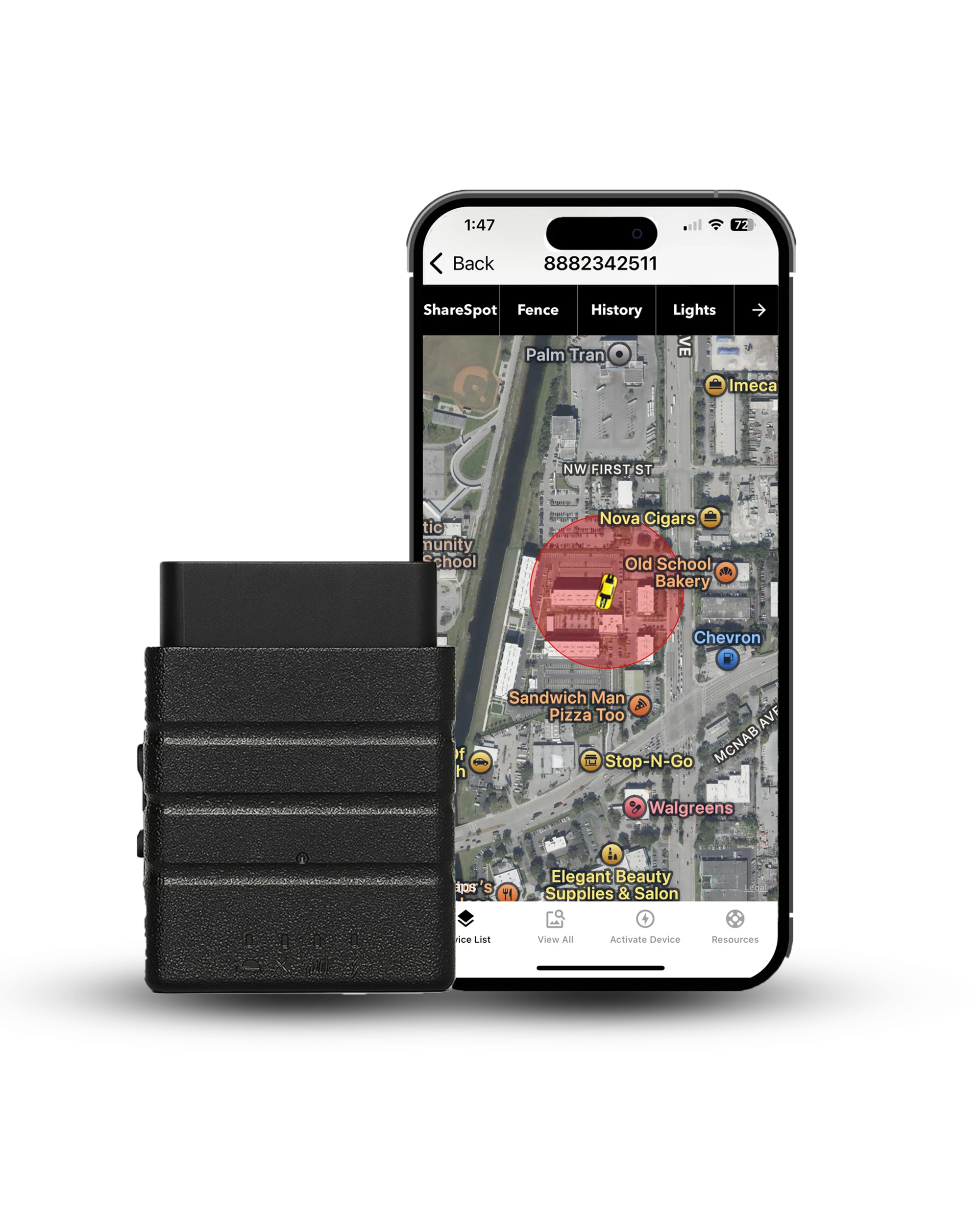
Plugs into any car's OBD2 port in 30 seconds. See your teen's speed, route and location every 3 seconds.
- Plugs in under 30 seconds
- 3-second live location updates
- Speed alerts
- Geofence boundary alerts
- No charging needed
- Works on any car with an OBD2 port
A note on the tracker before you read on: tell your teen it is there. A device found by accident reads as a trap, while one they know about becomes a shared agreement about speed and boundaries. If your teen is 18 or over, or the car is registered in their name, the rules change and their consent is the thing that matters rather than your preference.
Where Is The Best Place To Practice Driving
Why an empty lot or wide-open space helps teens learning to drive
Finding the right place makes all the difference, especially when a teen is just getting comfortable behind the wheel. Empty parking lots, like those at malls or grocery stores, are a strong choice for building early skills such as parking, reversing and paying attention to blind spots. These low-pressure spaces let your teen gain confidence without the stress of heavy traffic. There are more options than that, though. Here are six spots that help your teen feel at ease and get valuable practice.
- No traffic pressure while learning the basics
- Plenty of room to repeat turns and parking
- Easy to find near a mall or school
- Does not prepare them for real traffic
- No pedestrians or other cars to react to
- Skills can feel easy here and shaky on a street


An empty parking lot is one of the best places to start. With wide-open space and no traffic, your teen can get comfortable without feeling pressured by other vehicles. Try a large mall or high school lot during off-hours, where there is plenty of room to work on steering and get a real feel for the car's size.
Encourage them to use the parking lines as guides. Practicing against a fixed target builds confidence with the trickier maneuvers, and empty lots are just as good for mastering turns and getting a sense of distance and control. With no cars around, they can focus fully on the basics, like using the gas and brake pedals smoothly.
Regular practice here pays off. Each session strengthens the foundation, so moves like reversing and three-point turns start to feel natural. By the time they are ready for busier roads, the skills are already there.

One simple upgrade that makes parking lot practice more effective. These small convex mirrors attach to the existing side mirrors and give your teen a wider field of view while reversing and parking, cutting down on the blind-spot mistakes that trip up a lot of new drivers.
- Builds low-light confidence in a safe space
- Practice using headlights and reading signs in the dark
- Needs a well-lit lot to be safe
- Reduced visibility even in a controlled setting

Nighttime practice in an open parking lot helps your teen adjust to low-light conditions and build visibility skills. Shopping centers with well-lit parking areas work well, giving them a safe spot to learn how darker settings change what they can see.
Encourage them to test the headlights and watch how far the beams actually reach. They can also practice reading signs and spotting road markings under the lights, much as they would on a real street at night.
As night sessions add up, they get more relaxed and better prepared for driving after dark. This is a genuinely separate skill from daytime driving, not just the same skill in worse conditions.
See what other people had to say about practicing driving in open parking lots at night on Reddit.
- Real signs, crosswalks, and light traffic
- More realistic than an empty lot, less pressure than a city street
- Some campuses restrict outside vehicle access
- Best on weekends or holidays, less predictable otherwise

College campuses often have large, open areas with minimal traffic during weekends or holidays, which makes them a controlled environment with real road features. Start in the parking lots, which offer a variety of parking scenarios to master.
Move on to the campus roads, where your teen can practice turns and stops in peace. Here they encounter real-world signs without heavy traffic, and crosswalks give you a natural way to talk about pedestrian safety. Each session builds toward more complex driving environments.
- Builds speed-adjustment skills in a known area
- Gradual progression from residential to main roads
- More exposure to other traffic as speeds increase
- Needs closer supervision than a parking lot

Driving familiar roads with varying speed limits lets teens practice adjusting their speed and following different rules. Start with residential streets where limits are lower, which is where the point about children and pets lands hardest. As confidence builds, progress to suburban streets, where the slight increase asks them to adjust while still somewhere they know.
Then guide them onto main roads with higher limits. That variation is the whole point of the exercise, and the numbers say why it matters. NHTSA's National Traffic Speeds Survey III measured speeds at roughly 720 sites across the country in 2015 and found that 68 percent of traffic on limited access roads exceeded the posted limit, along with about 56 percent on arterials and 58 percent on collectors. Your teen will spend their driving life surrounded by people going faster than the sign says, so the habit of choosing their own speed has to be built deliberately.
Worried about speed once they drive solo? Konnect sends an alert the moment your teen exceeds a limit you set, so you know without having to ask.
See the Tracker- Realistic practice with pedestrians and other cars
- Good final step before busier roads
- Higher pressure than an empty lot
- Only attempt once the basics are solid

Busy parking lots develop the skills for navigating tight spaces alongside other vehicles and pedestrians. Popular shopping centers or entertainment venues give you the closest thing to a real-life scenario without leaving a lot.
- Teaches traction and vehicle control on different surfaces
- Builds skills for real-world conditions ahead of time
- Bumpy and less predictable than pavement
- Not every area has easy access to a safe unpaved road

Getting your teen used to different road surfaces makes a real difference to their confidence. Look for rural or quiet spots with unpaved roads, gravel driveways, or dirt paths where they can feel how the car handles when grip changes.
Start with a gravel road, since that loose surface is the clearest lesson in traction and why careful steering matters. Then move to a dirt road, where the bumps and uneven spots teach control on a less predictable surface. Explain how each type affects the car's grip and response, because that knowledge shows up later in rain and snow too.

To review your teen's actual driving after each session, pairing a GPS tracker with a dashcam gives you location data and video footage of how they handled speed changes, intersections and other drivers. When the GPS data and the video timestamps line up, you have the full picture of a drive rather than half of it.
Conclusion
Finding empty places to practice driving gives teens the chance to build confidence without the pressure of busy roads. Open parking lots, college campuses, quiet neighborhoods and rural backroads each teach something different, from parking and turns to adjusting speed and handling gravel.
The key is consistent practice and gradual progression as confidence improves. Parents carry a lot of that themselves by staying patient, offering guidance, and helping teens build safe habits early. Once solo driving begins, a GPS tracker adds reassurance by showing speed, routes and location in real time while still giving your teen the independence they want.
Check out a more comprehensive list of the best personal GPS trackers for cars
Parking lots are just the beginning
Once your teen hits real roads solo, Konnect gives you real-time location updates every 3 seconds, speed and geofence alerts, and full route history, all from your phone. Plug it in and start tracking, with no wiring or installation needed.
Get the Konnect Teen Driving MonitorAbout the Author

 Buy on Amazon