
Can A GPS Tracker Be Traced To Owner? | Real & Legal Steps
- 01Photograph the device in place before you touch it, because it may be evidence
- 02A serial number identifies the device, never the person behind it
- 03Manufacturers cannot release buyer details without legal authority
- 04Police can reach subscriber and billing records that you cannot
- 05Tracking someone without consent is a crime and should be reported
As an Amazon Associate, Konnect GPS earns from qualifying purchases.
Finding a GPS tracker on your own vehicle throws people off fast, and the question that follows is almost always the same: can a GPS tracker be traced back to whoever put it there?
I'm Ryan Horban, a GPS tracking expert with more than 15 years of hands-on experience working with tracking devices across fleets, recovery cases, and private vehicles. I've seen that exact moment of confusion play out more times than I can count.
"Who put this here? Why? And how do I find out without making it worse?"
I've watched people panic, rip the tracker off, and destroy the only evidence they had. I've also watched situations settle down quickly once the right steps happened in the right order. The difference is usually just understanding how this works in the real world.
Here is what this guide covers.


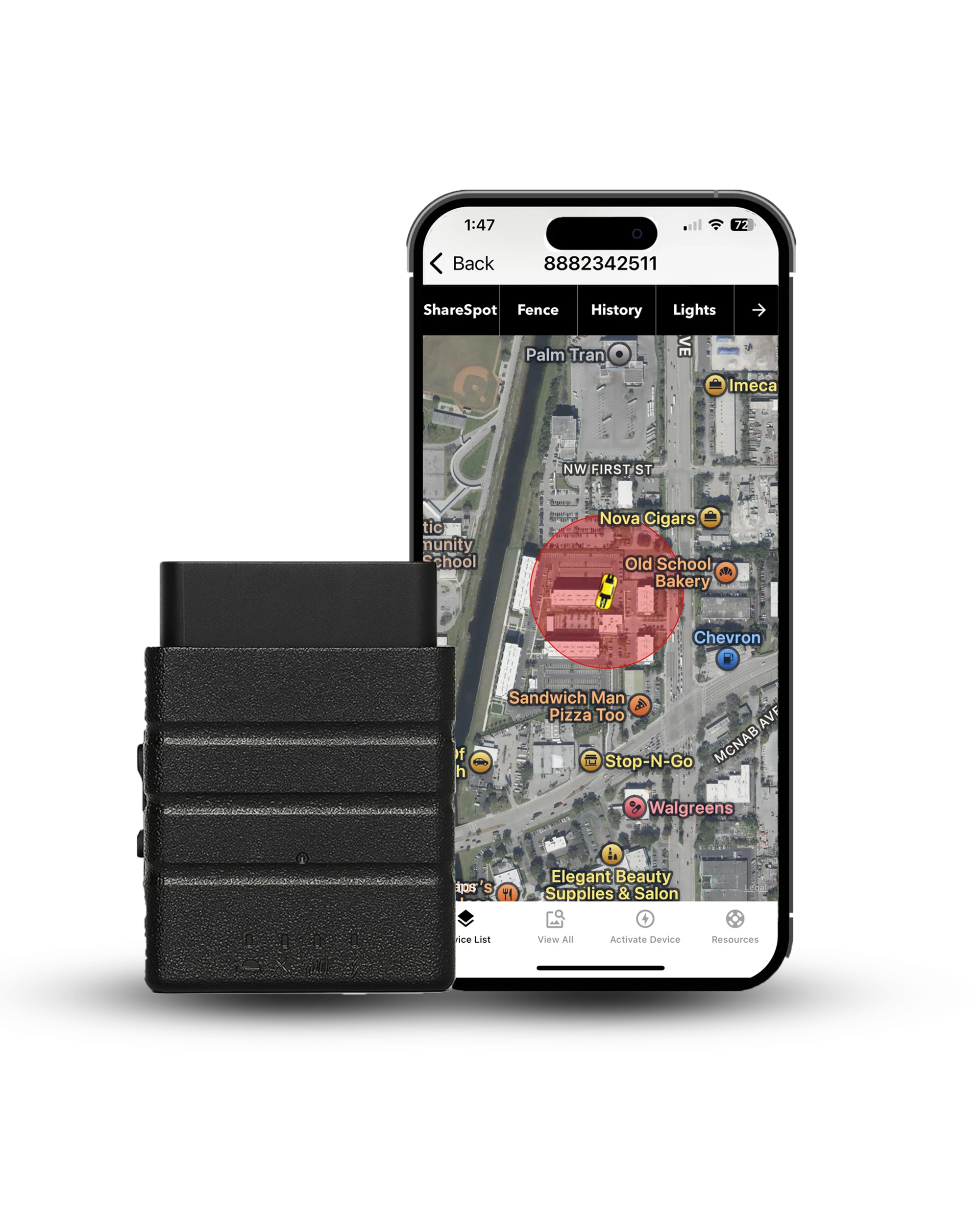
A device you install yourself, on a vehicle you own, with the account and the subscription in your name. Nothing hidden, and nobody left wondering whose it is.
- Under a minute to fit
- 3 second updates
- Geofence and speed alerts
- Tamper alerts
- 1 year trip history
- Lifetime warranty
What Determines Whether a GPS Tracker Can Be Traced?
A GPS tracker can usually be traced only if it is a real-time device with an active subscription and a registered account tied to payment records. Trackers with no live service or account data rarely lead back to a person.
Not all trackers work the same way, even when they look identical from the outside. Some send live location updates over cellular. Others transmit nothing at all and simply log data internally.
Only real-time devices leave a trail worth following, because no transmission means nothing to trace. If nobody is paying to keep the device online, there is usually no active account behind it, and no account usually means no usable records. Whoever pays for the service is the strongest link to a real person, and that link is exactly the one privacy law protects.
Here is the part that trips people up. Two trackers can look the same, be installed the same way, and be found in the same spot, and still lead to completely different outcomes. One has an active account and a payment trail. The other does not. From the outside they are twins. Behind the scenes they are not close.
Who Can Trace a GPS Tracker, and Who Cannot?
In most cases only the manufacturer or law enforcement can legally trace a GPS tracker to a person. Your role is identifying the device and starting the right process.

-
What you can do
Identify the tracker, document where and how it was found, and contact the company that manages the device. That is usually enough to confirm whether the tracker is real, active, and tied to an account.
-
What is off-limits
You cannot make a manufacturer tell you who bought or activated the device. They can often see activation status, account linkage and sometimes the reseller, but releasing personal details without legal authorization would put them in serious trouble.
-
What changes with police
Once law enforcement is involved the rules are different. Warrants and subpoenas reach subscriber data, billing information and account ownership. That is where real answers start appearing rather than guesses.
How Trackers Are Linked to Real People
This is the part most articles skip, and it is where expectations usually break. A typical real-time tracker is connected through a chain, and every link in it is a record held by somebody.
-
01Device
The hardware, carrying a serial and an FCC ID.
-
02SIM card
The cellular line that carries its position data.
-
03Account
The login the device reports into, held by the platform.
-
04Payment
The card paying for service, and the closest thing to a name.

Even with the tracker sitting on your kitchen table, holding it does not give you access to somebody else's account data. When law enforcement is involved, that changes: police can request subscriber records, billing details and account activity using legal authority. Without that step, manufacturers are limited, and most are careful to stay inside those limits.
What to Do If You Find a GPS Tracker on Your Car
Finding a tracker triggers confusion, anger and panic, sometimes all at once. Acting too fast is what usually makes things worse.
- Do not destroy it. The urge is real, but that device may be evidence, and a damaged one proves far less.
- Photograph it in place first. Wide shot showing where on the vehicle, then close-ups of every face of the device. Note the date and time you found it.
- Identify the type. Magnetic case, plug-in OBD unit, or hardwired. Each one says something different about how much access the person had to your vehicle.

- Do not confront anyone. Emotions take over fast, and confrontation escalates a situation that was already bad.
- Think before you remove it. Taking the device off signals to whoever placed it that you found it. If there is any history of harassment, that timing matters, so talk to police first.
- Trust your instincts. If something feels wrong, involve law enforcement sooner rather than later. You do not need proof to make a report.
If a tracker was placed without your consent, particularly by a current or former partner, do not handle this alone. Document what you found, leave the device where it is for now, and reach out for support before you decide what to do next. Removing it tells the other person you know, and that can escalate things.
National Domestic Violence Hotline: 1-800-799-7233, or thehotline.org
Stalking Prevention, Awareness, and Resource Center: stalkingawareness.org
4 Practical Steps to Find Out Who Put a Tracker on Your Car
I'll be straight with you before we start. These steps do not guarantee you a name. What they do is put you on the only path that ever works in real cases, and shortcuts almost always lead nowhere.

-
Check the device for a serial number or label
Once it is photographed in place, inspect every side of the device. Look for a serial number first, then note the model number, brand name or logo, and any FCC ID. Record each identifier exactly as it appears. The serial number is the most valuable detail because it allows the manufacturer to identify the specific tracker.
-
Use a visual search to identify the brand
Search Google Images or major online marketplaces using terms like "hidden GPS tracker" and compare the photos with the device you found. Identifying the brand helps determine which company manages the tracking service and whether the device typically requires an active subscription.
-
Contact the manufacturer or authorized seller
After identifying the brand, contact the manufacturer directly. Provide the serial number and explain that the tracker was discovered on your vehicle. While privacy laws usually prevent companies from revealing the owner's identity, they may confirm whether the tracker is active and explain what information law enforcement can request.
-
Report the tracker to law enforcement
If the device appears active or you suspect stalking, harassment, or criminal activity, file a police report immediately. With the serial number and manufacturer details, investigators can request subscriber information and other records that are not available to the public.

There is no public database where you can look up a GPS tracker owner. Ownership lives behind accounts, subscriptions and payment records, and those systems are protected on purpose. Following this sequence keeps you on the part of the problem that actually leads somewhere.
Tracking a vehicle you own is a different thing entirely. Konnect plugs into your own OBD2 port, on an account in your name, and reports every 3 seconds on a flat $8.95 per month.
Shop Konnect GPSWhen GPS Tracking Crosses the Line Into Illegal
Tracking usually becomes illegal when there is no consent, when the person placing the device does not own the vehicle, or when the intent shifts toward monitoring, control or harassment.
Employer and fleet tracking is generally lawful when it is disclosed and attached to company vehicles. Secretly tracking a partner, an ex, or any private individual often is not. Laws vary by state, but once intent is established, unauthorized tracking is taken seriously.
This article is general information from someone who works with these devices, not legal advice. I'm not an attorney. GPS tracking law varies by state and turns heavily on the specific facts, so if you are dealing with a real situation, speak with a lawyer or your local police department.
The people who get real answers are almost never the ones who moved fastest. They are the ones who photographed it where it sat, wrote down four fields off the label, and made one phone call in the right order.
What People Almost Always Get Wrong

-
"The serial number will give me a name."
Reality: a serial identifies the device, not the buyer. That is where the process starts, not where it ends.
-
"I can just look it up online."
Reality: there is no public database of tracker owners. Ownership sits behind protected account and billing systems.
-
"Removing it ends the situation."
Reality: it stops the tracking. That does nothing about the intent behind it, and it tells the other person you found it.
-
"There will be a dramatic reveal."
Reality: real cases are paperwork, waiting and process. Slower and quieter than television, and with far more limits.
Final Thoughts
Finding a tracker on your car shakes people, and that reaction is normal. The biggest mistake is rushing. Ripping the device off, confronting someone, or chasing answers online usually creates more problems than it solves.
The people who get real answers slow down, document what they found, and handle it legally. Photograph it in place. Write down the serial. Make the call. Escalate when the manufacturer hits its limit.
Unauthorized tracking is serious, and where a device was placed without your consent, involving law enforcement or a legal professional is the right move. Your safety comes first, ahead of getting a name.
Konnect plugs into your own vehicle's OBD2 port in under a minute, on an account in your name, and reports position every 3 seconds. No mystery device, and nobody left wondering who put it there.
About the Author

 Buy on Amazon